
Sleep Apnea and Zebpound, Insomnia, and Restless Legs with Dr. Usama
Curious how sleep and weight might be more connected than you think?
Not that long ago, when physicians said they specialized in obesity medicine, people often looked confused. Many didn’t realize obesity was considered a medical condition at all—let alone that treatments existed. The assumption was usually that weight came down to willpower. But (thankfully!) that understanding has shifted. Research has made it clear that obesity is a complex disease shaped by biology, environment, hormones, and metabolism. And as that awareness grows, the way we approach treatment is evolving too.
In this episode, Dr. Francavilla is joined by sleep medicine specialist Dr. Usama to talk about the connection between sleep, metabolic health, and obesity. Dr. Usama is triple board-certified in sleep and obesity medicine and practices in the Seattle area with MultiCare Health System. He also serves as an adjunct clinical assistant professor of medicine at A.T. Still University School of Osteopathic Medicine and as visiting foreign faculty at King Edward Medical University in Lahore. His work focuses on sleep apnea, obesity, and cardiometabolic health—areas that are deeply connected but often treated separately in healthcare.
During the conversation, Dr. Usama shares how he initially discovered sleep medicine almost by accident while training at Wayne State University School of Medicine. What caught his attention was how dramatically patients improved after their sleep problems were treated—blood pressure improved, blood sugar became easier to manage, and some even started losing weight. That experience led him to pursue a fellowship at Cleveland Clinic and eventually expand into obesity medicine as well. In this episode, we discuss how sleep apnea, weight, and metabolic health influence each other—and why newer treatments like Zepbound (tirzepatide) are starting to change the way these conditions are treated.
In this episode, we talk about how sleep, weight, and metabolic health are deeply connected—and why treating them together can make a real difference.
Why Zepbound May Help Sleep Apnea
Obstructive sleep apnea and obesity are closely linked, but weight is only part of the story. That’s why the American Academy of Sleep Medicine recommends talking about weight loss with every patient who has sleep apnea—but they also make it clear that weight loss alone isn’t considered a primary treatment. It’s more of an add-on.
So yes, losing weight can help improve sleep apnea, but it usually needs to be combined with first-line therapies like CPAP, a dental device/ mouth guard that supports the jaw, or a hypoglossal nerve stimulator that keeps the tongue in the correct place. And honestly, the reason is pretty straightforward. Even when people lose a lot of weight—whether through lifestyle changes or even bariatric surgery—sleep apnea often improves but doesn’t completely go away. Over time, structural changes in the airway and subtle cellular changes can develop that make the condition harder to fully reverse, which is why ongoing treatment still matters.
Research also shows that it’s actually easier to develop sleep apnea than to grow out of it. For example, gaining about 10% of body weight can worsen sleep apnea severity by roughly 32%, while losing that same 10% tends to improve it by closer to 26%. Which is helpful, of course—but not always enough to reverse the disease.
That’s part of why sleep specialists were really interested when Zepbound (tirzepatide) became available for people with obesity and sleep apnea. At first, there was some concern that patients might stop using treatments like CPAP once they started losing weight on medication. But interestingly, that’s not really what clinicians are seeing. In many cases, patients actually tolerate CPAP better while taking Zepbound. Weight loss can lower the pressure needed from the machine, and lower pressure usually means the therapy feels more comfortable—which can lead to better adherence and more consistent treatment.
Even with those improvements, one key point still matters: weight loss—whether it comes from medication, surgery, or lifestyle changes—shouldn’t be assumed to cure sleep apnea. A lot of people think their condition has resolved because they stop snoring. But studies show people often continue snoring at a lower intensity without realizing it. The only way to know if sleep apnea has truly improved is through repeat sleep testing.
That said, the results from Zepbound trials are pretty encouraging. After about a year of treatment, nearly half of participants with obesity and moderate-to-severe sleep apnea no longer met the criteria for disease! Weight loss clearly plays a role, but researchers think improvements in inflammation, metabolism, and airway dynamics may also contribute.
So the big takeaway is this: treating obesity can meaningfully improve sleep apnea—but it works best as part of a comprehensive plan that still includes proper therapy and follow-up care. Because, like, better sleep is great… but better sleep that’s actually monitored and treated properly is even better.
The Role of Zepbound in Treating Sleep Apnea
Medications like Zepbound are opening up some really interesting possibilities for people with Obstructive Sleep Apnea, especially those who also have obesity. Clinical trials show that many patients experience meaningful reductions in their apnea–hypopnea index (AHI), and in some cases their numbers even drop below the diagnostic threshold.
That said, it’s important to keep in mind that “resolution” doesn’t always mean the condition fully disappears. Sometimes it simply means an AHI between 5 and 14, as long as people no longer feel excessive daytime sleepiness. According to groups like the American Academy of Sleep Medicine and the American Heart Association, even mild sleep apnea in that range can still need attention—especially if someone also has conditions like high blood pressure. So while the results are exciting, it’s not quite as simple as saying sleep apnea is completely gone.
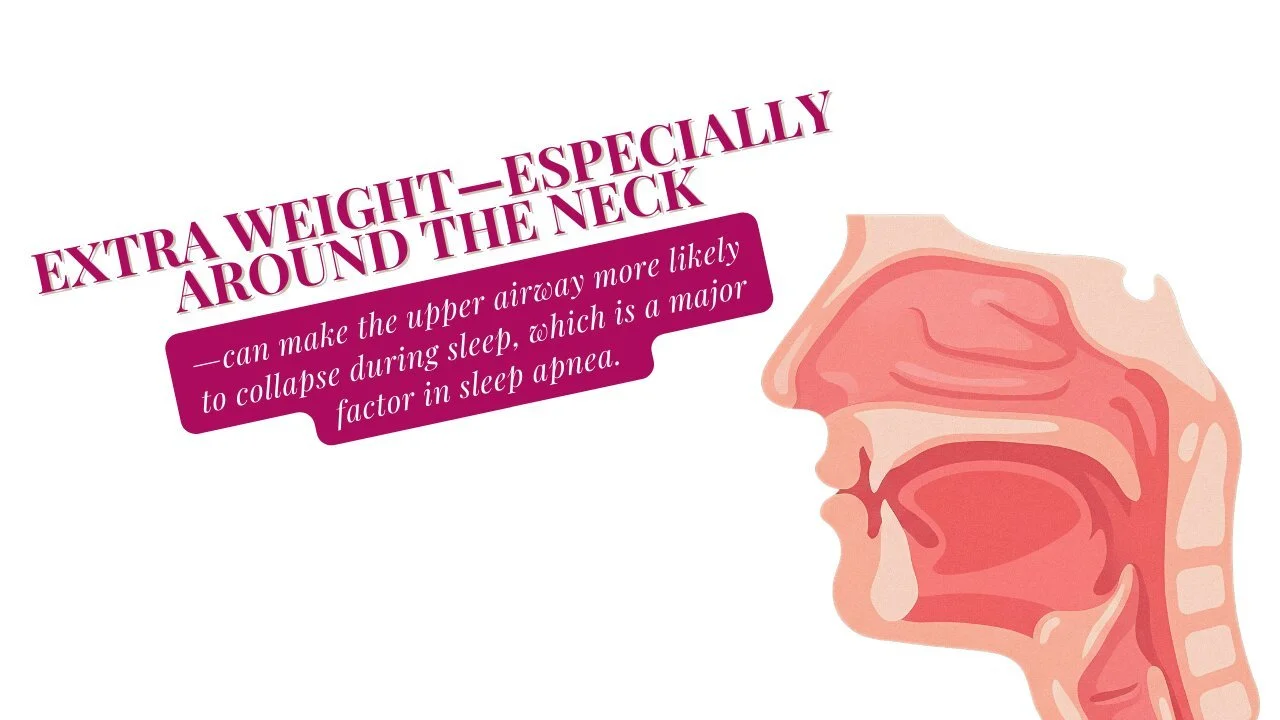
Yes, a big part of the improvement may come from weight loss. Extra weight—especially around the neck—can make the upper airway more likely to collapse during sleep, which is a major factor in sleep apnea. Losing weight reduces some of that pressure. But honestly, that’s probably not the whole story. Sleep apnea is influenced by several underlying mechanisms, sometimes called “endotypes,” like airway collapsibility, upper airway muscle activity, ventilatory control stability (often called loop gain), and arousal threshold—basically how easily sleep gets disrupted. Early research suggests Zepbound may affect some of these pathways directly, potentially helping stabilize breathing and the way the brain regulates respiration during sleep.
Another interesting observation is that some patients notice improvements in daytime sleepiness even before major weight loss happens. That hints at additional effects, such as changes in breathing centers in the brainstem, shifts in metabolic signaling through leptin, or reduced inflammation affecting the nervous system. Medications in this class can also influence reward pathways in the brain, which may explain why some studies report reduced cravings for things like alcohol or nicotine.
A lot of these mechanisms are still being studied, but the overall picture is pretty promising. And one key point still matters: sleep apnea can affect long-term health, so medications like Zepbound tend to work best alongside established therapies like CPAP—not as a replacement. With easier access to at-home sleep testing, more people can identify sleep apnea earlier and take action, which honestly makes this a pretty exciting time for sleep medicine and patient care.
Why Treating Sleep Apnea Matters
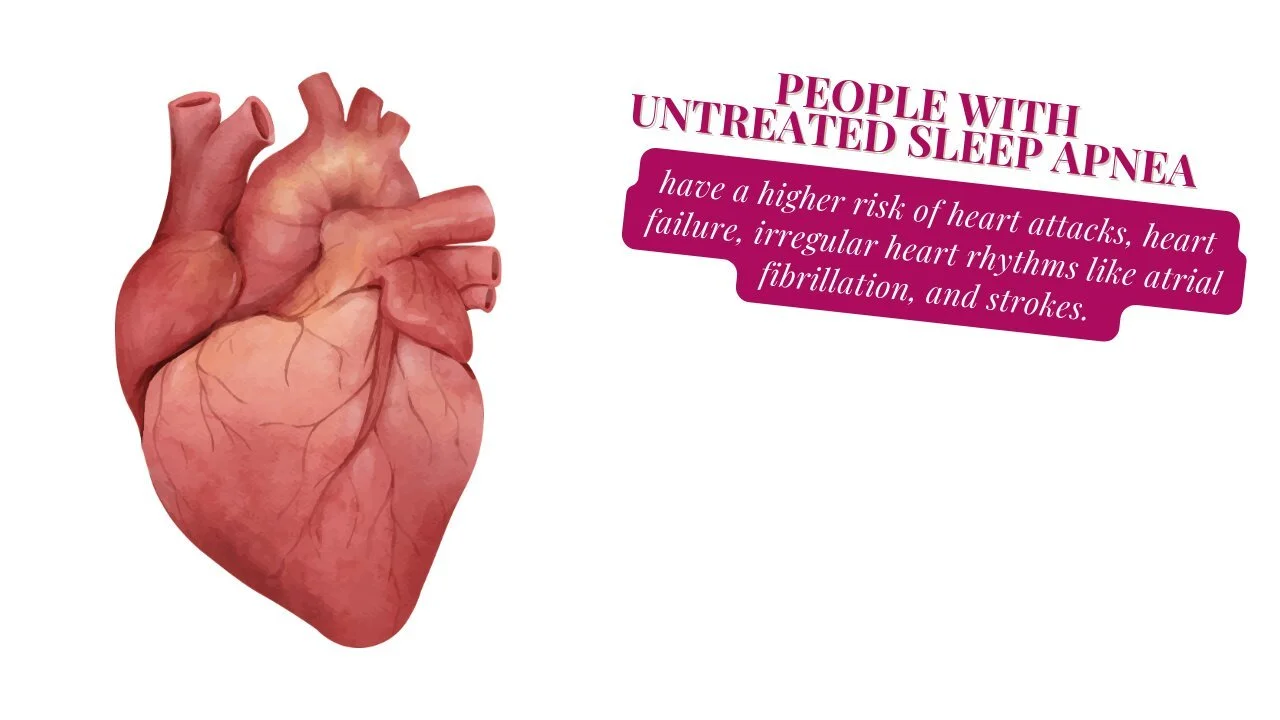
If you’re wondering why treating sleep apnea really matters, here’s the deal—it’s not just about feeling sleepy during the day or snoring loudly at night. Untreated sleep apnea can have some serious effects on your heart, brain, and overall health. People with untreated sleep apnea have a higher risk of heart attacks, heart failure, irregular heart rhythms like atrial fibrillation, and strokes. There’s also a strong link to cognitive decline, including dementia. On top of that, sleep apnea can make it way harder to manage weight, blood sugar, and blood pressure—even when you’re taking multiple medications.
That’s why getting treatment is so important. Tools like CPAP machines, mandibular advancement devices (dental devices), or medications like Zepbound aren’t just convenient—they’re preventative. They help reduce stress on your heart and brain, support metabolism, and improve the quality of your sleep. Better sleep, in turn, improves energy, focus, and even mood. Some studies even suggest that effective treatment may boost longevity, so it’s really about protecting both your present self and your long-term health.
Of course, the approach depends on how severe your sleep apnea is. For mild cases, treatment decisions can be a little more nuanced, especially if you’re not noticing major symptoms or don’t have other health issues. But for moderate-to-severe sleep apnea, experts strongly recommend treatment. Using the right combination of therapies can meaningfully lower health risks, stabilize other conditions like high blood pressure or diabetes, and help you feel more alert and energized every day. Bottom line: treating sleep apnea isn’t just about sleep—it’s about taking care of your whole body and your future self.
Sleep Isn’t Optional
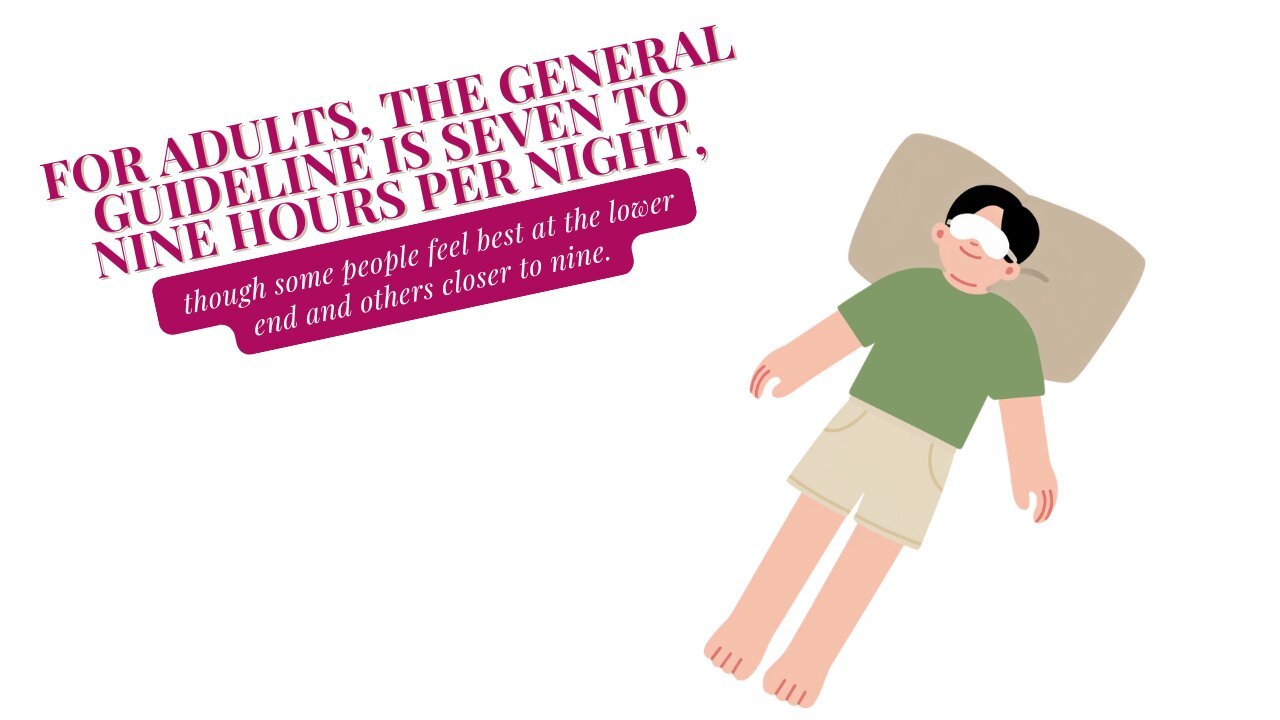
Sleep is one of those things everyone knows they need, but so many of us seriously underestimate just how important it really is. For adults, the general guideline is seven to nine hours per night, though some people feel best at the lower end and others closer to nine. The easiest way to figure out your sweet spot? Pay attention to how you feel—are you waking up refreshed and actually energized, or dragging through the morning? Sleep is not wasted time, even if hustle culture makes it feel that way. In reality, it’s arguably the most productive thing you can do. Your brain consolidates memories, your muscles repair themselves, and your metabolism resets while you snooze. So if you’re someone who’s constantly pushing yourself—physically or mentally—you actually need sleep more than most, because it literally powers your performance and keeps your body and mind running smoothly.
For a lot of people, the struggle isn’t understanding why sleep matters—it’s actually falling asleep. Sleep issues can come from a mix of causes, like untreated sleep apnea, restless legs, or one of dozens of other conditions. But in most cases, trouble falling or staying asleep is just insomnia—a hyperactive brain paired with bed, or performance anxiety around sleep. Over time, this can lead to what sleep specialists call “conditioned arousal,” where your brain starts associating your bed with stress, frustration, or wakefulness instead of rest. And yep, things that feel harmless—scrolling on your phone, watching TV, or even eating in bed—can actually make sleep worse, because they break that association between bed and calm, restorative sleep.
The really good news? Sleep is a learned behavior, which means insomnia can be treated. The first-line, evidence-based approach is cognitive behavioral therapy for insomnia, or CBT-I, which helps retrain your brain to see bed as a place for rest instead of worry. Sleep hygiene—like keeping a consistent schedule, limiting caffeine, or creating a calming bedtime environment—is helpful, but once insomnia is established, it usually isn’t enough on its own. For those ready to take action, working with a behavioral sleep specialist is ideal, but there are also excellent apps and books that teach CBT-I techniques at home. One standout resource is Say Goodnight to Insomnia by Harvard sleep psychologist Gregg Jacobs, which guides readers through practical, patient-friendly strategies to reclaim restful sleep without feeling overwhelmed. Basically, with the right approach, you can literally retrain your brain to sleep better—and finally get the restorative rest your body and brain desperately need.
Legs That Won’t Quit
Restless Leg Syndrome, or RLS, is one of those sleep disruptors that can sneak up on you and seriously mess with your nights—and honestly, your life—if it’s left untreated. It’s not just “I like tapping my foot.” To actually be diagnosed with RLS, there are four key criteria. First, you need some kind of uncomfortable sensation in your legs—think tingling, aching, or that weird “crawly” feeling. Second, that sensation has to bother you enough that you move your legs, like stretching, shaking, or pacing. Third, it mostly happens at night and while you’re sitting or lying down. And finally, moving your legs should provide at least temporary relief. So if you’re just tapping your foot absentmindedly, that’s not RLS—there’s a very specific pattern to watch for.
The root cause usually comes down to iron in the brain, not your blood. Low brain iron messes with the signaling that controls leg sensations, so doctors check ferritin and transferrin saturation levels. Interestingly, the standard “normal” lab ranges might not be high enough for RLS—ideally, ferritin should be above 75, with some studies suggesting a sweet spot between 100 and 300. Oral iron supplements are the first step, but many forms don’t cross the blood–brain barrier well. That’s why intravenous iron, especially ferric carboxymaltose (FCM), has the strongest evidence for improving symptoms, while other IV options like Venofer are okay but less studied.
If iron alone doesn’t do the trick, there are other treatment options. First-line medications include gabapentinoids, like gabapentin or pregabalin, which calm nerve activity. Dopamine agonists can work in the short term but are risky long-term because they can make symptoms worse over time—a phenomenon called augmentation—so most sleep specialists avoid them. For alternatives, newer tech like peroneal nerve stimulators (FDA-approved devices such as Nira) can help by stimulating leg nerves for about 30 minutes a day. In rare or severe cases, long-acting opioids may be used carefully. The bright side? With proper evaluation and the right combo of therapies, most people with RLS can finally get their legs to chill at night and reclaim restful sleep.
If these gave you new insights or made you rethink your approach to sleep, weight, or overall health, there are plenty of resources to help you take the next step. You can explore evidence-based guidance, practical tools, and expert programs on the website, which serves as a hub for ongoing education around metabolic health, better sleep, and sustainable habits that actually fit into real life.
You can also connect on social media for regular tips and strategies on managing sleep, restless legs, weight, and other health challenges in a way that’s realistic and manageable. The focus is always on clarity over fear, and progress over perfection—because small, consistent steps really do make a difference.
To learn more from Dr. Usama, be sure to follow him on LinkedIn and check out his writing on Substack, where he shares insights on sleep, obesity, and metabolic health.
If you found this episode helpful, share it with someone who might benefit and bookmark it for reference. Whether it’s improving sleep, tackling sleep apnea, or understanding restless leg syndrome, there’s more guidance and practical insights coming to support you in building a healthier, more energized, and balanced future!
More from The Dr. Francavilla Show:
Subscribe to The Dr. Francavilla Show on