
Should I take a GLP-1 with Danielle Marston, FNP
Should I take a GLP-1? Real Patient Scenarios and Expert Guidance
Ever wondered if a GLP-1 medication is right for you? With so many options out there—Wegovy, Zepbound, Ozempic, Mounjaro—it can feel totally overwhelming to figure out what fits your health goals. And honestly, it’s not just about weight. These medications can support heart health, liver function, sleep, and blood sugar control, but knowing who truly benefits takes expert guidance.
Today, I’m joined by Danielle Marston, or Dani, a board-certified nurse practitioner specializing in obesity medicine, weight loss, and nutrition counseling. Dani holds a certificate of advanced education in obesity medicine through the Obesity Medicine Association and provides comprehensive weight care at our clinic, Colorado Weight Care at Green Mountain Partners for Health. She’s here to break down GLP-1 medications, their benefits, and who they help the most.
From real patient scenarios to practical takeaways, Danielle shares how she navigates obesity care in a way that’s personalized, evidence-based, and approachable. Whether you’re curious about starting a GLP-1, exploring other treatments, or just trying to understand your options, this episode is your roadmap to making informed decisions and finding a path that actually works for your health and lifestyle.
The Expanding Role of GLP-1 Medications
GLP-1 medications are honestly for way more people than they used to be. The big names right now are Wegovy and Zepbound, which help with long-term weight management for people with obesity or those who are overweight with related health issues. Approvals used to be all about BMI, but now things like waist size and body composition are part of the picture, which just makes more sense.
And it’s not just about weight. Wegovy actually lowers your risk of heart problems by around 20 percent for those at higher risk, and it’s even approved for fatty liver disease regardless of weight!
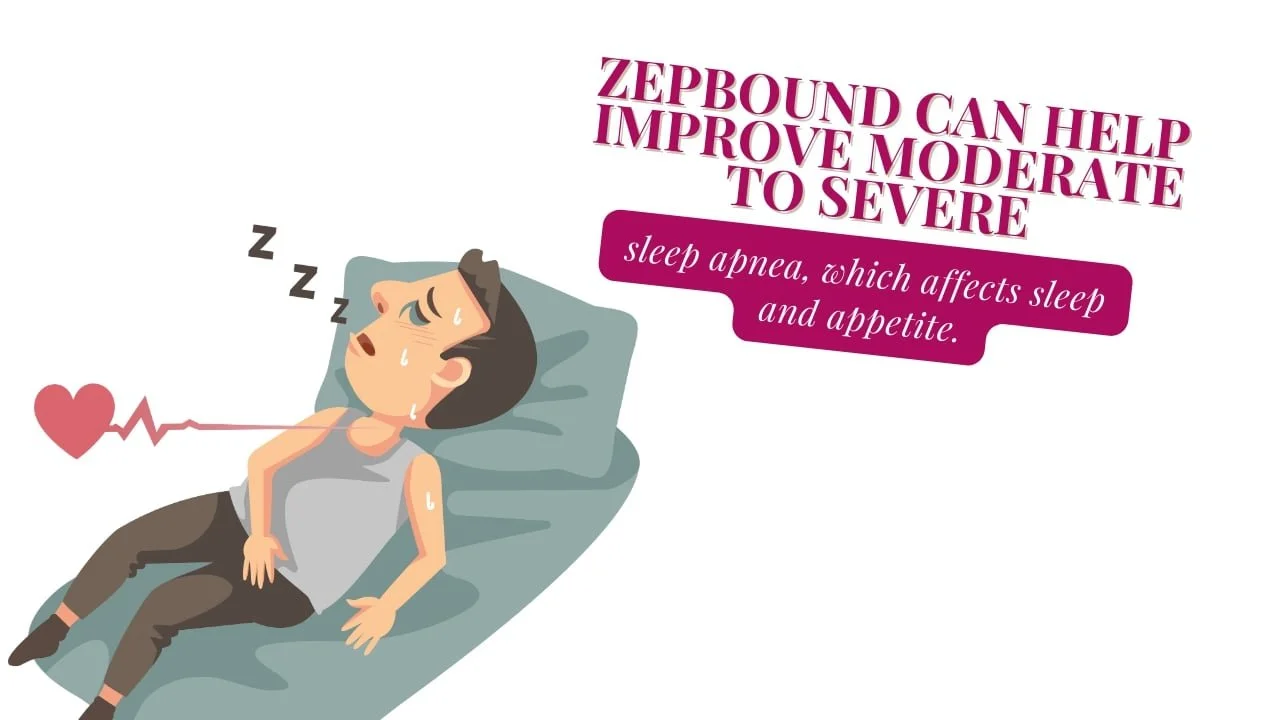
Zepbound is kinda awesome too—it helps with moderate to severe sleep apnea, which can totally mess with your sleep and cravings. For people with type 2 diabetes, Ozempic and Mounjaro tackle blood sugar and weight at the same time, which is why they’re such game-changers.
Older GLP-1 meds still have their place, but these newer ones really steal the spotlight. They’re about more than just weight—they support your heart, liver, sleep, and blood sugar, so there’s a lot to feel good about if you’re considering them.
When GLP-1s Aren’t the Only Answer
GLP-1 medications are definitely in the spotlight right now, but they’re not the only options for treating obesity and related health conditions. Anti-obesity medications actually have a long history, going back to the 1940s, and many of these older options still play an important role today.
Stimulant-based medications like phentermine, diethylpropion, and phendimetrazine have been around for decades and can be super helpful for people who need appetite suppression or an energy boost. Some of these also have off-label benefits for attention-related challenges or binge-eating tendencies. Combination medications like Contrave and Qsymia can also help, especially for those who feel like food is constantly on their mind. These options can make cravings more manageable and give people a sense of control over their eating habits.
Of course, medications are just one piece of the puzzle. Nutrition, movement, sleep, and behavior strategies are equally important for long-term success. For some individuals, bariatric surgery is also a valid and life-changing option. The key is having a plan that’s safe, realistic, and sustainable—whether it involves medication, surgery, lifestyle strategies, or a combination.
Imagine a woman in her early thirties with a BMI of 30, exploring her options for the first time. She wants to understand what treatments exist and what might actually fit her lifestyle. That’s why these conversations are so important—finding the right path for each person based on their unique goals and long-term health.

Real Patient Scenarios and Expert Guidance
Trying to understand what works for weight and metabolic health can feel totally overwhelming. There are so many options—from medications to lifestyle strategies to surgery—it’s easy to get lost in the details. But honestly, there’s no one-size-fits-all approach. Every patient has unique goals, health history, and circumstances, and a thoughtful healthcare provider will tailor a plan just for them.
Below, we break down real-life scenarios and how providers might respond, plus practical takeaways. Think of it as your roadmap to understanding options and finding a strategy that actually works for your life.
Patient Scenarios and Provider Guidance
Scenario 1: 65-year-old woman with BMI 28 and history of cardiovascular disease
She’s overweight but otherwise active. She has had multiple stents placed and is concerned about long-term heart risk. She wants to know if she should start a GLP-1.
Clinic Response: “You’re a great candidate for Wegovy. It’s shown to reduce heart risk by about 20% in people with existing heart disease, even if you’re already on cholesterol or blood pressure meds. We’ll monitor your progress and focus on overall health, not just the scale.”
GLP-1s can support heart health as well as weight—always look at the full picture.
Scenario 2: 40-year-old man with BMI 31, minimal activity, and moderate sleep apnea
He’s recently diagnosed with sleep apnea and hates the idea of using a CPAP. He doesn’t track his food much and struggles with energy, likely from poor sleep. He’s interested in weight loss to help his sleep and overall health.
Clinic Response: “Zepbound could help with both sleep apnea and weight. Improving sleep can boost energy and motivation, so lifestyle changes may feel easier. We’ll check in regularly to see how it’s working.”
Some medications target specific conditions, so treatment can improve multiple aspects of health at once.
Scenario 3: 70-year-old active woman with BMI 22 and controlled cholesterol
She’s very active, has always exercised, and has low visceral fat and excellent muscle mass. Her daughters are on GLP-1s, and she’s curious if she should try one too, especially for potential longevity or dementia prevention.
Clinic Response: “You’re doing fantastic—BMI, muscle mass, visceral fat are all great. GLP-1 isn’t necessary here. Let’s just keep supporting your habits and check in regularly.”
Not everyone needs medication—sometimes reassurance and continued healthy habits are the best approach.
Scenario 4: 45-year-old woman with BMI 40, long-standing type 2 diabetes, and foot complications
She hasn’t sought care for years and is experiencing neuropathy, multiple infections, and foot surgeries. She’s not on any medications yet and is looking for a way to improve her blood sugar and overall health.
Clinic Response: “Starting Mounjaro or Ozempic can help manage your blood sugar and support weight. We’ll track progress carefully, and later we can discuss surgery if needed.”
Blood sugar improvement is key, even if weight loss is slower. Medications can prevent complications.
Scenario 5: 72-year-old man with BMI in the 40s, multiple metabolic issues
He hasn’t seen a doctor in years. Lab work shows pre-diabetes, sleep apnea, hypertension, liver fibrosis, and arthritis. He feels unwell and wants guidance on managing his health and weight.
Clinic Response: “A GLP-1 like Wegovy or Zepbound could help with weight, blood sugar, liver, and sleep apnea. Surgery is another option, but we’ll start with what fits your goals and lifestyle.”
Obesity care is holistic. Medications can address multiple issues, and a combined approach is often best.
Navigating weight and metabolic health can feel overwhelming, but you don’t have to figure it out alone. Whether you’re considering a GLP-1, exploring other medications, or weighing surgery and lifestyle strategies, the key is finding a plan that fits your unique goals and health history.
If any of these patient scenarios resonated with you, remember: there’s no one-size-fits-all approach. Having a thoughtful, personalized conversation with a qualified healthcare provider—like Dani at our clinic—can help you understand your options, make informed decisions, and set a realistic path forward.
Your health is more than a number on the scale. With the right support, you can improve blood sugar, sleep, heart health, and overall well-being—sometimes all at once.
For the full discussion and deeper insights from Dani on GLP-1s, head over to the episode and hear everything she shares about how these medications work and who can benefit the most.
More from The Dr. Francavilla Show:
Subscribe to The Dr. Francavilla Show on