
Heart Health, Cholesterol, Statins, and GLPs with Dr. Alo
How much does your weight really affect your heart?
For decades, cardiologists have seen how carrying excess weight increases the risk of diabetes, hypertension, inflammation, and high cholesterol—the key drivers of heart disease. While losing weight can help, keeping it off has always been the real struggle, with most people regaining what they lost within a few years.
Joining us in this episode is Dr. Alo, often called “America’s cardiologist.” With decades of experience in cardiology and a license to practice in five states, Dr. Alo is a leading voice in obesity medicine and heart health. He has seen firsthand how modern strategies, including GLP-1 medications and structured lifestyle interventions, can shift the story for patients struggling with weight and cardiovascular risk. His perspective highlights how addressing obesity is now central to long-term heart protection.
Curious to learn more about how weight loss, heart health, statins, alternative cholesterol medications, plaque stabilization, and phentermine all play a role in protecting your heart? Keep reading to dive deeper into these topics and discover practical strategies to reduce your cardiovascular risk and improve long-term wellness.
The Connection Between Weight, GLP-1s, and a Healthier Heart
Heart health sits at the center of almost every conversation about long-term wellness, and it’s so closely tied to one major factor so many people struggle with: weight. For decades, cardiologists have seen how excess weight raises the risk of diabetes, hypertension, inflammation, and high cholesterol—basically all the things that push heart disease forward. And yes, weight loss can help, but the more significant concern has always been keeping it off. Many people lose weight at some point, but unfortunately most will gain it back within only a few years (or sooner). That cycle has kept obesity as one of the most stubborn risk factors in the world of cardiology.
GLP-1 medications have kind of changed that story in a big way. These treatments don’t just support real weight loss—they help people actually maintain it long-term, which older meds and lifestyle changes alone rarely did. Cardiologists now see GLP-1s as really powerful tools for lowering overall cardiac risk because they hit several areas at once: reducing weight, improving glucose control, lowering inflammation, and helping patients stay consistent with healthier habits. Another exciting piece is that people are much more open to weekly shots now, and with new oral options coming, access is about to get even easier.
What’s especially encouraging is that long-term data—from older meds like Exenatide and Victoza to today’s semaglutide—shows that even low or occasional doses can help people sustain weight loss for years. And that stability is huge for heart health. When weight comes down and stays down, blood pressure improves, cholesterol moves in the right direction, and the heart just has less strain overall. Cardiologists have spent decades adjusting every possible risk factor—smoking, activity, blood sugar, cholesterol—but obesity was always the hardest one to consistently change. GLP-1s are finally filling that gap.
With better tools for weight management and ongoing progress in diabetes, hypertension, and lipid care, the future of heart health is honestly looking brighter than ever. The goal isn’t just a longer life—it’s a healthier one, where people stay active, functional, and independent well into older age. GLP-1 medications are becoming a real part of that shift, giving patients a stronger chance to protect their heart for the long term.
Understanding the Real Benefits of Weight Loss for Your Heart
Understanding how weight loss affects heart health can feel so confusing sometimes, especially when trying to figure out how much weight actually makes a difference. The truth is, it’s not as simple as “lose weight, lower cholesterol.”
Weight loss alone doesn’t automatically make LDL cholesterol drop, especially if someone is already eating a pretty balanced, moderate-saturated-fat diet. But if weight gain happened because of, let’s say, a lot of fried foods, bacon, butter, or heavy fast food—then eating fewer calories naturally means cutting back on those too. And in that case, cholesterol can go down mainly because saturated fat goes down, not just because of the weight loss itself.
Where weight loss really shines is in improving the other major drivers of heart disease. As weight comes down, inflammation markers—like CRP and interleukins—tend to fall a lot. People with higher body weight usually have higher inflammation, and lowering that inflammation genuinely helps long-term heart health. Weight loss also improves blood pressure, insulin resistance, and overall metabolic function. Even small changes can make daily movement easier, boost exercise tolerance, and naturally improve fitness markers like VO₂ max and functional capacity.
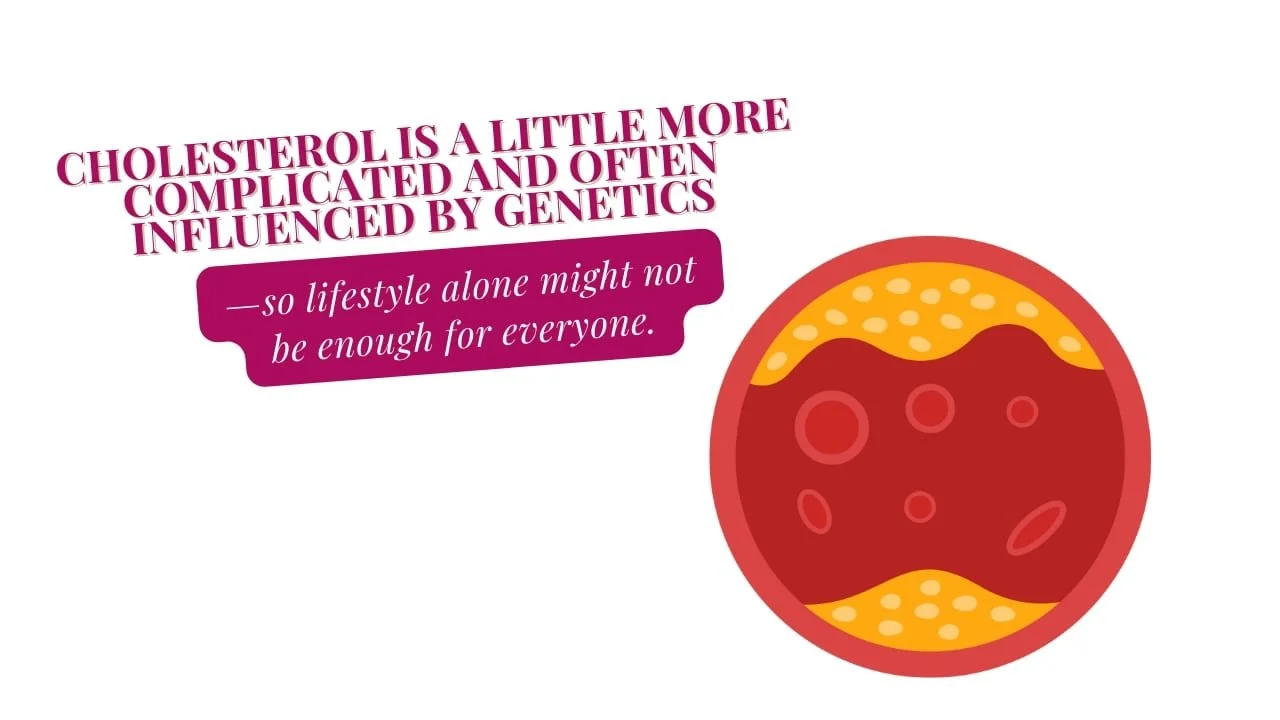
So how much weight should someone actually aim to lose for better heart health? There isn’t one magic number, but even a modest drop can help improve inflammation, blood pressure, and insulin sensitivity. Cholesterol is a little more complicated and often influenced by genetics—so lifestyle alone might not be enough for everyone. A mix of healthier eating patterns, lower saturated fat, more movement, and medical support when needed is usually the most effective path. Bottom line: weight loss comes with plenty of cardiovascular benefits, even if cholesterol doesn’t dramatically shift on its own.
Why Lowering LDL Is Key to Preventing Heart Attacks
There’s this really common idea that inflammation is the real cause of heart disease, especially when someone has a heart attack even though their cholesterol looks “normal.” But inflammation by itself doesn’t actually create plaque. Medications that only lower inflammation—even really strong ones like steroids, NSAIDs, or biologics—haven’t improved heart outcomes when lipids aren’t addressed.
What actually drives plaque formation is LDL cholesterol. And just to make it super clear: LDL is the type of cholesterol that carries fat from the liver into the bloodstream. When there’s too much of it, those particles can slip into the artery walls and start building plaque. That’s why LDL is often called the “bad” cholesterol—not because it’s evil, but because high levels make it way easier for plaque to form.
Without elevated LDL, plaque just… can’t form. People born with super low LDL—like levels of 5 to 15 their entire lives—almost never develop heart disease, even if their inflammation goes up for other reasons.
This is why lowering LDL is still the most reliable, well-proven way to reduce cardiovascular risk. Research shows that plaque starts forming when LDL goes above roughly 55–60 mg/dL. So a lot of people who think their cholesterol is “normal”—like an LDL of 90 or 100—are still at levels where plaque can slowly build over time. Genetics are a huge part of this. Some people with high LDL from birth can have heart attacks in childhood, even without inflammation or any lifestyle issues at all. Meanwhile, someone with naturally low LDL is basically protected from heart disease regardless of inflammation, weight, or any other factor.
A big reason people hesitate about statins is the feeling that lowering LDL targets is just some push to “put everyone on medication.” But that’s not what the guidelines actually say. They don’t recommend statins for everyone—they just reflect decades of evidence showing that lower LDL equals lower heart risk.
The real goal isn’t to medicate everyone; it’s to get people to LDL levels that our bodies are naturally designed for. When LDL is controlled, cardiovascular risk drops dramatically—and that remains one of the strongest tools we have for preventing heart disease.
Statins Explained: Benefits, Safety, and Heart Protection
Statins are honestly some of the most studied medications in modern medicine, and even with all the dramatic pushback you see on social media, the actual data totally supports their safety and effectiveness. They’ve been around since 1987, and the first ones—like lovastatin and pravastatin—were literally derived from mold and yeast before being refined into the super controlled, pharmaceutical-grade meds we use now. Over time, newer statins like atorvastatin and rosuvastatin have become more potent, better tolerated, and overall safer, with fewer interactions and side effects. And those scary “muscle side effects” people love to talk about? True cases are so rare—less than 0.3%. Most of the aches people blame on statins turn out to be perception, not the medication.
One of the biggest fears patients bring up is brain health. But huge studies—looking at millions of people followed for decades—show that statins don’t harm cognition at all. If anything, they’re linked to lower risks of Alzheimer’s, dementia, Parkinson’s, and even multiple sclerosis. Some researchers even think statins have protective effects against certain cancers. So they’re not just “cholesterol meds”—they actually support long-term health in ways most people don’t realize.
And despite everything that trends online, statins are still incredibly effective at lowering cardiovascular risk. The whole idea that doctors push them for profit doesn’t really make sense—most statins are generic, super affordable, and doctors don’t get financial incentives for prescribing them. For people with high cholesterol or other heart-related risks, statins are proven, safe, and honestly life-saving. Supplements and “natural alternatives” might sound appealing, but none of them come close to the decades of evidence showing that statins reduce heart attacks, strokes, and serious complications.
Used the right way, statins are still one of the most reliable tools we have for protecting both heart health and overall long-term wellness.
Exploring Alternative Cholesterol Medications
While statins are still the main go-to for lowering cholesterol, not everyone can take them comfortably. For people who experience side effects or just don’t tolerate them well, there are other medications that can lower LDL cholesterol safely and effectively.
One option is Ezetimibe (Zetia). In simple terms, it works in the intestines and blocks your body from absorbing too much cholesterol—mostly the cholesterol your body makes on its own, not the cholesterol from food. This helps prevent extra cholesterol from ending up in the arteries, where it can form plaque.
Another option is PCSK9 inhibitors. These medications help the liver pull more LDL out of the bloodstream, like turning up a vacuum cleaner. They’re usually given as injections—either twice a month or, for some versions, just twice a year. When paired with other medications, they can lower LDL by a lot, even more than most statins.
There’s also Bempedoic acid, which works in the liver to slow down cholesterol production. It usually lowers LDL by about 15–25%. It’s not as strong as statins or PCSK9 inhibitors, but it can be really helpful for people who can’t tolerate stronger options, or it can be combined with them for extra lowering power.
By mixing and matching these treatments—statins, Ezetimibe, PCSK9 inhibitors, or Bempedoic acid—patients can lower LDL levels by up to 95%, which offers major protection against heart disease. Checking markers like ApoB can also give a clearer picture of risk, especially when LDL levels get very low.
For people who struggle with statin side effects, there are also practical ways to make them easier to tolerate. Trying a different statin, lowering the dose, or taking a long-acting statin only once or twice a week can reduce muscle aches while still keeping cholesterol controlled. Combining a low-dose or one-a-week statin with Ezetimibe is another effective strategy and often avoids the need for additional injections.
With the right combination and a personalized approach, most patients can lower their LDL safely, comfortably, and without giving up on effective treatment.
Plaque Stabilization and Modern Lipid-Lowering Therapies
Plaque stabilization is basically a way of making existing artery buildup safer, especially for people who already have some level of atherosclerosis. In the past, medications like statins were mainly used to keep plaque from getting worse. Plaque usually has this thin “cap” on top of it, and if that cap breaks open, it can trigger a heart attack. By lowering LDL cholesterol, statins help make that cap thicker and more stable—kind of like reinforcing a weak spot—so it’s less likely to rupture. This has always been one of the major benefits of statins, and it’s still super important today.
But newer treatments, especially PCSK9 inhibitors like Repatha, have pushed things even further. These medications can lower LDL to extremely low levels—sometimes even down into single digits. And the cool part? Studies show that when LDL gets that low, you don’t just stabilize plaque… you can actually make it shrink. This happens more noticeably with fresher plaques—the ones that formed in the last few months—because they’re softer and more responsive to treatment. Older plaque can still shrink too, just not as dramatically, but even small changes can lower the chance of heart attacks.
How much plaque can shrink really depends on two things: how early treatment starts and how low LDL is brought down. Starting sooner gives the medication more to work with, and aiming for very low LDL levels helps both stabilize plaque and reverse some of it. Even though completely erasing old plaque isn’t realistic yet, modern therapies show that we can slow heart disease—and even partially undo it. It’s a huge reminder of why staying on top of cholesterol and lipid levels is honestly such a powerful step for long-term heart health.
GLP-1s and Cardiovascular Benefits
GLP-1 medications, like semaglutide (Wegovy), are mostly famous for helping people lose weight—but honestly, their benefits go way beyond just the scale. Clinical trials, like the SELECT trial, actually show that semaglutide can cut the risk of major heart problems by around 20%, even for people who don’t have diabetes or don’t lose a ton of weight. Basically, these medications do more than help you slim down—they directly protect your heart. This may happen because they reduce inflammation and improve how blood vessels work, which helps keep the heart safe even if your weight doesn’t change much.
Here’s the really interesting part: studies have found that even patients who didn’t lose weight still got heart benefits. That’s a big deal because it proves GLP-1s aren’t just a “weight-loss drug”—they’re actually heart-protective. Older GLP-1s, like liraglutide (Victoza), also help the heart too, at around the 14–18% range.
What this means for patients is pretty clear: GLP-1s aren’t just for losing pounds—they’re also a smart option for protecting the heart, especially if someone is at higher risk for heart disease. So whether the goal is weight loss or just keeping things steady, GLP-1 therapy can play a real role in lowering heart risk and supporting long-term health.
Phentermine and Heart Health: What You Need to Know
Phentermine has actually been part of obesity medicine way before GLP-1 medications even entered the scene. And yes—people still get a little nervous about it because of its past. The concern mainly comes from the old combo of phentermine–fenfluramine from the ’80s and ’90s that caused heart valve problems. But here’s the thing: fenfluramine was the issue, and it’s been off the market for decades. Phentermine by itself is a totally different story and is generally well-tolerated, especially when patients are properly monitored.
Phentermine works like a mild stimulant—think a stronger version of coffee, not something super dramatic. Some people feel a tiny bump in heart rate or extra energy at first, but that usually settles down after a few days. The more common side effects? Dry mouth and trouble sleeping… very glamorous, I know. For people with known heart conditions, doctors simply keep a closer eye on things. But many cardiologists are comfortable using phentermine as long as it’s paired with healthy lifestyle changes.
One big perk? It’s super accessible and affordable. Like, a few dollars a month kind of affordable. And for some people dealing with low energy—whether from excess weight, low testosterone, or just feeling blah—phentermine can give a nice little boost that helps them stay consistent with habits. Timing and dose tweaks usually smooth out any minor side effects.
So overall, here’s the takeaway:
Phentermine is safe and effective when used correctly. GLP-1s bring an extra layer of heart protection that phentermine doesn’t provide. Both have their place—just very different strengths.
Exercise and Heart Health
While medications like GLP-1s provide important support, exercise remains a cornerstone of cardiovascular health. Any physical activity is better than none—whether it’s walking around the neighborhood, using bodyweight exercises at home, or moving throughout daily life. The key is consistency, as even small amounts of movement can improve heart health, reduce mortality risk, and enhance overall well-being.
Recent recommendations from the American Heart Association and American College of Cardiology now emphasize the benefits of combining cardiovascular exercise with resistance training. Aerobic activities like running, swimming, or cycling improve cardiovascular function, while weightlifting and resistance exercises enhance insulin sensitivity, muscle mass, and functional strength. The combination supports better blood pressure, metabolic health, and long-term mobility, providing both heart and overall health benefits.
For beginners or those hesitant about the gym, simple home-based routines using light weights or resistance bands can be highly effective. Even gentle movements for older adults, such as bending, lifting, or walking, offer measurable benefits. By integrating both cardiovascular and resistance training, individuals can maximize their heart health, maintain mobility, and enjoy improved physical and mental well-being—making exercise a crucial complement to any medical therapy, including GLP-1s.
Ultimately, protecting your heart isn’t about a single solution—it’s about combining the right strategies. From weight management and GLP-1 medications to exercise, statins, alternative cholesterol therapies, plaque stabilization, and even phentermine when appropriate, each tool plays a role in reducing cardiovascular risk. The insights shared by Dr. Alo show that thoughtful, personalized approaches can make a real difference, helping people not only live longer but maintain strength, mobility, and independence as they age. To learn more and hear the full conversation, listen to the episode in its entirety.
More from The Dr. Francavilla Show:
Subscribe to The Dr. Francavilla Show on