
Postpartum weight loss including Wegovy and Zepbound with Danielle Marston, FNP
Ever wonder why postpartum weight loss can feel so unpredictable—and what’s actually considered normal?
It’s a question so many new moms have, and this week, we’re unpacking everything you need to know about weight, metabolism, and overall health after pregnancy.
I’m joined by Dani Marston, a family nurse practitioner and one of our obesity experts, who’s also training to become a certified lactation counselor. Dani is deeply passionate about supporting postpartum women—especially those who are breastfeeding—a group that’s often overlooked when it comes to guidance on weight, nutrition, and recovery.
Together, we’ll explore what to realistically expect with postpartum weight changes, how hormonal shifts can affect appetite and metabolism, safe ways to support weight management, and practical strategies to help new moms thrive during this intense and transformative period. Whether you’re navigating your first postpartum experience or looking for better ways to support your health after baby, this episode is packed with insights and tips you won’t want to miss.
Closing the Postpartum Support Gap
For a long time, postpartum women have been overlooked when it comes to weight and metabolic health. Often, the message was, “You’ll be fine in a year,” or “This will sort itself out.” But in reality, many women were left without support during one of the most physically and emotionally demanding periods of their lives.
This gap is especially concerning because postpartum isn’t a short phase—some women experience extended recovery, multiple pregnancies, or long periods without structured guidance. Without proper support, a decade or more can pass without help for weight, metabolic health, or related concerns. That’s not just a few months—it’s a major portion of adult life where health and well-being can be impacted.
The goal isn’t to push treatment where it doesn’t belong, but to recognize that support is possible and necessary. Postpartum women deserve guidance, resources, and reassurance, not dismissal. Clinicians can provide care safely and meaningfully during this period, helping moms navigate health challenges instead of leaving them to figure it out alone.
Understanding Postpartum Weight Changes
One of the biggest questions new moms ask is, like, “When will my body go back to normal?” And honestly, there’s no single answer—everybody’s experience is different. Right after birth, it’s super common to see a drop on the scale—usually around 10 to 12 pounds—but that’s mostly the baby, placenta, amniotic fluid, and early postpartum fluids, not actual fat loss. In the first few weeks, you might see a little more come off, three to eight pounds, but again, that’s more your body adjusting hormonally and fluid-wise than anything intentional. Around two to three weeks, things often slow down or stabilize, and for many, weight stays fairly steady for a while.
Here’s the thing—by about a year postpartum, most women are close to their pre-pregnancy weight, which is actually pretty normal. But, the pressure to “bounce back” faster is everywhere, and that can be super stressful. Social media doesn’t help at all—it’s basically curated content showing highlight reels, not the whole story. Even if someone looks like they’re shedding pounds fast, it doesn’t automatically mean they’re healthy or recovering well. Rapid postpartum weight loss can sometimes be a sign that something’s off, whether it’s illness, poor recovery, or unaddressed mental health struggles.
So, what’s the takeaway? Postpartum weight loss is not a race, and faster is not always better. This is a really vulnerable time for new moms, and comparison only adds stress. Recovery is complex, influenced by hormones, sleep, stress, and healing. Being patient and giving your body the time it needs is, honestly, the healthiest approach. The key is support—realistic guidance, reassurance, and understanding that everyone’s timeline is different—and that’s exactly what moms deserve during this phase.
The Hormonal Side of Postpartum Weight and Hunger
Hormones are major players in how our bodies change during pregnancy and postpartum, especially when it comes to weight and appetite. These shifts can feel totally chaotic from the outside, but they’re not random—they’re adaptive and designed to protect both mom and baby. During pregnancy, key hormones like estrogen, progesterone, prolactin, and leptin gradually rise. Estrogen and progesterone support fetal growth, prepare the body for labor, and help regulate metabolism. Prolactin gears up the body for milk production, while leptin, the satiety hormone, tells us when we’re full. Together, these hormones steadily peak in the third trimester to keep everything on track for delivery and feeding.
After birth, estrogen and progesterone drop off quickly, which is why the early postpartum period can feel like a total emotional and physical rollercoaster. Fatigue, irritability, hot flashes, and sleep disruption are super common—it’s basically your body adjusting to this sudden hormonal crash. Prolactin, however, behaves differently: if you’re breastfeeding, levels stay high to keep milk production going, but if not, prolactin gradually returns to baseline. Beyond milk production, prolactin affects metabolism, stress response, and even immune function. So how a baby is fed really influences how mom’s body functions and feels during these early months.
Leptin drops fast after delivery too, which helps explain those intense postpartum hunger pangs. This isn’t imagined—it’s biology. The body is literally trying to preserve energy and fat stores to support recovery and, if applicable, milk production. Other hormones like cortisol, which rises with stress and sleep deprivation, also affect appetite and metabolism. Taken together, these shifts make postpartum hunger, cravings, and mood swings feel unpredictable, but totally normal. Understanding this can be reassuring—feeling irritable, exhausted, or ravenous isn’t failure; it’s your body doing exactly what it’s designed to do after a massive life change.
With all that in mind, it’s easier to understand why weight struggles can happen postpartum. Some women may notice weight sticking around or feel frustrated about losing pregnancy pounds, and that’s okay. Support should be thoughtful and individualized, recognizing the huge hormonal and physical changes that have occurred. Postpartum care often looks a little different depending on whether a woman is breastfeeding or not, but everyone deserves guidance that is realistic, safe, and empowering. Knowing what’s happening behind the scenes makes navigating weight, appetite, and recovery way more manageable and less stressful.
Breastfeeding and Postpartum Weight
A question we hear all the time from new moms is whether breastfeeding really helps with postpartum weight loss. The reality is a bit more complex. Breastfeeding does burn extra calories, but the effect on overall weight is usually modest—research suggests nursing parents may lose about three to five pounds over a year compared to those who don’t breastfeed. The bigger benefit isn’t always the number on the scale, but how the body changes: breastfeeding is associated with lower levels of visceral fat, the type that surrounds organs and can impact long-term health. So even if the scale doesn’t move much, breastfeeding can help improve body composition in meaningful ways.
Calories and breastfeeding are another area where myths abound. It’s commonly said that breastfeeding burns an extra 300 to 500 calories per day, which often leads to the advice to “just eat more.” While milk production does require energy, the body doesn’t work on simple calorie math. During lactation, metabolism adapts, increasing appetite and conserving fat stores to protect milk supply and support recovery. This explains why feeling hungrier is totally normal while breastfeeding—it’s not about lack of willpower, it’s your body working efficiently to heal, produce milk, and maintain balance. Expecting breastfeeding alone to drive major weight loss just ignores how protective and smart the body really is during this phase.
It’s also important to remember that breastfeeding doesn’t automatically mean you need extra calories. What matters most is nourishing yourself with quality foods, rather than forcing in more food than you actually need. Postpartum care should focus on recovery, balanced nutrition, and long-term health, not just chasing the scale. Breastfeeding may provide modest weight-related benefits and support improvements in body composition, but it isn’t a weight-loss plan. Combining healthy eating, movement, and realistic expectations is the way to support both your body and your baby during this time—because postpartum is about thriving, not racing to a number.
Finding Help and Caring for Yourself After Baby
Life after baby can feel completely overwhelming, and one of the biggest struggles for new moms is carving out the time and energy to care for themselves. Between feeding a newborn, managing milk supply, and keeping up with daily life, preparing balanced meals or even thinking about healthy habits can feel nearly impossible. At the same time, there’s often this pressure to jump back into weight management or “get your body back,” which can just add to the stress. The first step in navigating this phase is realizing that asking for help is not only okay—it’s essential. Accepting support from friends, family, or neighbors, whether it’s bringing a meal, helping with chores, or just spending time with the baby, can make a huge difference.
Having a partner or solid support system at home is also key. Communicating your needs and setting clear expectations can prevent you from carrying everything alone. Postpartum life is intense, and trying to do it all independently can lead to unnecessary stress, exhaustion, or even burnout. It’s completely normal—and smart—to say yes when help is offered. You can even be specific about what’s most useful, like the type of meal, timing of a visit, or which chores need attention. This kind of support doesn’t make anyone weak; it’s a practical way to protect your energy, nourish your body, and focus on recovery.
Another big piece of postpartum wellness is letting go of unrealistic expectations. Many new moms feel like they have to juggle health, mental well-being, and newborn care perfectly, but that’s just not realistic. Embracing help, setting boundaries, and prioritizing self-care doesn’t mean you’re failing—it means you’re being intentional about your recovery and mental health. Ultimately, postpartum care is about finding strategies that work for you: ways to eat well, get rest, and stay supported. By leaning on your network and giving yourself grace, you can navigate this period with more confidence, less stress, while supporting your well-being and your baby’s needs.
How to Eat Well and Stay Supported After Baby
Keeping your meals nutritious after baby can be straightforward. Simple, convenient options—like frozen veggies, microwaveable meals, yogurt, protein bars, cottage cheese, or meal replacements—can give you the nutrients you need without making mealtime stressful. You can also sneak veggies into smoothies, oatmeal bakes, or other easy recipes to get fiber, vitamins, and minerals without spending extra time in the kitchen.
Delegating meal prep is a total game-changer. If a partner, friend, or family member can chop veggies, pick up a rotisserie chicken, or prep a protein-rich dish, it frees up your energy for recovery and caring for your baby. Even small steps like these help you feel nourished and supported while keeping things realistic for life with a newborn.
Remember, postpartum wellness isn’t about doing everything perfectly. It’s about using smart strategies, leaning on help when you need it, and focusing on what matters most—your health and your baby’s well-being. Small, consistent steps make a big difference over time.
Postpartum Weight Support: GLP1 Medications and Milk Safety
Managing weight after pregnancy can be tough, and for some moms, medications such as GLP-1 receptor agonists are starting to be considered as a supportive option. Two of the most discussed are Wegovy (semaglutide) and Zepbound (tirzepatide), and emerging research offers some reassuring insights about their safety during breastfeeding.
A small study looked at five breastfeeding women taking low doses of tirzepatide (Zepbound) and checked their milk throughout the day. Most samples showed only trace amounts of the molecule, basically below the limit of detection. That suggests minimal transfer into breast milk, though the long-term effects on infants or even breastmilk production are still unknown. For moms breastfeeding older infants—say 12 to 18 months—the potential risk seems lower, and using it might be more reasonable. But if a baby is younger than even 4-6 months old, it’s smart to take a more cautious approach. Age, milk supply, and overall postpartum recovery all play a role in deciding if starting or resuming the medication makes sense.
By contrast, semaglutide (Wegovy) has been studied a bit more and is generally seen as more reassuring during breastfeeding, especially in that first year. A small study of 8 nursing women taking low-dose semaglutide (0.25–1 mg weekly) found no measurable levels of the medication in breast milk. Even if trace amounts were present, the molecule is poorly absorbed in the infant’s digestive tract, so it’s unlikely to enter their bloodstream in meaningful amounts. While this doesn’t mean every mom should start these meds, it’s helpful info, especially for moms who were on these medications before or need extra support postpartum and who qualify.
When to Consider Weight Management Medications After Baby
Timing is super important when it comes to postpartum weight management medications while breastfeeding. It’s definitely not one-size-fits-all—it really depends on how recovery is going, milk supply, and your overall health goals. Right after delivery, the body is still doing its major recovery thing. Healing, getting milk supply established, and adjusting to life with a newborn should be the main focus. For the first couple of months, it’s way more helpful to prioritize self-care, nutrition, and gentle lifestyle adjustments than to jump straight into meds. This time lets the body recover and breastfeeding stabilize without added stress.
Conversations about starting medications may happen around the three-month mark, though many clinicians prefer waiting longer around four to six months postpartum. By then, breastfeeding is generally more consistent, babies may be starting solids, and moms have a better handle on their own energy and nutrition needs. This timing makes it easier to weigh the benefits of weight management alongside the realities of breastfeeding and daily life—like, you’re better equipped to make an informed choice for both yourself and your baby.
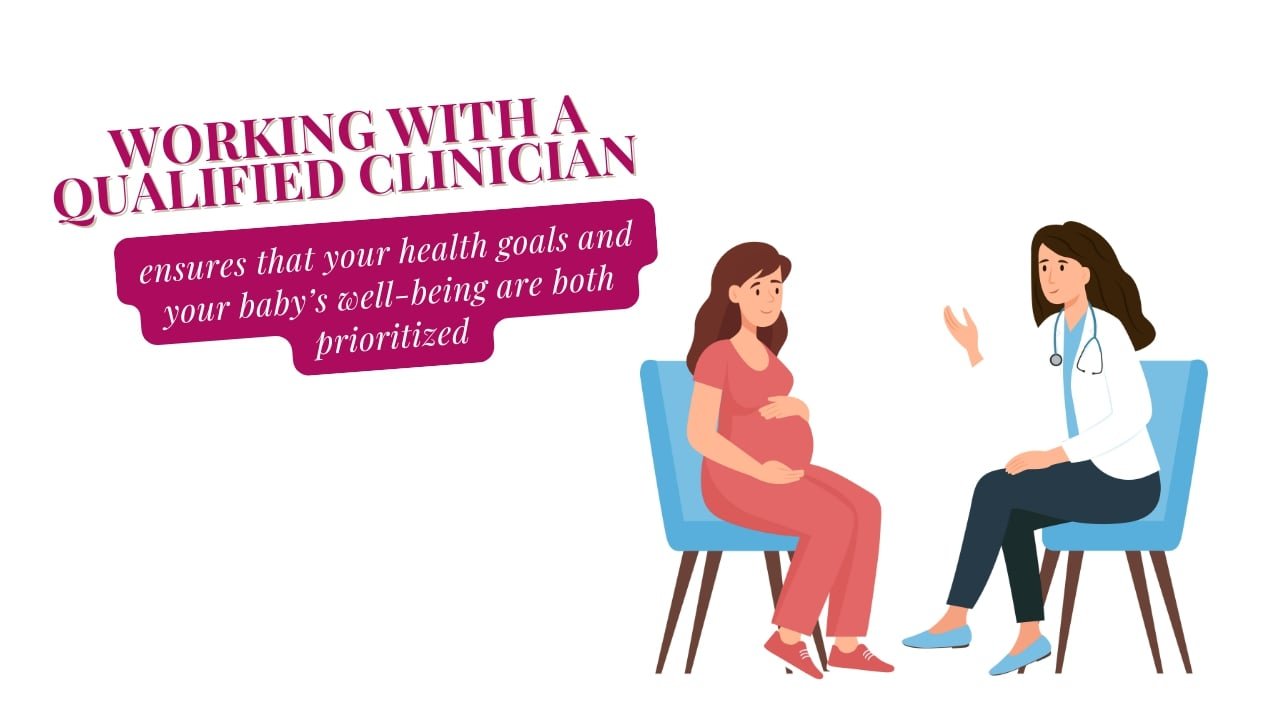
It’s also worth remembering that newborns are super vulnerable during those early months—their bodies are still figuring out temperature regulation, blood sugar, and other key processes. Introducing any potential medication exposure too soon could create unnecessary risk. That’s why guidance from a healthcare professional who really knows breastfeeding and postpartum care is key. Working with a qualified clinician ensures that your health goals and your baby’s well-being are both prioritized, letting you take a safe, balanced approach to postpartum weight management.
Recovery and Weight Support for Non-Breastfeeding Moms
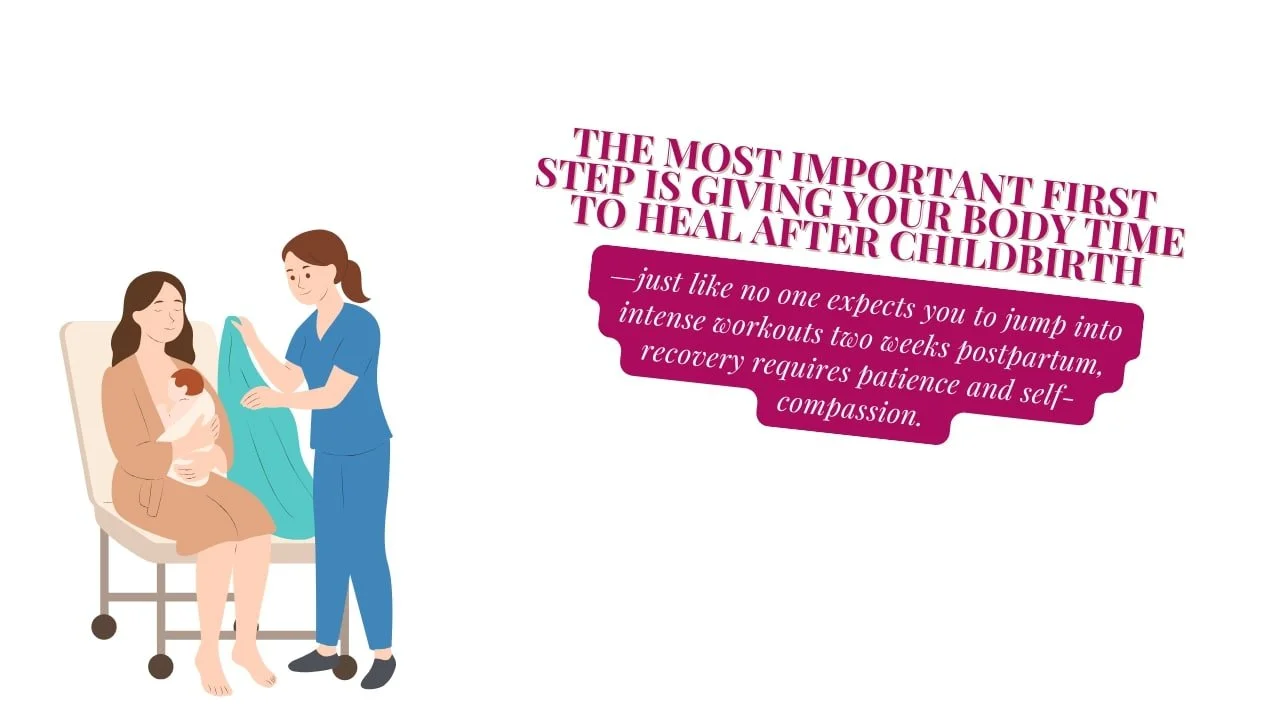
For moms who aren’t breastfeeding, considering weight management medications can be a reasonable option. The most important first step is giving your body time to heal after childbirth—just like no one expects you to jump into intense workouts two weeks postpartum, recovery requires patience and self-compassion. Around the two- to three-month mark, it can be a good time to start setting goals and exploring whether medications might be helpful. Gentle movement, like walking or light routines, can support stress relief and overall well-being, especially when sleep is interrupted by nighttime baby care. Having partner support during daily routines can make these adjustments much more manageable.
Medications are mainly intended for moms facing metabolic challenges or significant postpartum weight retention—not simply for getting back into pre-pregnancy clothes faster. Even if medication isn’t the right step immediately, there are many other tools available. Nutrition guidance, realistic exercise plans, and a strong support system can all make a meaningful difference.
By combining these approaches, moms who aren’t breastfeeding can make informed, balanced choices that prioritize both their health and recovery—without added pressure or unrealistic expectations.
Postpartum life can feel overwhelming, but practical tools like meal replacements, simple nutrition strategies, and leaning on support can make a big difference. Being kind to yourself and prioritizing both your physical and mental health is just as important as anything on your plate.
For more tips, guidance, and strategies to thrive after baby, catch the full episode where Dani and I dive into everything you need to know about postpartum wellness.
More from The Dr. Francavilla Show:
Subscribe to The Dr. Francavilla Show on