
Liver Disease and Your Weight with Dr. Rajvanshi
Ever wonder how much your liver really impacts your overall health and weight?
The liver plays a central role in metabolism, yet its importance is often underestimated. On this week’s episode, we explored this topic with Dr. Rajvanshi, a board-certified gastroenterologist, hepatologist, and obesity medicine specialist at Valley Medical Center in Riten, Washington. Beyond his clinical practice, Dr. Rajvanshi is also a health technology entrepreneur, developing AI tools to support obesity medicine for clinicians and patients, and he is actively involved in the Obesity Medicine Association.
Many people think of the liver simply as the body’s detoxifier, but it’s far more complex and vital. It plays essential roles in metabolism, nutrient processing, and overall health. Understanding and supporting liver health is crucial for maintaining long-term wellness, particularly in the context of weight management and metabolic health.
Dr. Rajvanshi’s approach illustrates a broader principle in modern medicine: addressing the root causes of disease rather than just the symptoms. By integrating liver care, metabolic health, and obesity medicine, clinicians can help patients prevent serious complications, reduce the need for invasive treatments, and improve quality of life.
More Than Just a Detox Organ
The liver is, truly, one of the most essential organs in your body, but honestly, people totally underestimate how complex it is. It’s not like the heart or lungs where machines or treatments can step in if something goes wrong—your liver’s health is irreplaceable. So yeah, taking care of it is kind of a big deal.
Anatomically, it sits up in your upper abdomen just below the lungs, and multiple parts make up the system. Liver cells handle most of the metabolic work, bile ducts drain bile, and other support cells keep the whole system running smoothly. Together, they basically turn the liver into a full-on biological factory, producing proteins and clotting factors, processing and detoxifying the blood, and managing a ton of nutrients.
For people dealing with obesity, the liver’s role in metabolism is extra important. It helps process carbs, store energy as glycogen, metabolize fats, break down amino acids, and manage all sorts of other compounds your body needs. And it’s not working alone—it interacts with hormones and other systems to keep everything balanced. So yeah, the liver isn’t just a detox organ; it’s a total hub for nutrition, metabolism, and overall health. Taking care of it isn’t just about avoiding disease—it’s about supporting your whole body to function at its best.
Liver Health Isn’t Permanent Damage
When patients see elevated liver enzymes on a routine blood test, it’s natural to worry about liver failure. But the truth is, the progression from liver injury to serious liver disease usually happens slowly—and the best part is, it’s manageable especially when caught early.
Think of it like your skin. When you get a cut or scrape, it gets red, swollen, and sometimes painful, and then scar tissue forms as it heals. The liver works in a similar way. When liver cells are inflamed, they start laying down scar tissue. It starts with inflammation, and over time, if left unchecked, it can lead to significant scarring.
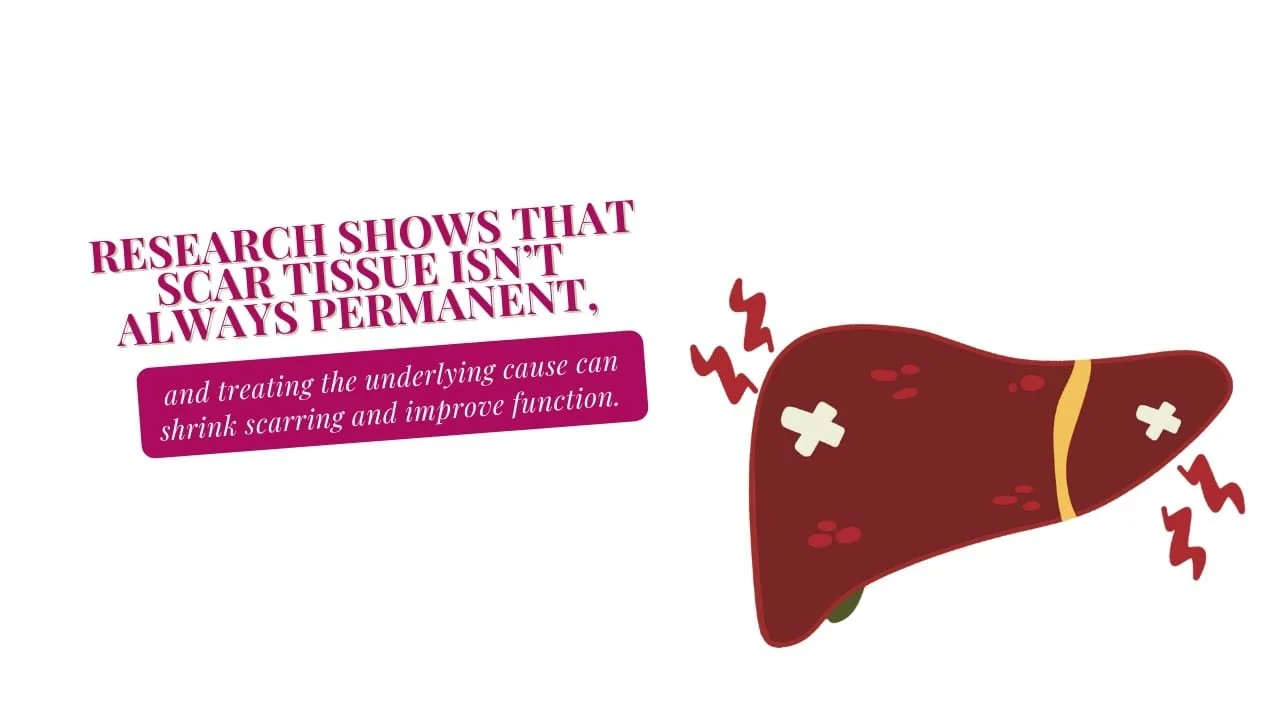
If scarring continues for many years—often five to ten—you might develop cirrhosis, where the liver develops nodules and can become heavily scarred. But there’s a really important window to intervene. Lifestyle changes, medications, and even some surgical options can help stop further damage—and in many cases, the liver can even recover. Research shows that scar tissue isn’t always permanent, and treating the underlying cause can shrink scarring and improve function. With early detection and proper care, the liver can be surprisingly resilient.
From Fat to Fibrosis: A Clear Guide to Modern Liver Disease Terms
The terminology around liver disease can be super confusing, even for doctors. Two terms that often come up are MASLD and MASH, which have replaced the older NAFLD and NASH labels. Knowing why these names changed actually helps make sense of what’s happening in the liver.
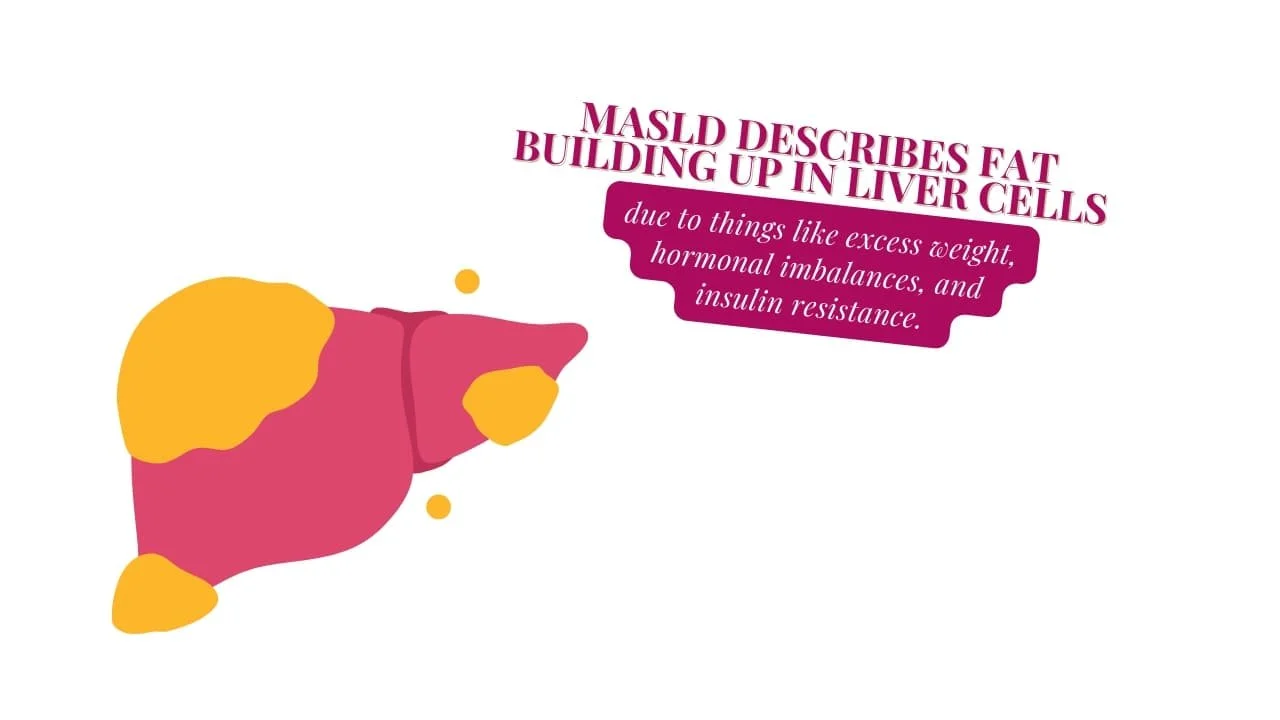
“Fatty liver disease” used to be the go-to term, but while it’s accurate, it carried some stigma—for patients and even within medicine. To remove that bias and better reflect the science, the medical community switched to Steatotic Liver Disease, with “steato” meaning fat. That’s how we got MASLD—Metabolic Dysfunction–Associated Steatotic Liver Disease. Basically, MASLD describes fat building up in liver cells due to things like excess weight, hormonal imbalances, and insulin resistance. When liver cells fill with fat, they get bigger, and the liver itself can enlarge—classic fatty liver.
When that fat starts triggering inflammation, it moves into the next stage: MASH—Metabolic Dysfunction–Associated Steatohepatitis. Here, the immune system reacts to the fat, and over time, scar tissue—or fibrosis—can form. If fibrosis keeps going, it can eventually lead to cirrhosis, where the liver is heavily scarred and its function is compromised. Understanding MASLD and MASH is key because it shows how liver disease progresses—from fat, to fat plus inflammation, to scarring—and why early action matters. Addressing underlying factors like weight, hormones, and insulin sensitivity can actually stop or even reverse this progression, keeping your liver healthy long-term.
Why Screening for Fatty Liver Disease Is So Important
Treating fatty liver disease is really all about timing. For most people, unless the liver is already seriously damaged, there’s room to intervene and even reverse some of the harm. Not everyone with fat in their liver is heading straight for cirrhosis or a transplant. The real key is staging—figuring out how much inflammation and scar tissue, also called fibrosis, is present. These factors largely determine how the disease might progress and guide how aggressively treatment should be pursued.
Physicians use established scoring systems, such as the FIB-4 score, which can be calculated from routine blood tests including liver enzymes, platelet count, and age. This score helps identify patients at low risk, who can often be managed with lifestyle modifications like diet, exercise, and weight management, while those at higher risk are referred to liver specialists for further evaluation. Patients in the middle range may undergo additional imaging or tests to more precisely determine the amount of scar tissue, which helps physicians create a tailored plan for care.
These tools also clarify the role of liver biopsies, which is often misunderstood and can cause unnecessary worry. Historically, biopsies were used in clinical trials to confirm disease stage and inflammation, but in routine practice, they are rarely needed. Modern non-invasive methods, such as blood tests and imaging, now provide reliable information about liver health without subjecting patients to an invasive procedure. In rare cases—like a normal-weight patient showing unexpected signs of liver disease—a biopsy may be helpful, but for most patients, it isn’t necessary.
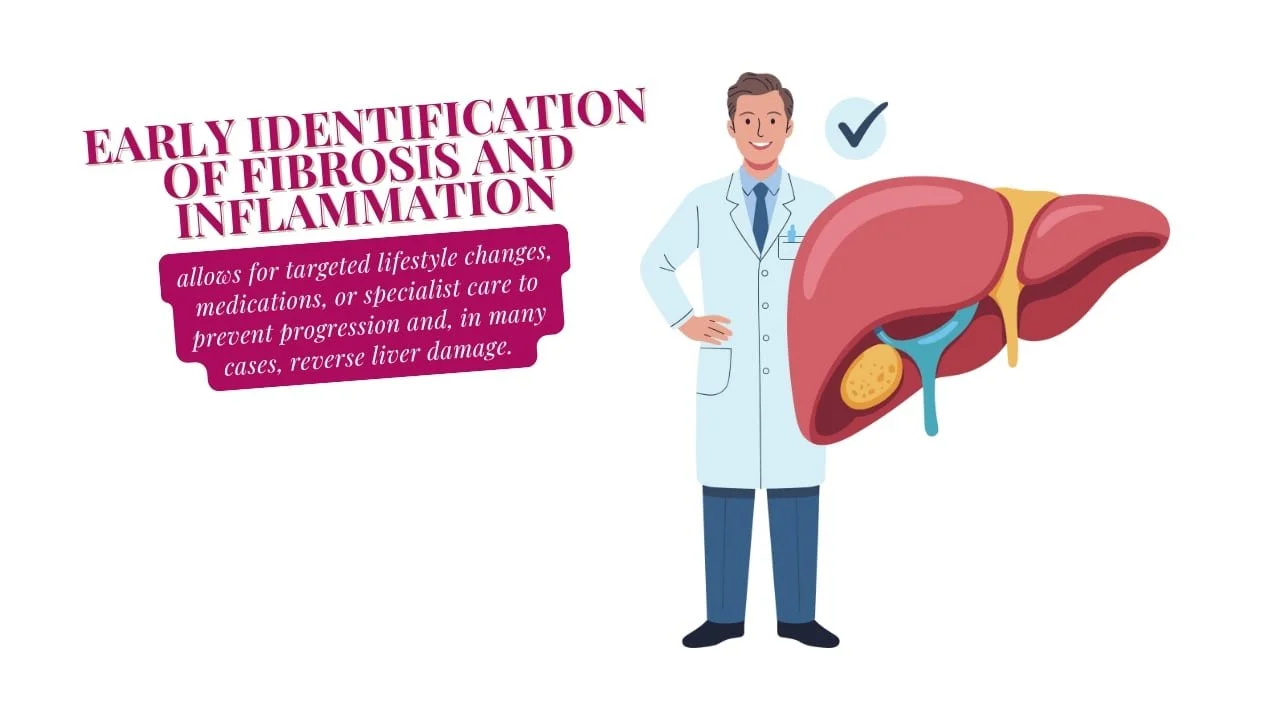
By combining staging tools with non-invasive assessments, physicians can make informed decisions about the best next steps. Early identification of fibrosis and inflammation allows for targeted lifestyle changes, medications, or specialist care to prevent progression and, in many cases, reverse liver damage. This approach not only reduces anxiety for patients but also enables proactive management, improving long-term outcomes and overall liver health.
Liver Health Myths: Why Supplements Can’t Replace a Balanced Diet
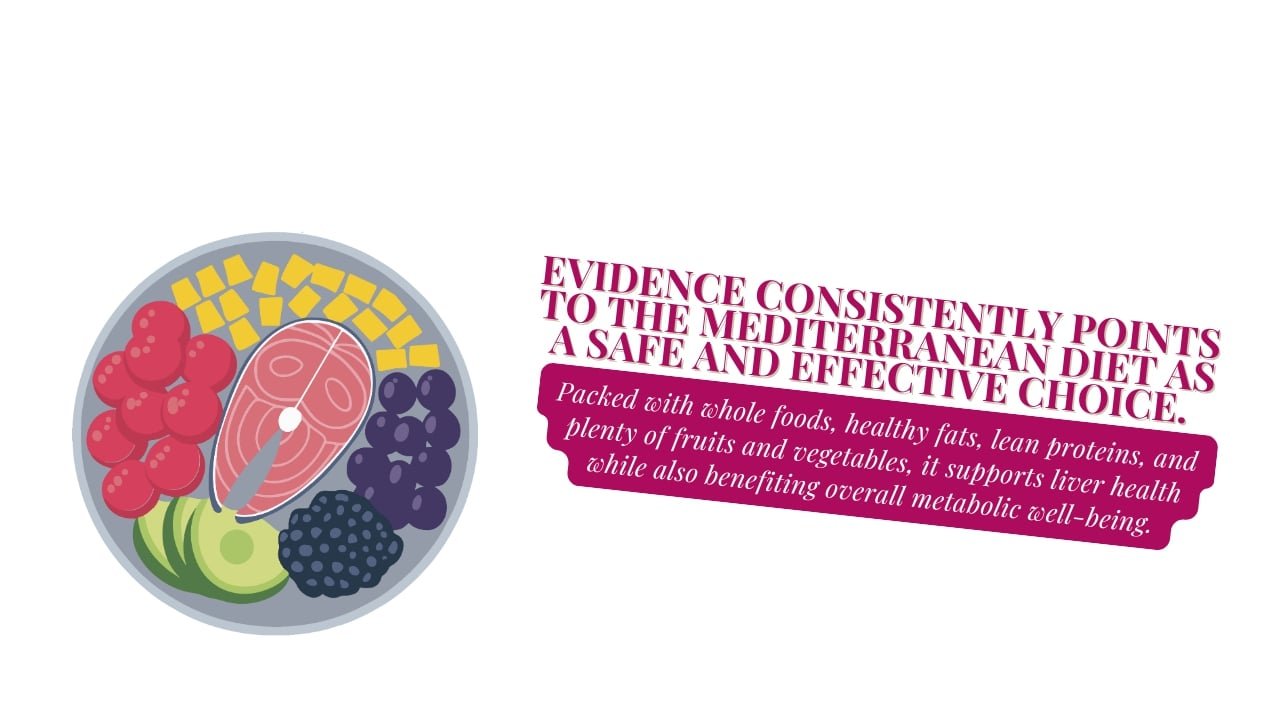
When it comes to dietary guidance for fatty liver disease, the main focus is on overall nutrition and calorie-appropriate eating. Evidence consistently points to the Mediterranean diet as a safe and effective choice. Packed with whole foods, healthy fats, lean proteins, and plenty of fruits and vegetables, it supports liver health while also benefiting overall metabolic well-being.
Despite what many popular claims suggest, no supplement has been proven to treat or reverse fatty liver disease. Compounds like milk thistle or ursodeoxycholic acid have undergone clinical trials, yet none have shown consistent benefits. This underscores a key point: true liver support comes from lifestyle interventions, not pills or “miracle” supplements. While supplements may feel like a quick fix, the evidence simply isn’t there to rely on them for liver improvement.
Another important consideration is concentrated calories, particularly from sweetened beverages and foods high in added sugars like high-fructose corn syrup. These can easily push calorie intake above daily needs and contribute to fat accumulation in the liver. While lower-carbohydrate approaches can sometimes help, the most critical principle remains overall calorie control and nutrient quality. Clinically, even a modest 10% reduction in body weight can significantly improve liver inflammation and reduce scar tissue, making realistic lifestyle changes far more powerful than any supplement for long-term liver and metabolic health.
Alcohol and Liver Health
Alcohol and liver health is a really important topic, especially for those with fatty liver disease or metabolic-associated steatohepatitis (MASH). Alcohol directly affects liver biology and, over time, can increase the risk of liver disease progression. Alcoholic liver disease also has its own complications, including considerations for liver transplantation, where complete sobriety is often a requirement. For these reasons, minimizing or avoiding alcohol is strongly advised for anyone with liver disease.
Recent research has also highlighted a combined risk called metabolic-associated alcoholic liver disease (MA-ALD). This can develop in people who already have fatty liver disease due to obesity and consume even moderate amounts of alcohol. In other words, you don’t have to be a heavy drinker to add extra stress to your liver—moderate drinking can still worsen liver damage when obesity is involved.
For patients with MASH, the safest approach is complete abstinence from alcohol. While occasional minimal consumption may not be definitively harmful, there’s no clear data to show a “safe” amount for someone with existing liver disease. Current guidelines suggest that even low-level drinking carries risks—not just for the liver, but for other health concerns like breast cancer in women. Limiting alcohol, or ideally avoiding it entirely, supports liver health, prevents disease progression, and helps align with broader weight and metabolic health goals.
Resmetirom, Semaglutide, and the New Era of Liver Health
Treating fatty liver disease and metabolic dysfunction–associated steatohepatitis (MASH) has entered a new era with FDA-approved medications. While lifestyle interventions like diet, exercise, and weight management remain foundational, these drugs now provide a proactive way to improve liver health and prevent disease progression. Medication decisions are guided by the stage of liver disease, particularly the presence of scar tissue and inflammation. Early intervention—before significant scarring occurs—can prevent progression to cirrhosis and reduce the risk of liver failure or the need for a transplant.
Two medications currently stand out: resmetirom (brand name Rezdiffra), and semaglutide (commonly known as Wegovy). They both target the core goals of liver management: reducing inflammation and stabilizing or improving scar tissue. These medications are typically considered for patients at stage two or higher, when early signs of progression appear but before extensive scarring develops. Tools like blood tests and non-invasive scoring systems, such as the FIB-4 score, help identify patients who could benefit. With these treatments, the approach shifts from reacting to advanced disease to actively preserving liver function and supporting long-term health.
Semaglutide, widely recognized for its effectiveness in weight management, has emerged as a particularly powerful tool in treating liver disease. Beyond weight loss and improving obesity-related comorbidities, semaglutide can reduce liver inflammation and decrease scar tissue. For the first time, clinicians can not only prevent severe liver disease but also start to reverse it. This represents a major shift in treatment and a source of optimism for both patients and providers. Just as targeted therapies for hepatitis C have nearly eliminated it as a leading cause of liver transplant, the combination of medications, lifestyle interventions, and surgical options now offers real hope for patients with MASLD and MASH.
Despite these advances, challenges remain—especially regarding insurance coverage and access to treatment. Early detection, understanding the stage of disease, and advocating for appropriate care are essential for achieving the best outcomes. While lifestyle changes remain critical, medications play a vital role, and patients should feel empowered to ask for them. Taking charge of your liver health means staying informed, seeking the right medical guidance, and ensuring access to all available interventions that can make a meaningful difference in long-term liver and metabolic health.
There’s so much more to this conversation—especially if you want a practical, real-world understanding of liver health and metabolic care. The complete episode lays out every insight from start to finish.
More from The Dr. Francavilla Show:
Subscribe to The Dr. Francavilla Show on