
3 Quick Ways to Reduce Stress with Dr. Anissa Cordova
Have you ever wondered why stress can feel so overwhelming even when nothing “major” is happening—and why the exact same situation can feel energizing for one person and totally draining for another?
Stress is something that shows up in everyone’s life, literally every single day, but the way we understand and respond to it can completely change our experience of it. In this episode, we’re looking at stress not just as an external pressure, but more like a nervous system response—something shaped by perception, emotion, energy, and capacity.
To help unpack all of this, we’re joined by Dr. Anissa Cordova, PhD, a psychotherapist and resilience coach specializing in stress regulation and emotional wellbeing. She’s been a colleague in our clinic for the past year, and her work brings together health psychology, HeartMath research, and nearly 30 years of meditation practice.
Dr. Cordova’s approach focuses on something super important but often overlooked: the heart–brain connection and how it influences resilience, clarity, and emotional regulation. And honestly, what makes her perspective so valuable is that it’s not just theoretical—it’s really practical, super compassionate, and centered on tools people can actually use in everyday life.
She breaks down stress in a more grounded, easy-to-understand way, sharing simple ways to support your nervous system in real time. Because while stress is something everyone experiences, how you handle it can shift how life feels day to day.
If this resonates, keep going to catch the full conversation and pick up tools you can start using right away to better understand and manage your stress.
Stress: Understanding How the Nervous System Responds
Stress can be understood as a challenge to the nervous system, not just something happening outside of us, but more importantly, how the body and mind respond internally. A helpful way to think about it is through emotions—some feel replenishing, while others feel depleting. And honestly, it’s usually those depleting emotions that start to build strain in the system and create that sense of being “stressed out.” So stress isn’t just the situation itself, it’s really the internal load the body is carrying in response to it.
What makes stress a little tricky is that it’s not always logical. Emotions don’t follow neat rules, like at all. For example, excitement and fear can feel almost identical in the body. Both can raise your heart rate, tighten your muscles, and make everything feel more intense and alert. The difference usually comes down to interpretation. If the mind reads the situation as exciting, the body can ride that wave in a more energized way. But if it’s interpreted as threatening or uncertain, it can quickly feel overwhelming instead. So yeah, the story we tell ourselves in the moment really shapes the experience.
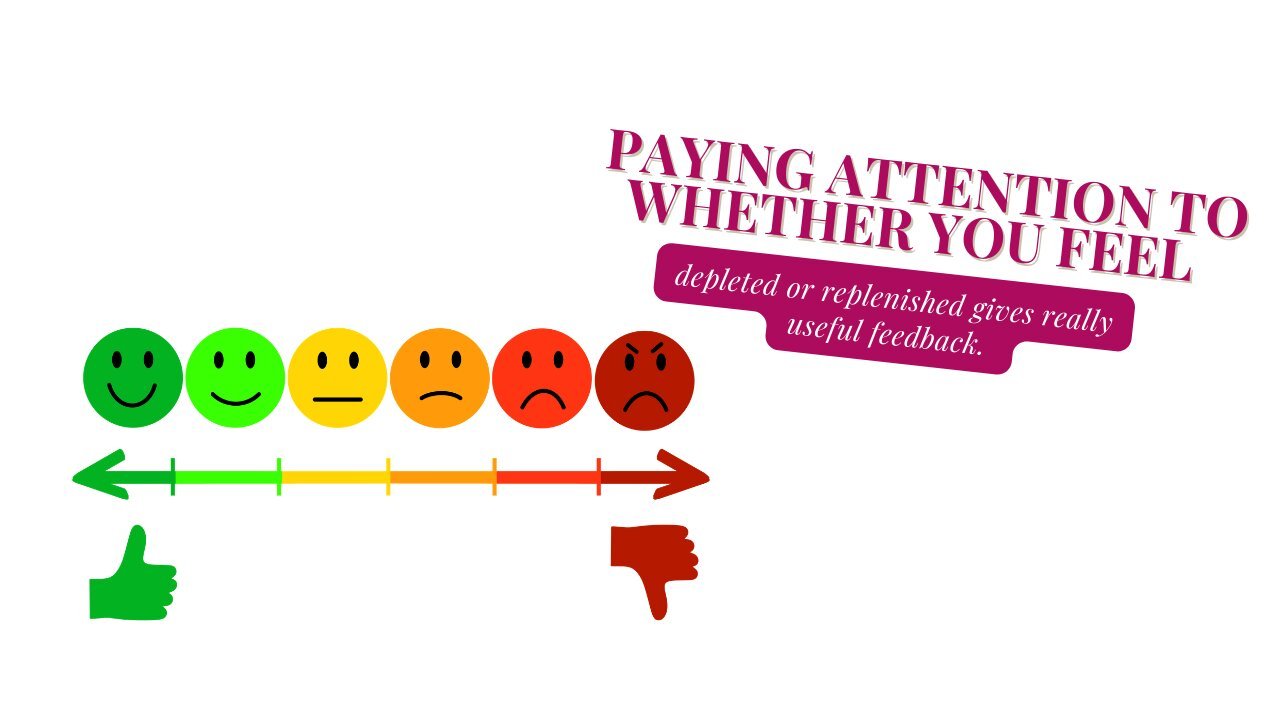
Because of that, managing stress isn’t really about avoiding hard things or trying to stay in some perfectly calm state all the time. It’s more about awareness—like noticing how daily life is actually affecting your nervous system. Paying attention to whether you feel depleted or replenished gives really useful feedback. From there, it becomes easier to make small, consistent adjustments instead of waiting until you’re totally burnt out. It’s less about control and more about noticing patterns as they show up.
And once that awareness is in place, it becomes easier to respond instead of just react. You start to catch yourself a little sooner, and there’s more space to choose how to move through a moment rather than getting fully pulled into it. Like, even that tiny pause can change everything. Over time, that kind of practice helps the nervous system feel more balanced and supported, not because stress disappears, but because you’re working with it in a more steady and intentional way.
Resilience: Building Capacity and Recovery
Resilience builds on this understanding of stress, and it’s basically the capacity to prepare for, adapt to, and recover from challenges or adversity. At its core, resilience is closely connected to energy and capacity. You can think of it like an internal battery. In the morning, energy is usually at its highest, and as the day goes on, that energy naturally gets used up. The goal isn’t to avoid getting tired or depleted altogether, but more to understand how quickly energy is drained and how effectively it can be restored.
What’s important to know is that capacity isn’t fixed. It changes depending on what’s going on in the body. When someone is well-rested, supported, and grounded, they’re able to handle stress in a much more steady way. But when they’re exhausted or already overwhelmed, even small things can feel like a lot. So resilience isn’t something you either have or don’t have—it actually shifts depending on how consistently the body and mind are being cared for.
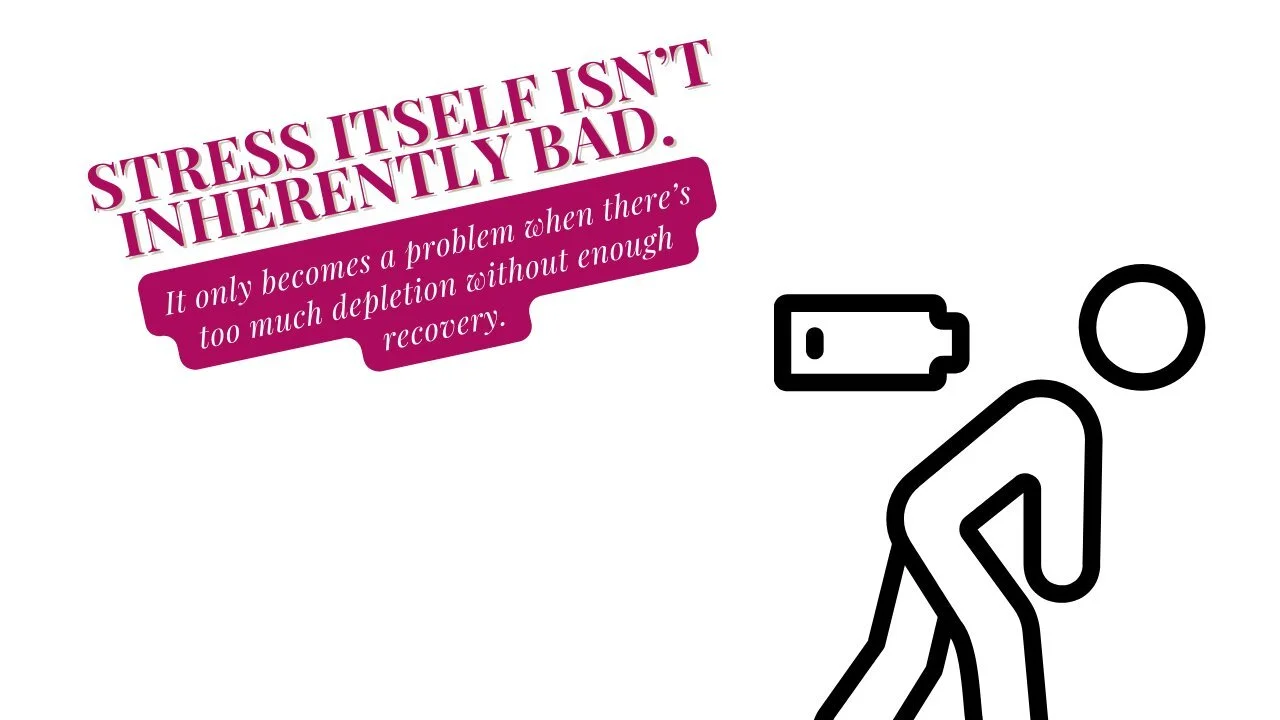
And this is where it gets really practical. Stress itself isn’t inherently bad. It only becomes a problem when there’s too much depletion without enough recovery. When it’s looked at as a balance between what drains energy and what restores it, it becomes much easier to work with in real life. It’s less about trying to eliminate stress completely and more about learning how to move through it in a way that doesn’t constantly empty the system.
So instead of focusing on control or perfection, the shift is really toward awareness and support. Noticing when energy is dropping, giving the nervous system moments to recover, and building small habits that help restore balance. Over time, that’s what builds resilience—not avoiding stress, but learning how to stay steadier while moving through it.
How to Stabilize Your Nervous System and Manage Stress in Everyday Life
Stabilizing the nervous system starts with something simple but often overlooked: learning how to navigate personal energy. It’s really about building awareness around when the body feels depleted, and noticing when certain habits, environments, or even thought patterns are adding to that drain. Once that awareness is in place, it becomes much easier to make small adjustments—either by reducing what takes energy away or intentionally adding things that help restore it.
At the core of this process are small, consistent daily habits. They don’t need to be complicated at all. In fact, the simpler and more repeatable they are, the more effective they tend to be over time. Nervous system stability isn’t built through one big, dramatic change—it’s built through steady, everyday choices that gently support balance in the background of life.
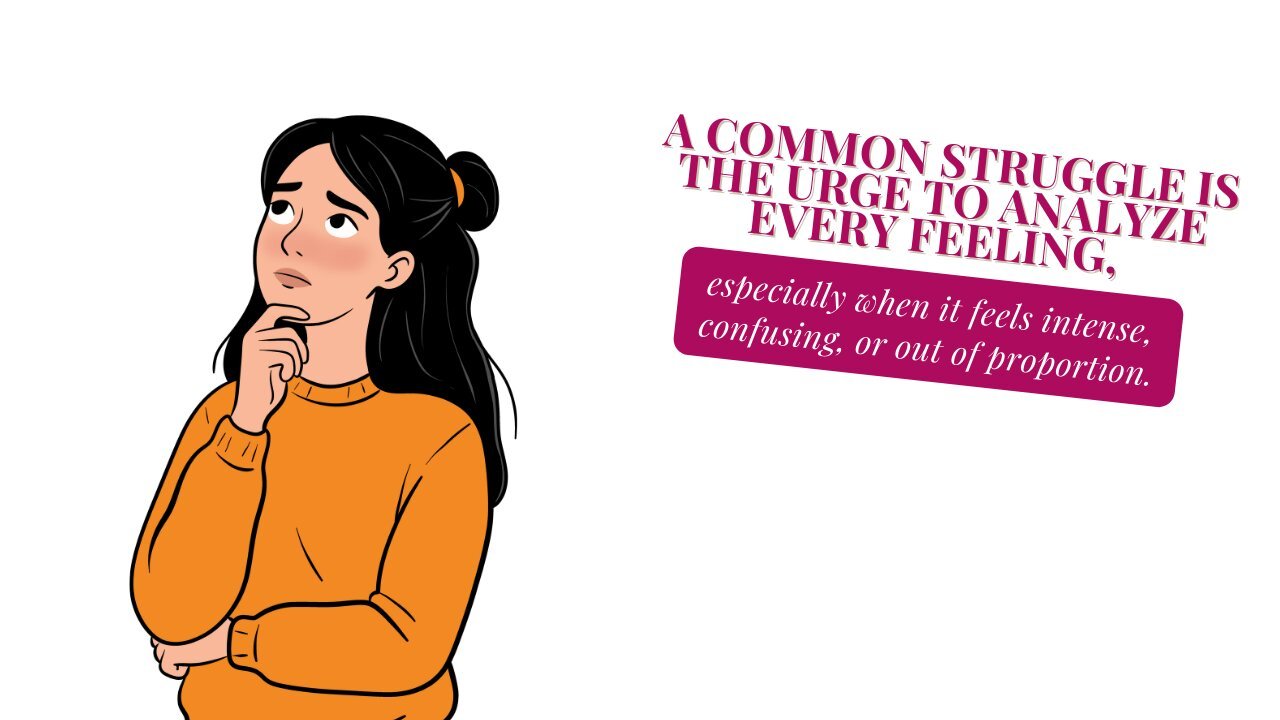
One really important mindset shift is accepting that emotions don’t always make logical sense—and honestly, that’s completely normal. A common struggle is the urge to analyze every feeling, especially when it feels intense, confusing, or out of proportion. There’s often this strong need to figure out why it’s happening, especially when it doesn’t seem rational. But in those heightened moments, that kind of analysis usually doesn’t help much.
When the nervous system is activated, trying to “solve” the emotion can actually create more tension. A more supportive approach is simple acknowledgment—just noticing what’s present without immediately trying to explain or fix it. Like, feeling anxious before something new (even something exciting) can still happen. Instead of resisting it, it can be more regulating to notice the thoughts, the body sensations, and just accept, “this is what’s happening right now.”
That shift from resistance to curiosity is where things start to change. Instead of pushing emotions away or over-identifying with them, there’s a small step back into awareness—almost like asking, “Okay, what am I experiencing right now, and how do I want to respond to it?” That space is powerful. It reduces the internal fight, which actually saves energy and helps the nervous system settle more naturally.
It’s also helpful to remember that small, immediate actions can create quick resets. These don’t need to be perfect or sophisticated—they just need to interrupt the pattern. Things like listening to music, stepping away for a moment, or even having a small comforting treat can sometimes be enough to shift the system out of intensity. The key is not perfection, but awareness and moderation.
If you think of energy like an internal battery, it becomes easier to understand what’s happening throughout the day. That battery naturally drains, and unlike machines, humans don’t just “run the same” when energy gets low. Thinking gets less clear, reactions become more automatic, and emotions can feel louder and harder to manage.
This is where nervous system stability really becomes a skill. With consistent practice, it becomes possible to create a small pause between what happens and how you respond. Instead of reacting immediately, there’s a moment—sometimes just a breath—to choose a more grounded response. And over time, those small pauses start to add up.
In the long run, stabilizing the nervous system isn’t about eliminating stress. It’s about building the capacity to move through it with more awareness, less internal resistance, and a steadier sense of self—even when life feels full.
Simple Daily Practices to Support Your Nervous System and Stay Grounded
When it comes to keeping your energy steady and preventing burnout, the goal isn’t to avoid stress completely. Stress is part of life. The real shift happens when you learn how to support your nervous system in small, consistent ways so you’re not constantly running on empty.
These are simple, practical tools that help the body stay more balanced throughout the day. Nothing complicated, nothing extreme—just small practices that, over time, can make a real difference in how you handle stress, emotions, and daily demands.
Gratitude Practice- Spend a few minutes each day intentionally noticing what you’re grateful for. It doesn’t have to be big or life-changing. It can be something as simple as a warm meal, a message from someone, or even something basic like running water or a safe place to rest.
The point isn’t to force positivity, but to train the mind to also recognize what is steady and supportive. Over time, this helps shift attention away from constant stress-scanning and creates a more grounded emotional baseline.
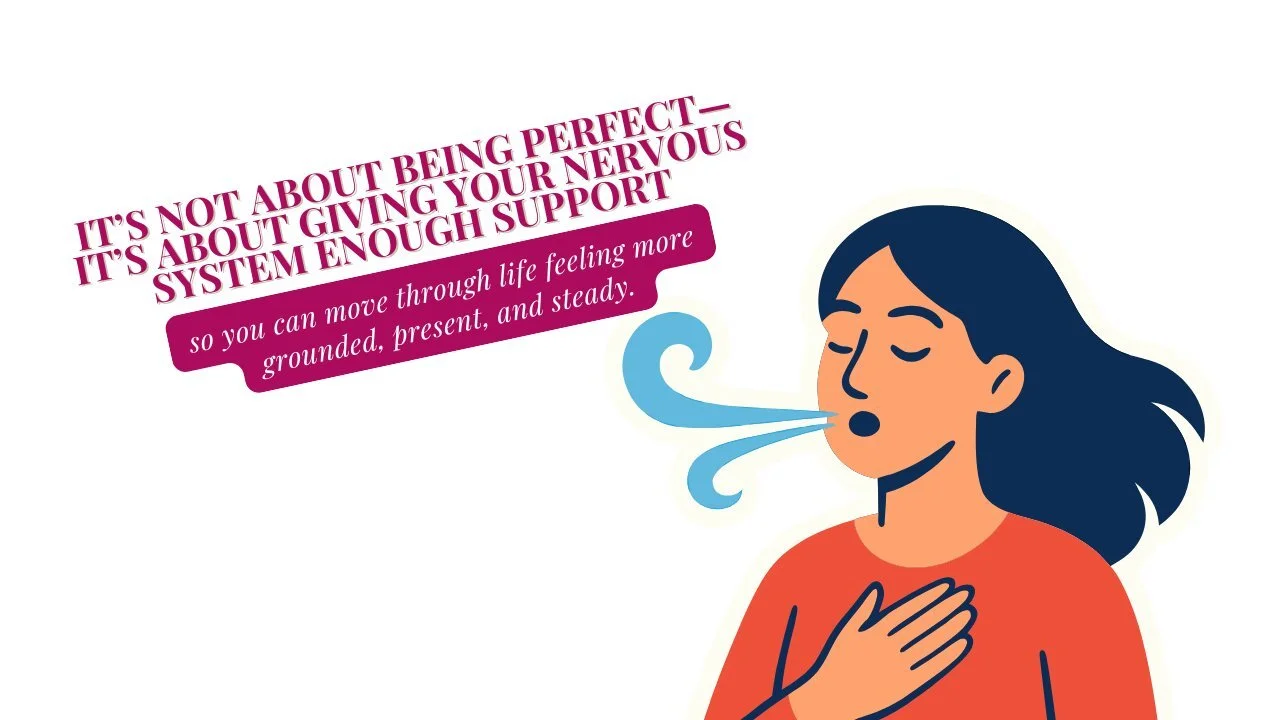
Heart-Focused Breathing- Bring your attention to the area of your heart and slow your breathing to a steady rhythm—about 5 seconds in and 5 seconds out. There’s no need to force a feeling; the focus is simply on creating a calm, steady rhythm in the body.
This kind of breathing helps regulate the nervous system and creates space between what you feel and how you respond. With practice, it becomes easier to pause instead of react automatically in stressful moments.
Extended Exhale Breathing (with optional humming)-Take a short, natural inhale, then slowly extend your exhale for as long as feels comfortable. This helps signal the body to shift into a more relaxed state.
If possible, adding a gentle hum during the exhale can deepen the effect. It naturally slows the breath and can feel especially grounding when you’re tense or overwhelmed.
These practices don’t require a lot of time, money, or effort—but their impact comes from repetition. Even a few minutes a day can help interrupt stress patterns and bring the nervous system back into balance.
Over time, these small moments of regulation add up. You may notice fewer reactive responses, more clarity during stressful situations, and a greater sense of stability throughout your day. It’s not about being perfect—it’s about giving your nervous system enough support so you can move through life feeling more grounded, present, and steady.
Why Managing Your Energy Matters More Than Avoiding Stress
Learning how to manage stress and stabilize the nervous system is not just for moments of crisis—it is a skill that benefits everyone, in everyday life. The goal is not to rely on constant guidance, but to build enough awareness and practical tools to navigate emotions independently.
At its core, this work is about understanding how to move through emotional experiences with more clarity and less resistance. When people develop even a basic sense of how their nervous system responds, it becomes easier to handle both expected challenges and unexpected situations. Stress does not only come from major life events. It can show up in small, daily disruptions—a sudden expense, a change in plans, or simply the accumulation of responsibilities throughout the day.
Even in positive or stable seasons of life, stress is still present in different forms. That is why building resilience is not just a reactive strategy, but a proactive one. It prepares the mind and body to respond more effectively, rather than being caught off guard.
Another important piece is recognizing how energy levels influence behavior. As the day progresses and energy becomes depleted, the ability to think clearly, respond patiently, and make intentional choices tends to decrease. This is when people are more likely to feel overwhelmed or react in ways they later regret.
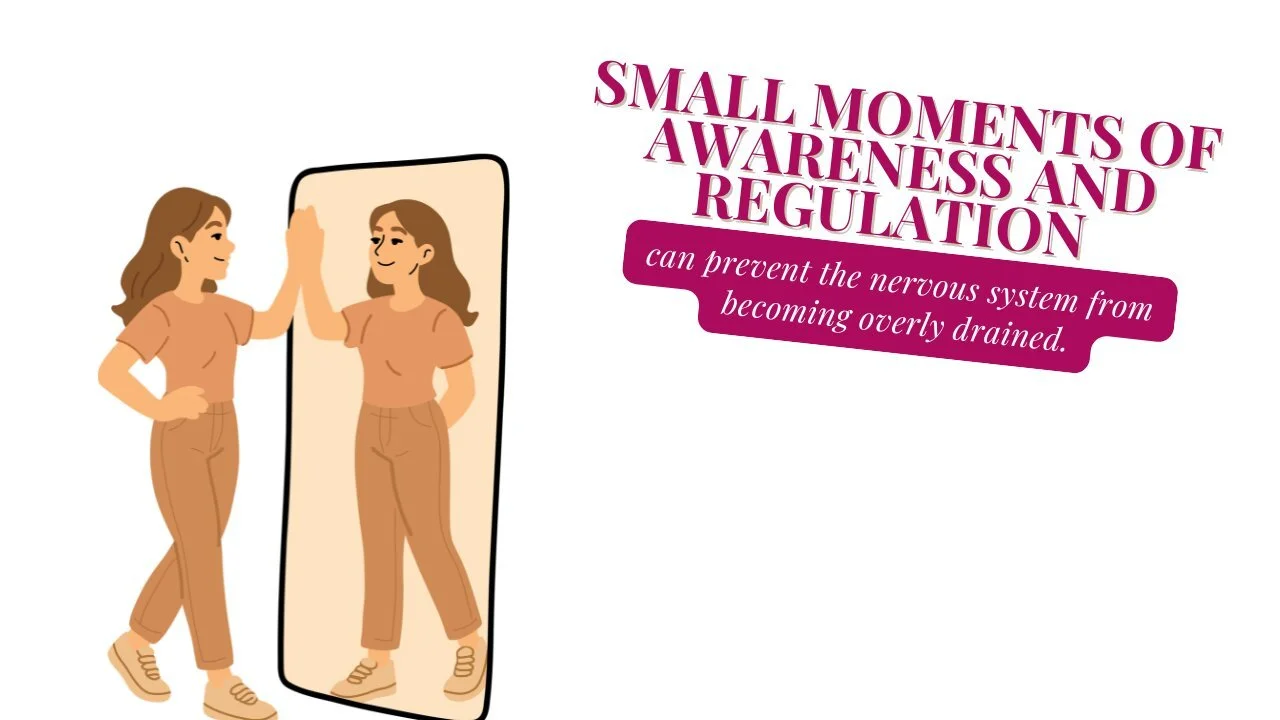
By learning to manage energy throughout the day, it becomes possible to reduce that level of depletion. Small moments of awareness and regulation can prevent the nervous system from becoming overly drained. Over time, this leads to noticeable shifts—not just in how stress is handled, but in how daily life feels overall.
The impact often shows up in simple but meaningful ways. There may be less exhaustion at the end of the day, fewer moments of reactive behavior, and a greater sense of control in challenging situations. As these experiences begin to add up, they naturally build confidence.
In the long run, this is what makes these practices so valuable. They are not about perfection or eliminating stress entirely, but about creating a steady foundation. With consistent effort, it becomes easier to move through each day feeling more grounded, more capable, and more aligned with how one wants to respond.
More from The Dr. Francavilla Show:
Subscribe to The Dr. Francavilla Show on