
GLP1s, Surgery, and Menopause with Triple Threat Dr. Angela Glasnapp

Ever wonder why losing weight can suddenly feel impossible in your 40s or 50s, even when nothing about your diet or workout routine has changed?
That's exactly the question this week's episode sets out to answer, with guest Dr. Angela Glasnapp joining the conversation.
Dr. Glasnapp is a board-certified bariatric surgeon, obesity medicine specialist, and menopause practitioner with New York Bariatric Group, and for more than 16 years, she's helped patients improve their health through evidence-based treatment for obesity and metabolic disease, blending surgical, medical, and lifestyle approaches into one comprehensive strategy.
As her practice evolved, she noticed a significant gap in care for women navigating perimenopause and menopause, which led her to bring that expertise into her practice too. In this episode, she breaks down everything from choosing the right treatment path to the science behind weight regulation, and why menopause deserves a much bigger seat at the table in obesity medicine.
Ready to dig into all of it, from surgery eligibility to the hormone-weight connection nobody really talks about?
The First Step to the Right Treatment Is Just Getting the Full Picture.
Choosing between bariatric surgery, medication, or a combination of both can feel overwhelming, but it doesn't have to be a decision you make alone or in the dark. Dr. Angela Glasnapp's approach starts with something pretty simple: education and honest conversation. Instead of pushing patients toward one option over another, the first consultation is really about meeting people where they're at and making sure they understand everything that's actually on the table. That means going through each treatment option, answering questions as they come up, and getting a full picture of the patient's health history and whatever weight-loss approaches they've already tried. Informed patients tend to be empowered patients, and once you understand the full range of what's available, it's a lot easier to land on a decision that actually fits your goals and lifestyle.
One of the biggest surprises for patients? Finding out they qualify for bariatric surgery when they assumed they wouldn't. A lot of people think their BMI isn't high enough, or that they need more obesity-related health conditions to be considered a candidate. Others are hesitant because of outdated ideas about what surgery even looks like these days. Dr. Glasnapp works through these concerns by walking patients through the actual eligibility criteria and explaining that modern bariatric surgery is genuinely one of the safest surgical procedures performed today. The first visit isn't about making a snap decision, it's about leaving with a clearer picture of the options and the confidence to choose when the time feels right.
The same misconceptions show up around obesity medications, too. Plenty of patients assume they won't qualify, only to find out they're eligible after all. That's the whole point of taking time to walk through every treatment option: it's not about pointing patients toward one path, it's about helping them find the approach that actually works for them.
Bariatric Surgery Eligibility, Explained
Many people assume bariatric surgery is only for individuals with severe obesity, but that's not always the case. A lot of patients are surprised to find out they actually qualify for surgery based on current medical guidelines, even when they didn't think they'd be candidates at all.
Eligibility today is still largely based on body mass index (BMI). It's not a perfect measurement, especially for people with higher muscle mass, but it's the standard insurance companies use to determine coverage. In general, adults with a BMI of 40 or higher may qualify for bariatric surgery, even without any weight-related medical conditions. Those with a BMI between 35 and 40 may also qualify if they have at least one related condition, like type 2 diabetes, obstructive sleep apnea, high blood pressure, or fatty liver disease. Some insurance plans have expanded their criteria even further, and in certain cases, people with a BMI of 30 or higher and type 2 diabetes may be eligible too.
Patients with type 2 diabetes are actually among those who stand to benefit the most from having this conversation. People with diabetes often have a harder time losing weight, even on medications like GLP-1 receptor agonists. Those medications can do a great job improving blood sugar, but the weight loss side of things doesn't always show up the way patients hope. That's where bariatric surgery comes in, and one of the most remarkable parts is that its benefits go way beyond just shrinking the stomach. It's really considered metabolic surgery, since it triggers hormonal changes that improve how the body functions overall. Doctors have actually observed for decades that many patients see major improvements in their type 2 diabetes almost immediately after surgery, often before they've lost a significant amount of weight, which shows the procedure is doing a lot more than just promoting weight loss.
As researchers have learned more about obesity and the hormones that regulate hunger and metabolism, it's become clearer why this happens. Procedures like gastric bypass and sleeve gastrectomy increase the body's natural production of hormones like GLP-1, which plays a key role in blood sugar regulation and appetite control. These changes can happen within days of surgery, which is a big reason so many patients see such fast improvements in their diabetes. At the end of the day, it's a helpful reminder that bariatric surgery isn't just a weight-loss procedure, it's a metabolic treatment that can genuinely change the body's chemistry and play a meaningful role in managing both obesity and type 2 diabetes.
Can Bariatric Surgery and Weight Loss Medications Be Used Together?
When it comes to treating obesity, there's no one-size-fits-all solution. Every patient has a different medical history, different goals, and different challenges, which is exactly why treatment plans should always be individualized, and for a lot of people, that means surgery and medication actually work together rather than being an either/or choice.
For some patients, weight loss medications are used before surgery. This is especially helpful for individuals with a very high BMI, since losing some weight first can lower surgical and anesthesia risks. In other cases, medications can help patients reach the BMI requirements needed to have surgery performed in an outpatient setting. That said, medications like GLP-1 receptor agonists are typically stopped for one to two weeks before surgery, just to make sure the stomach empties normally before anesthesia. After surgery, plenty of patients never need medication again. Others may benefit from adding it back in later if they don't hit their weight-loss goals or if they experience weight regain over time, and that's honestly a normal part of the process, not a sign that anything went wrong.
Weight regain isn't a sign that someone has failed. As the body adapts after surgery, hunger and food cravings can gradually creep back, even when patients are still doing everything right. That's where medications like GLP-1 receptor agonists can step in and offer extra support to help maintain long-term results. The timing really varies from person to person, some people need medication within the first year after surgery, while others don't need it until years down the line; it all comes down to the individual rather than some fixed timeline.
The opposite can happen too. Some patients who were originally considering surgery respond so well to medication alone that surgery ends up being unnecessary. Others try medications for months or even years without seeing the results they wanted, and eventually find that surgery is the better path forward. The tricky part is that there's currently no reliable way to predict which treatment will work best for a particular person, so even with how far research has come, obesity medicine still involves some trial and adjustment to land on the most effective approach for each patient.
Above all, patients deserve compassion throughout this process. Most people seeking obesity treatment have already spent years trying different diets, exercise plans, and weight-loss strategies before ever walking into a specialist's office, and they've often just been told to "eat less and move more," despite growing evidence that obesity is a complex, chronic disease shaped by biology, hormones, and metabolism. Successful obesity care starts with listening to patients, validating what they've already been through, and combining treatments in a way that gives them the best shot at long-term success. Whether that's medication, surgery, or both together, the goal stays the same: helping patients improve their health with a plan that's actually built around them.

Understanding the Weight Set Point Theory
One of the most helpful ways to understand why losing weight (and actually keeping it off) can be so dang hard is something called the weight set point theory, and honestly, once it clicks, it's kind of a lightbulb moment. Body weight is regulated by the hypothalamus, the part of the brain that controls a bunch of automatic functions, including body temperature, and it basically works like your body's internal thermostat. Most people maintain a body temperature around 98.6°F without ever thinking about it. Too hot, you sweat. Too cold, you shiver. It's all automatic. Weight regulation works in a pretty similar way. Everyone has a biological "set point" the body naturally tries to protect, and for some people, that set point just happens to be higher than what's “healthy”. When someone loses weight through diet and exercise alone, the body often fights back by ramping up hunger, slowing down metabolism, and nudging things back toward that familiar weight, which explains why so many people lose weight successfully only to regain it later. It's not about motivation or willpower, it's biology doing exactly what it's designed to do.
This is honestly such an important reminder that this process isn't a personal failure (not even close!). Nobody blames themselves for running a fever, so there's truly no reason to blame yourself for having a body that defends a higher weight either – both come down to automatic biological processes. This is actually one of the reasons bariatric surgery can be so effective. It's not just about shrinking the stomach, it triggers metabolic and hormonal changes that seem to actually lower the body's weight set point, which means maintaining a healthier weight becomes way easier because patients aren't constantly fighting their own biology anymore. Researchers are still figuring out the exact mechanisms, but one thing that's well established is that dieting alone often causes the body to burn fewer calories at rest, so as metabolism slows down, continued weight loss gets harder and harder, and keeping that lower weight takes even more effort. Bariatric surgery seems to interrupt that whole cycle by shifting the hormonal signals tied to appetite, metabolism, and energy balance. It's chemistry, not willpower.
It's kind of like other chronic conditions that are influenced by brain chemistry. Think anxiety or depression, where some people genuinely benefit from long-term medication to help regulate things. In the same way, some people benefit from ongoing obesity treatment, whether that's medication, surgery, or both, to support healthy weight regulation over time. These treatments aren't shortcuts, they're medical tools for treating a chronic disease, and most people seeking obesity care have already spent years trying every diet and exercise program under the sun before ever meeting with a specialist. So if a treatment finally works, there's zero reason to feel guilty about it. For a lot of patients, understanding the weight set point theory ends up being a real turning point, replacing years of self-blame with a much clearer picture of how the body actually regulates weight, and helping them see obesity not as a failure of willpower, but as a complex medical condition that deserves the same compassion and evidence-based care as any other chronic disease.
Why Dr. Glasnapp Expanded Her Practice to Menopause Care
As Dr. Glasnapp worked with more patients seeking help for obesity, a pattern started showing up again and again, especially among women in their 40s and 50s. So many of them came in frustrated by rapid weight gain and worsening health, even though they hadn't changed their eating habits or activity levels at all. They'd share similar stories: gaining 20 to 30 pounds seemingly out of nowhere, developing high cholesterol, prediabetes, or high blood pressure, and just feeling like their bodies had stopped responding the way they used to.
Weight-loss medications and lifestyle changes could definitely help, but it became clear they weren't addressing the full picture. A lot of these women were also dealing with symptoms of perimenopause or menopause, things like poor sleep from hot flashes, hormonal shifts, and age-related muscle loss, all of which make weight management way harder than it needs to be. One patient in particular really sparked this deeper interest in menopause care. She knew she was going through the menopause transition but couldn't find a provider who could actually help her through it, and that gap really stood out. Historically, a lot of healthcare providers received pretty limited training in menopause management, especially after early concerns around hormone replacement therapy led to years of hesitation around prescribing it. As research has evolved, though, experts have realized that a lot of those early concerns were based on misread evidence, and menopause care is finally getting the renewed attention it deserves, with a much better understanding of when hormone therapy can be safe and beneficial for the right patients.
Recognizing just how connected hormones and weight regulation really are, Dr. Glasnapp pursued additional training and became a certified menopause practitioner. Having already seen how conditions like PCOS can influence weight and insulin resistance, it only made sense that hormonal changes during menopause deserved that same level of thoughtful medical attention. Now, menopause care is fully woven into the obesity practice, which means treating both the hormonal side and the metabolic side of what so many women experience during this stage of life. It's never just about the number on the scale, it's about helping patients feel genuinely better by addressing what's actually driving their symptoms. At the end of the day, menopause care isn't separate from obesity medicine, it's just another essential piece of providing real, whole-person care for women navigating this major life transition.
How Hormone Therapy and GLP-1 Medications May Work Together
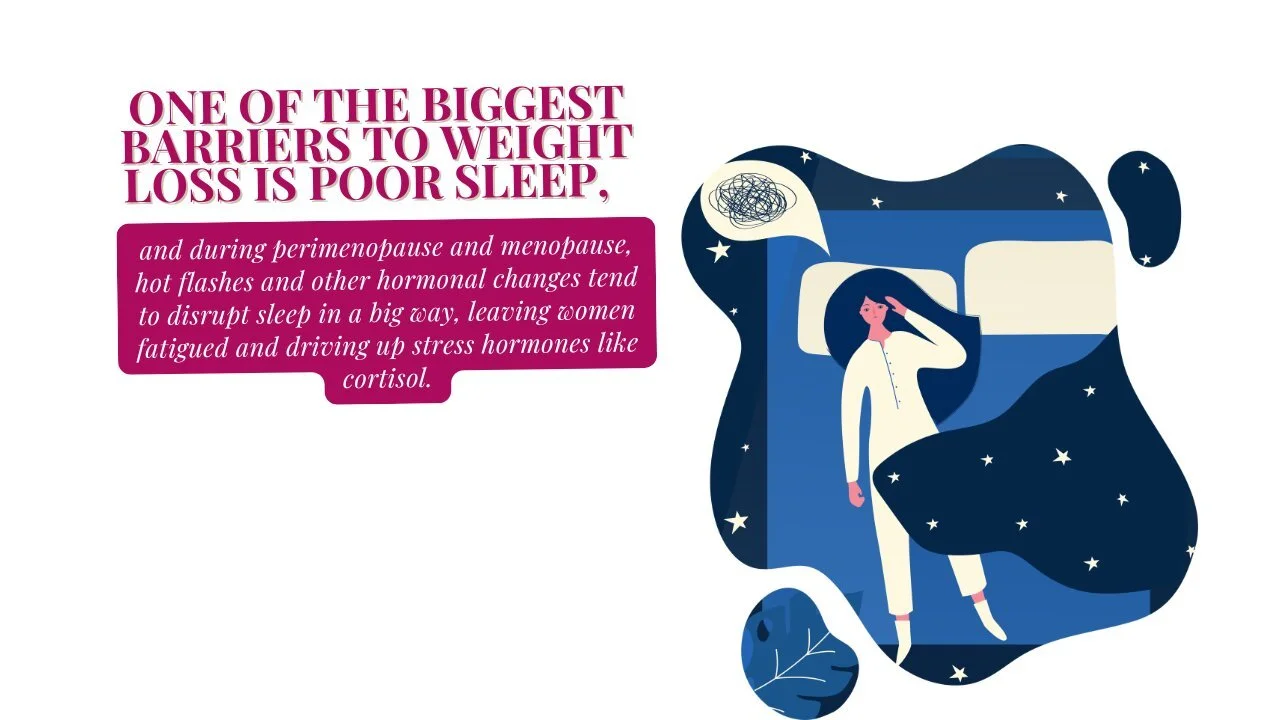
Emerging research suggests that hormone replacement therapy (HRT) and GLP-1 medications may actually work really well together during menopause, offering women another layer of support for both weight management and overall health. Early observational studies have found that postmenopausal women taking a GLP-1 medication who also used estrogen therapy lost approximately 16% more weight than those using a GLP-1 medication alone, and while that doesn't establish cause and effect just yet, it's honestly a pretty promising area of research. Beyond the numbers, though, a lot of women just report feeling better once their menopause symptoms are treated, and that alone can make it so much easier to stick with healthy habits. One of the biggest barriers to weight loss is poor sleep, and during perimenopause and menopause, hot flashes and other hormonal changes tend to disrupt sleep in a big way, leaving women fatigued and driving up stress hormones like cortisol. Poor sleep can also ramp up cravings, tank energy levels, and make regular exercise feel like way more of a struggle. By improving sleep quality and easing menopause-related symptoms, hormone therapy may help create an environment that's just more supportive of successful weight management overall.
There's also a big focus on protecting muscle and bone health throughout this process. As estrogen levels decline during menopause, women naturally lose muscle mass and become more vulnerable to osteopenia and osteoporosis, and since preserving muscle is so essential for metabolism, strength, and long-term mobility, it's a major consideration when treating obesity. The approach usually combines a few strategies at once: encouraging adequate protein intake, promoting regular strength training, and when appropriate, prescribing hormone therapy to help support bone health. For carefully selected patients, testosterone may also come into play to help preserve muscle mass. Rather than treating menopause care and obesity treatment as two separate issues, they're really seen as closely connected, since hormones influence sleep, mood, energy, metabolism, and body composition, and every one of those factors plays into a person's ability to manage their weight.
When women are sleeping better, have more energy, and aren't dealing with as much brain fog or mood disruption, they're just better equipped to make healthy food choices, stay active, and keep up the habits that support long-term weight management. Researchers are still working out the exact biological pathways linking hormone therapy and GLP-1 medications, but one thing is becoming pretty clear: for women who are good candidates for hormone replacement therapy, addressing menopause symptoms may actually strengthen how effective obesity treatment is overall. It's also worth reassuring anyone who worries that hormone therapy may lead to weight gain. Current evidence suggests the opposite may be true for a lot of patients, with hormone therapy potentially working alongside GLP-1 medications to improve both quality of life and weight-loss outcomes.
A Comprehensive Approach to Women's Health
Since incorporating menopause care into her practice, Dr. Glasnapp has seen a real difference in her patients' lives. Helping women lose weight is rewarding on its own, but addressing the hormonal changes that so often show up during perimenopause and menopause has allowed her to offer care that's way more comprehensive. For a lot of her patients, combining weight management, hormone therapy when it's appropriate, and personalized lifestyle guidance leads to improvements that go so far beyond the number on the scale, think better sleep, more energy, improved mood, and a greater overall sense of well-being.
Navigating the same stage of life as many of her patients gives Dr. Glasnapp a real understanding of what they're going through, and it makes it easier to build relationships where women feel comfortable sharing their experiences and asking questions without any judgment. Her philosophy centers on treating the whole person rather than zeroing in on one single intervention. Surgery, medication, hormone therapy, and lifestyle changes aren't competing options in her eyes, they're complementary tools that can be combined in whatever way makes the most sense for each individual.
This patient-centered approach reflects a bigger shift happening across obesity medicine as a whole. Instead of leaning on one treatment or a standardized, one-size-fits-all pathway, comprehensive care means actually considering each person's medical history, goals, symptoms, and preferences to build a strategy that's personalized for long-term health. At the end of the day, the most rewarding part of Dr. Glasnapp's work isn't just helping patients lose weight, it's helping them feel healthier, stronger, and more confident at every stage of life.
Curious how it all comes together, from surgery eligibility to the hormone-weight connection nobody really talks about? Hit play on the full episode, because this is one of those conversations where every piece builds on the last, and you won't want to miss a second of it.
More from The Dr. Francavilla Show:
Subscribe to The Dr. Francavilla Show on