
Food and Sugar Addiction with Dr. Vera Tarman
Could You Be Addicted to Sugar?
Ever told yourself you'd have just a few cookies, and then somehow the whole row was gone? Or put the ice cream back in the freezer, only to keep thinking about it until you finally gave in? If so, you're not alone, and today's guest says sugar and ultra-processed food can pull on the brain harder than willpower can handle. This week, we're digging into food and sugar addiction: what it actually is, how it differs from an eating disorder, which foods are the real culprits, and what helps: from support groups to GLP-1s.
Joining me is Dr. Vera Tarman, a Toronto-based physician specializing in addiction medicine, with a particular focus on food and sugar addiction. She's board certified by the American Board of Addiction Medicine and a fellow of the College of Family Physicians of Canada. Dr. Tarman is the medical director at Renascent, one of Canada's leading addiction treatment centers, and she also works with the Salvation Army's Concurrent Disorder Treatment Program, supporting patients managing both addiction and mental health challenges.
She's the author of Food Junkies: Recovery from Food Addiction and co-hosts the Food Junkies podcast, where she talks with leading researchers and clinicians about ultra-processed food, GLP-1 medications, sugar abstinence, and the neuroscience of cravings. She's also the founder of the free Facebook community Sugar-Free for Life Support Group: I'm Sweet Enough. You'll find all of those links in the show notes.
Ready to find out what's really behind the cravings? Keep reading for the full conversation with Dr. Tarman.
What Actually Makes Something an Addiction?
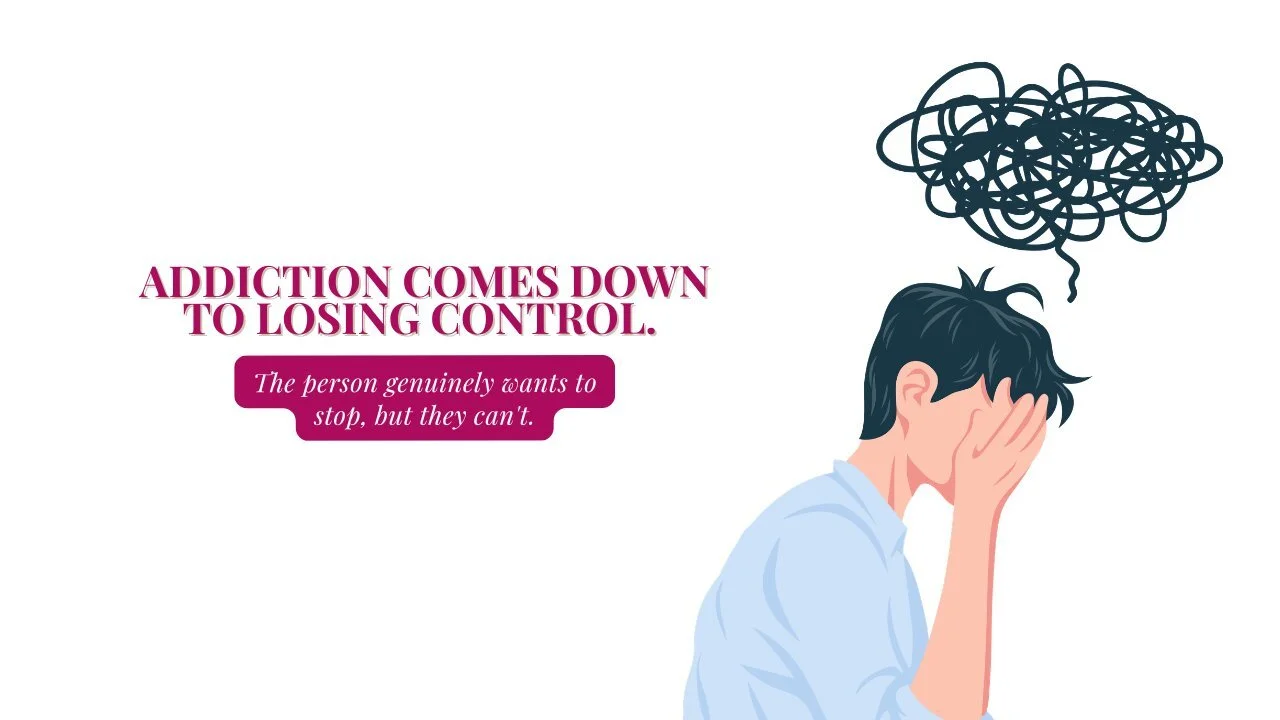
Before you can really talk about food or sugar being addictive, you have to get clear on what addiction actually means. Dr. Tarman lays it out pretty simply: it's when someone engages in a behavior or uses a substance compulsively, basically on autopilot, and can't stop even though it's causing real problems in their life. Clinicians have a whole roster of questions in the DSM-5 and the ICD that capture this, but the heart of it is a person who's fixated on something to the point where they can't control it, and when they genuinely want to quit, they just can't. If someone checks off most of those four or five criteria, that's where we start moving into addiction territory.
Here's the part that surprises a lot of people, though: it's not an on-off switch. Addiction is more of a progression, kind of like how we're now recognizing obesity as a chronic, progressive disease. The DSM-5 actually breaks it into mild, moderate, and severe, and a ton of people sit in that mild zone, meaning they use something recreationally but can put it down whenever they want. If you pictured a scale of one to nine, they'd be somewhere around zero to one. Technically you could argue that's on the spectrum, but when we say someone has an addiction, we're really talking about the moderate to severe end.
This is where sugar and food come in. Nobody would blink at the idea that someone can have the occasional drink, cigarette, or even something harder, and while that use might sometimes be harmful, if they can manage it, we wouldn't call them addicted. It's when they cross that invisible line, continuing despite the consequences and being unable to stop, that it becomes severe. Food follows the same logic. Eating a few too many chips doesn't mean you're addicted. But when you're eating and truly can't stop, even though it's hurting you, that's when it's become a real problem.
How to Tell If It's Food Addiction
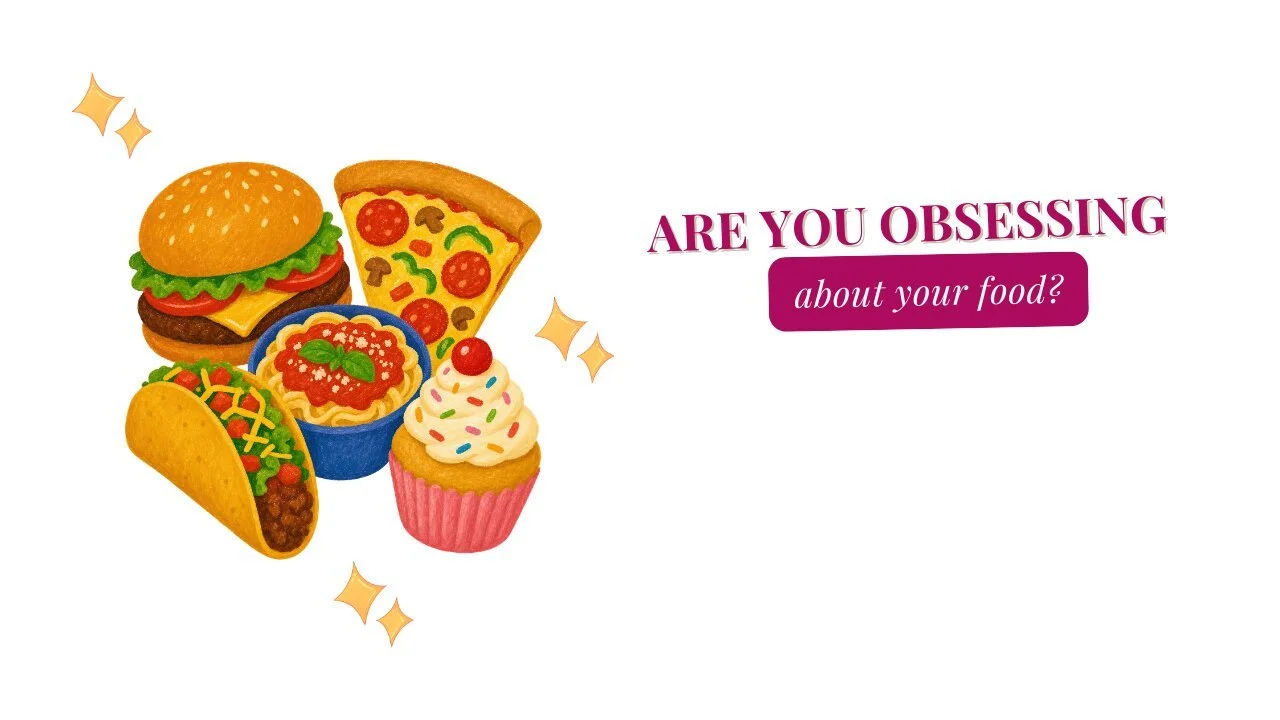
When someone comes in worried about their relationship with food, there are actually some formal tools for sorting it out. The Yale Food Addiction Scale (YFAS) is the big one, and it's peer-reviewed across countries, but it's pretty cumbersome, so it's not something you'd realistically pull out in a regular office visit. Other scales, like the UNCRATE, are used too, and they all basically try to capture one thing: are you obsessing about your food?
For a more practical gut check, there are a handful of questions worth asking yourself. Do you think about food, or one particular food, way more than seems appropriate, and would you go to any lengths to get it, even if the store doesn't carry it? Do you try to cut down and just can't, like planning on three or four cookies and ending up finishing the whole row, or even the whole bag? Do you hide food, downplay what you're eating, or deny it to yourself, maybe saying you have no idea why you've gained weight while skipping the part about the tub of ice cream every third night? Do you throw something out and then sneak back later to get it? And maybe the biggest one: do you keep going even after promising yourself you'll stop once you hit a certain weight or once pre-diabetes turns into diabetes?
If you're nodding along to about three of those, that's not a diagnosis, but it's a solid sign that it's worth looking into further. Think of it as a flag rather than a label, a nudge to dig deeper with a clinician who understands this area.
Food Addiction vs. Eating Disorders (and Why It's So Common Now)
A lot of what gets described as food addiction sounds a ton like binge eating disorder, and that overlap is the sticking point for clinicians working in this space. Food addiction isn't recognized in the DSM-5 yet, which matters because that manual drives medications, treatment, and research funding. Appeals keep getting made, and the response is usually that eating disorders already cover it. The counterargument is that these are related but distinct. An eating disorder is seen as a psychological way of handling food, through emotional eating or control, so working through the psychology with CBT, DBT, or intuitive eating can resolve it. Food addiction clinicians agree with all of that, but they add that certain foods carry an addictive hook of their own, specifically sugar, ultra-processed foods, and sometimes other carbs depending on the person, especially when insulin resistance is in the picture. The numbers back up the suspicion of overlap: eating disorders affect less than 10% of the population, while food addiction shows up in roughly 15% of the general population and around 30% of people with obesity.
Alcohol is a helpful comparison here. Plenty of people can have a glass of wine now and then and move on, while others have a brain that responds differently and they can never get enough, even as the consequences pile up. Food has a similar story, with the added wrinkle that everyone has to eat every day. Someone like Henry VIII probably had a food addiction, but it was rare because most people simply didn't have access to that much sugar.
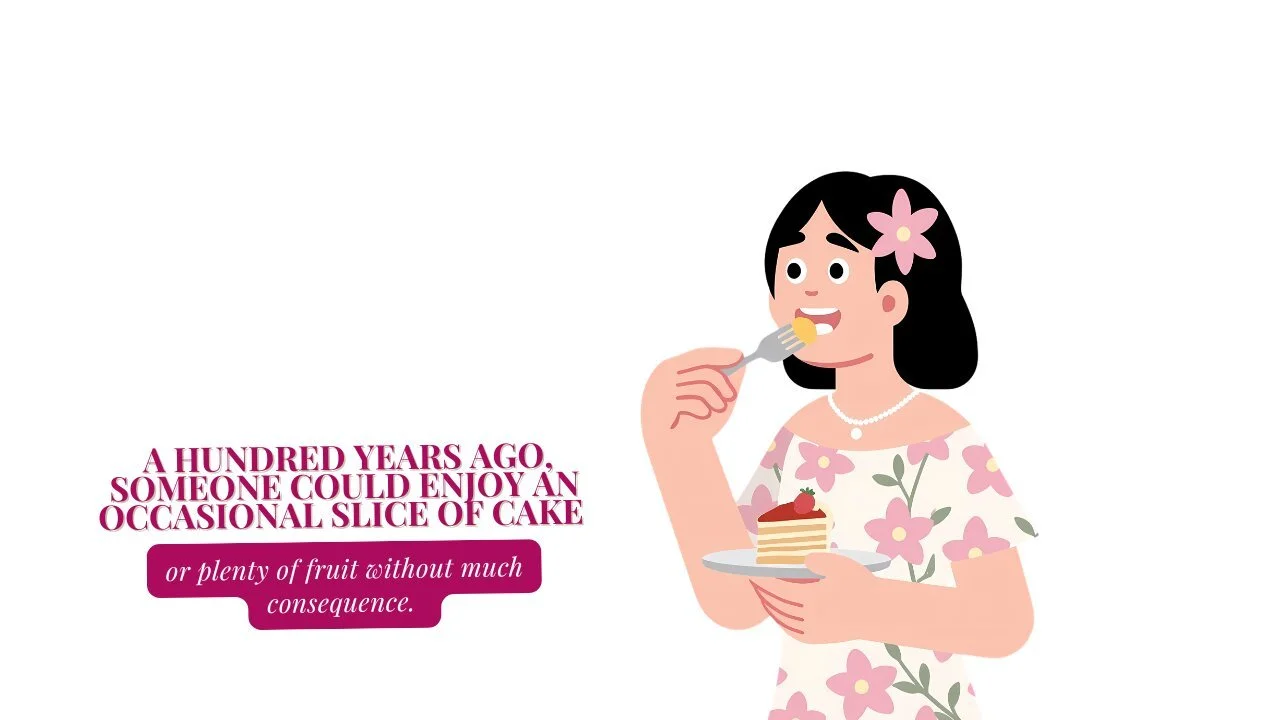
That access is really the "why now." Ultra-processed foods and refined sweeteners like corn syrup became ubiquitous around the 1970s, and the rise in obesity and diabetes followed, with food addiction as a likely third piece of that picture. A hundred years ago, someone could enjoy an occasional slice of cake or plenty of fruit without much consequence. Today it's not just genetics at play, it's the foods themselves driving insulin resistance and carb resistance, which can show up as an intense desire to eat. Put simply, this isn't about discipline. It's vulnerable brains meeting an environment full of foods designed to hook them.
Which Foods Are Actually Addictive?
When people talk about food addiction, they're not talking about real, whole food. Yes, we all have to eat, but nobody has to eat McDonald's, potato chips, candy, or soda. People who struggle aren't typically overdoing it on carrots or cheese, and no one shows up addicted to broccoli or chicken breast. The foods that cause trouble are almost always ultra-processed ones that were engineered to be addictive, and in this world, sugar and some of those products are even called "drug foods."
The reasoning is a lot like what happens with other substances. Alcohol is basically fermented sugar, so it's kind of sugar's big sister, and the two often go hand in hand. When you ferment grapes or corn, you pull the potent part out of a fairly benign plant and turn it into something much stronger. Tobacco and coca leaves work the same way: chewing the raw leaves gives a mild buzz, but it's the extraction and refining that make them addictive. The ultra-processed food industry does this with fructose, taking it out of something like an apple or an orange and concentrating it into something that hits very differently. That's why fruit isn't the issue here. It's the potency, plus the speed at which it reaches the brain. Something you have to chew and digest takes a while, but something you drink is basically instant, which is why soda is so tough for a lot of people to give up. You can get through two liters in a couple of hours, and the only thing faster than drinking sugar would be inhaling it, which is exactly what vaping does.
So the main culprits are ultra-processed foods, fast food, and concentrated sugar in forms you'd never find in nature. You can't pick gummy bears or Mountain Dew off a tree. Gummies are a perfect example: pure concentrated sugar with no fat, fiber, or other carbohydrates to slow it down or balance it out. Bottom line, it's less about food in general and more about how refined, potent, and fast-acting a particular product is.
What to Do About Sugar and Food Addiction
The first step is figuring out where someone falls on the continuum, because the approach changes a lot depending on the stage. Most people who eat ultra-processed food regularly are probably at least in the mild range: they could stop, they just don't want to because it's so tasty, so they're dealing with that tug of cravings but nothing devastating. At the other end is the severe stage, where someone is staying home, ordering in instead of going out, becoming too sick or gaining excess weight and not feeling well enough to leave the house. Everything that happens with other addictions happens here too, including pulling away from friends, and people at this end often die of a metabolic consequence like diabetes or a heart attack, even though it never gets labeled as food addiction.
For people on the milder end, the focus is education and moderation. This is a condition that builds over time: continually hyperstimulating the brain with a refined substance leads to insulin resistance on the body side (prediabetes, then diabetes) and to neuroadaptation on the brain side, including tolerance, where you need more to get the same effect. That progression is likely to continue if sugar is a daily or every-meal habit, and it moves faster with a family history of addiction or when someone leans on sugar to cope emotionally. So the tools are pacing, portion control, and getting support for any underlying issues, so you can still enjoy your favorite treats without sliding into the next stage. Moderation works for the roughly 70% of people who aren't in the food addiction group. But if someone is more of an all-or-nothing person, or if the idea of quitting makes them panic about getting through the night or a meeting, that signals dependence, and abstinence is the better route.
Abstinence has a cost, so it's worth weighing, but with support it's very doable. It doesn't mean eating less. People often eat more, just without the soda, candy, cake, and sugary cereal, even when they're not hungry. Expect a tough stretch of roughly two to three weeks, a lot like the "keto flu," which is probably partly sugar withdrawal. After that, many people feel better and less hounded by food, and the cravings fade, much like an ex-smoker who eventually isn't interested in cigarettes anymore. The big caveat is that this isn't about demonizing sugar. Ice cream once a week with your kids, or a sports drink during a long hike or race, is fine because it's intentional. The real question is whether it feels compulsive, like when you've put something away but can't stop thinking about it until you finally give in just for peace of mind. That's the kind of person this approach is for.
Food Noise, Cravings, and Getting Support
"Food noise" is a pretty new term, and it seems to have taken off with GLP-1s, especially tirzepatide. But food addiction clinicians have been describing the same thing for ages and just calling it cravings: that constant chatter of "Can I have it? Should I have it? Can I have more?" It's never about carrots or Brussels sprouts, it's a dopamine-driven call to eat particular foods. There's actually some gratitude for the new language, because it frames this as a hormonal, hedonic, neurochemical phenomenon instead of a character flaw. Both camps agree something real is happening in the body, and the food addiction view adds that the substances out there are helping create it. GLP-1s are one way of approaching it, and abstinence at the extreme end is another.
For someone who recognizes they have some level of food addiction and wants to deal with it, the tricky part is that addiction takes over the ability to control behavior, which is exactly what makes it so distressing. Handing someone a food plan, like keto or low carb with all the sugar removed, often ends with them coming back ashamed after two good weeks, because that approach leans on willpower, and addiction always beats willpower. Especially in the later stages, it's very hard to say no when the triggers are in your face all the time. So the environment has to be cleaned up as much as possible, and support becomes non-negotiable: groups, coaches, regular visits with a doctor, podcasts, whatever it takes to have a message that's as powerful as the food industry's. Food is also harder to avoid than any other substance, with ads everywhere and offerings at nearly every social setting. It's a bit like people in a treatment center who quit smoking but pick it up again when everyone around them is lighting up. We're just not that strong, and GLP-1s have shown it's not only about strength.
That's where structured support really shines. You can't afford a therapist three times a day, but you can have an accountability buddy or a sponsor you check in with daily, so you're not a lamb in a lion's den on your own. There are more than ten food addiction groups, with Overeaters Anonymous being the most prominent, plus Food Addiction Anonymous, Grey Sheeters Anonymous, and Low Carb Anonymous. Many offer a recommended food plan and a structured way of living that acts like guardrails, plus someone to help you strategize, like going to a wedding but taking photos instead of eating the cake. If 12-step isn't your thing, there are other options, including food addiction coaches who usually run groups where you check in weekly. Since we eat three times a day, the support has to be nearly daily too.
GLP-1s: Helpful Tool, Not a Full Solution
For food addiction clinicians, GLP-1s have been both gratifying and devastating. The gratifying part is that these meds validate what they've been saying all along: this is a real phenomenon. GLP-1s ease hunger to some degree, but they also dial down the enjoyment factor, making food feel less exciting, which fits with what's known about how they influence the brain's reward system. And that might be just the beginning of what there is to learn about how they work.
The devastating part is that when people can just take a drug, they usually will instead of therapy or changing their habits. It's a little like having your cake and eating it too, just with less cake, and that can work for a while. But there's a real worry about what happens if the medication stops working or someone goes off it without having used that window to move toward a healthier way of eating. If the diet is still full of soda, fast food, and other ultra-processed stuff, then the food industry gets let off the hook and not much has actually changed. There's also some concern that going on and off the medication could contribute to GLP-1 resistance, though that isn't something clinicians are necessarily seeing signs of yet.
That's why it matters so much to take these medications with real clinical support, ideally from someone providing dietary guidance, whether that's a dietitian or the prescribing clinician. The meds are powerful and can be a relief for people who've been white-knuckling it alone for decades, and they create a genuine opening to improve nutrition. But without counseling and coaching, someone could take the medication, keep the same dietary patterns, and not end up much healthier. In other words, the medicine works best as a way to make lasting changes easier, not as a replacement for making them.
There's a Happy Ending Here
The big message to leave people with is hope. For someone who doesn't want bariatric surgery or maybe even medication, cutting out sugar and refined carbohydrates can put an end to the yo-yo dieting cycle and the food noise. It isn't instant, and it usually takes a few weeks to get past the rough patch, but the payoff is bigger than just the scale. People tend to notice more mental clarity and better overall mental health, which makes sense since these foods are hard on the body and the brain.
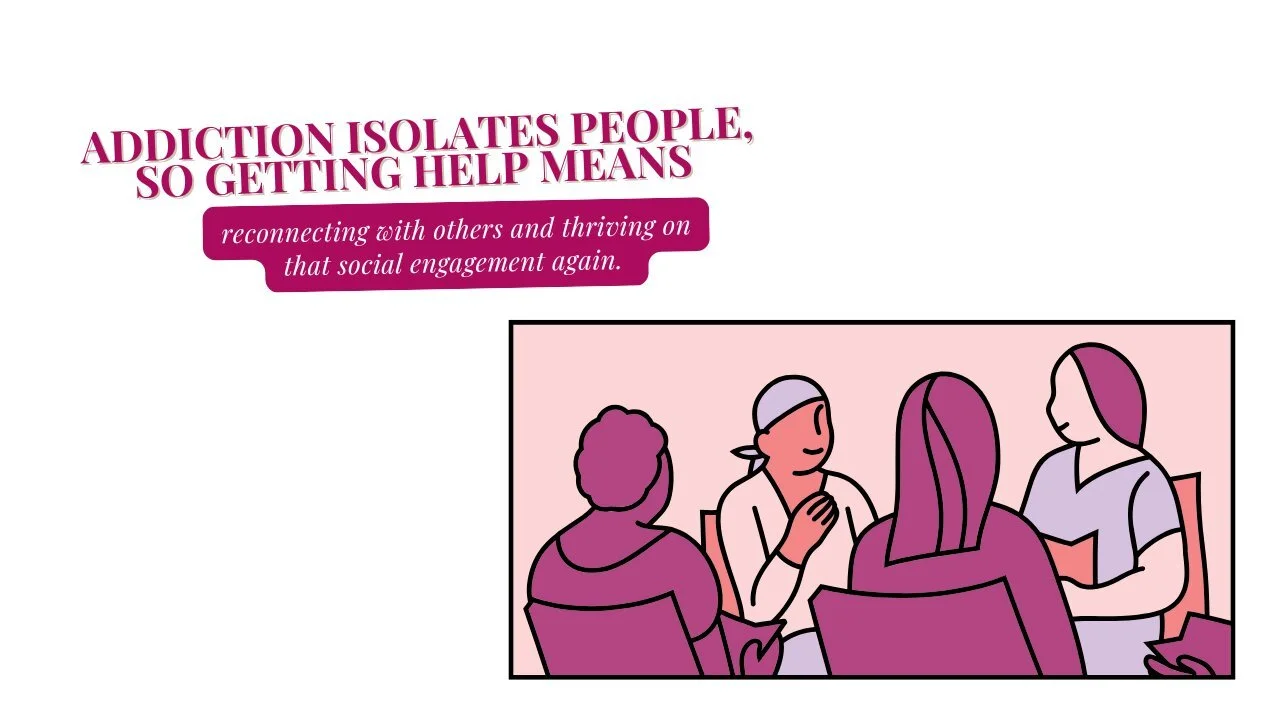
The stretch after that is where support really matters, and it turns out to be good for you in its own right. Addiction isolates people, so getting help means reconnecting with others and thriving on that social engagement again. So the real picture is a short period of discomfort, carried through with support, followed by a much better place on the other side.
That said, diet and behavior change doesn't need to be an either-or with medication. Plenty of people do all the work, treat their binge eating, change their relationship with food, and eat really well, yet they still don't lose much weight, maybe just five or ten pounds, which isn't enough for their health goals. Because weight loss is genuinely hard, some of those people do end up needing a medication on top of what they've already built. These tools work best together: the strategies absolutely work and are worth exploring, and collaborating with a clinician on medication when it's needed makes sense, since the meds aren't great on their own.
That's only a glimpse of what Dr. Tarman shares. For the full conversation, from recognizing the signs to what a sugar-free reset actually involves, listen to the whole episode.
More from The Dr. Francavilla Show:
Subscribe to The Dr. Francavilla Show on