
Is forest bathing just a wellness trend, or is there real science behind it?
The answer is a bit of both. Forest bathing means spending calm, intentional time among trees, and it costs nothing, needs no equipment, and carries almost no risk. No supplements, no subscriptions, no complicated routine. Just you, some trees, and a slower pace.
The practice was popularized by Dr. Qing Li, a physician and researcher in Japan, who has studied how time among trees affects the body. His work, along with similar studies, links forest bathing to lower stress, better mood, and possible benefits for heart and immune health. Even a view of greenery from a hospital window has been tied to quicker recovery. It sounds almost too easy, which is exactly why it’s worth a closer look.
The evidence is encouraging but not conclusive, and this guide treats it that way. You’ll find what the research shows, why nature may affect both body and mind, how to practice with your five senses, and how to fit in a little green when your schedule is packed.
Ready to see what forest bathing can do for you? Keep reading to learn how to start.
Forest Bathing: What It Is and What the Research Shows
What even is forest bathing? No, you don’t have to strip down and roll around in the dirt, and you definitely don’t have to hug a tree (though, no judgment if you want to). It’s really just a fancy name for spending calm, intentional time in nature, especially around trees and plants. The practice was popularized by Dr. Qing Li out of Japan, and much of the supporting evidence comes from observational, population-level studies, which show associations rather than proof of cause.
He noted that after millions of ash trees were lost to a pathogen in Japan, the surrounding area saw more cardiovascular deaths and respiratory infections, while Portland, Oregon saw reduced cardiovascular mortality after 30 years of a tree planting initiative. A Toronto study linked 11 more trees per block to lower rates of hypertension and obesity, an effect comparable to a $20,000 raise. Even if circumstantial, that’s pretty wild data!
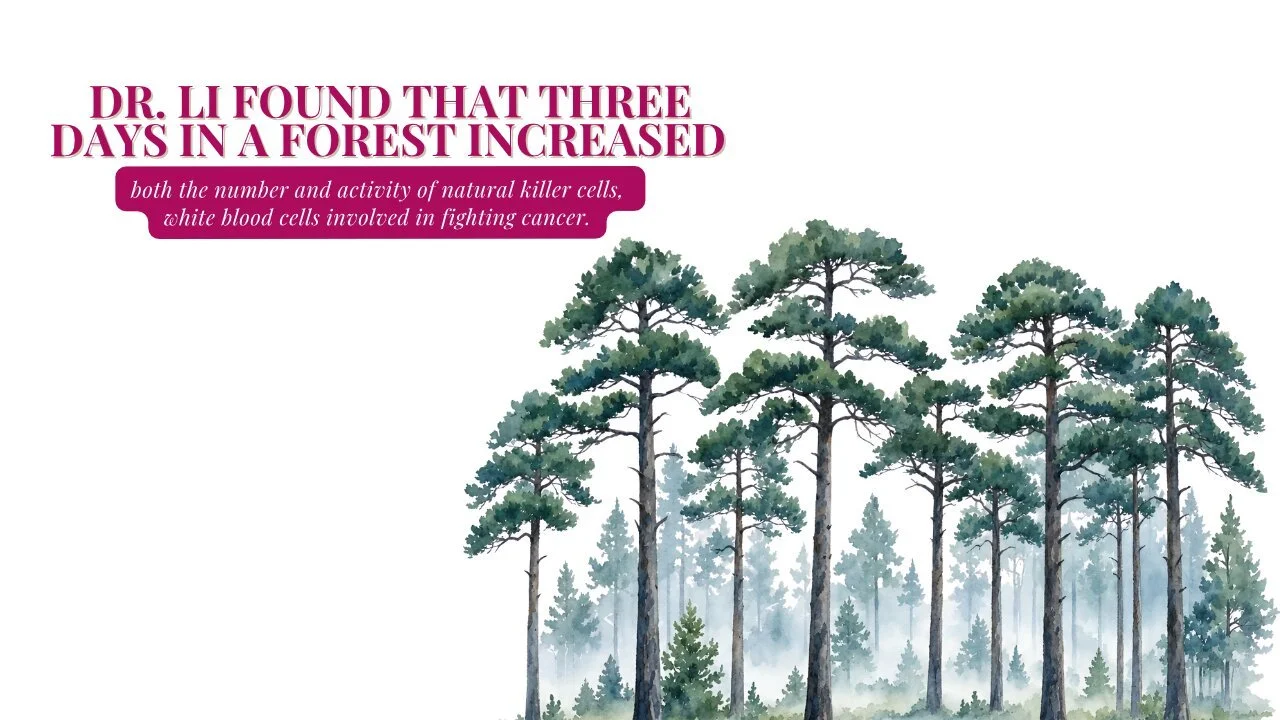
Beyond the public health numbers, there’s some interesting research on what happens to us individually. Dr. Li found that three days in a forest increased both the number and activity of natural killer cells, white blood cells involved in fighting cancer. That doesn’t prove forest time prevents cancer, but it hints that being around trees may support the immune system. Other studies found about a 20% memory improvement after a nature walk compared to a busy city walk, and over a 50% improvement in creativity and problem-solving after time in nature. A February 2026 meta-analysis in Frontiers in Psychology also found mild improvements in heart rate, tension, anxiety, and depression.
Let’s keep it real: forest bathing isn’t a miracle cure. Researchers see it as a complementary practice, not a replacement for treating heart disease or mental health conditions. Most benefits were measured right after the experience, so we don’t yet know how long they last. Still, it’s low-risk and accessible, so if a slow, phone-down walk among the trees appeals to you, go for it, with bug spray, a weather check, and your regular medical care.
How Trees Benefit Health: Cleaner Air and Biophilia
Trees do a lot more than look pretty. They produce the oxygen we breathe, and their leaves help capture particulate matter and absorb pollutants from the air. That matters because poor air quality is a known risk factor for both heart and lung disease, so having more trees around, especially in urban areas, can help reduce that burden. It’s a well-established piece of the puzzle and a solid reason to support green spaces in our communities.
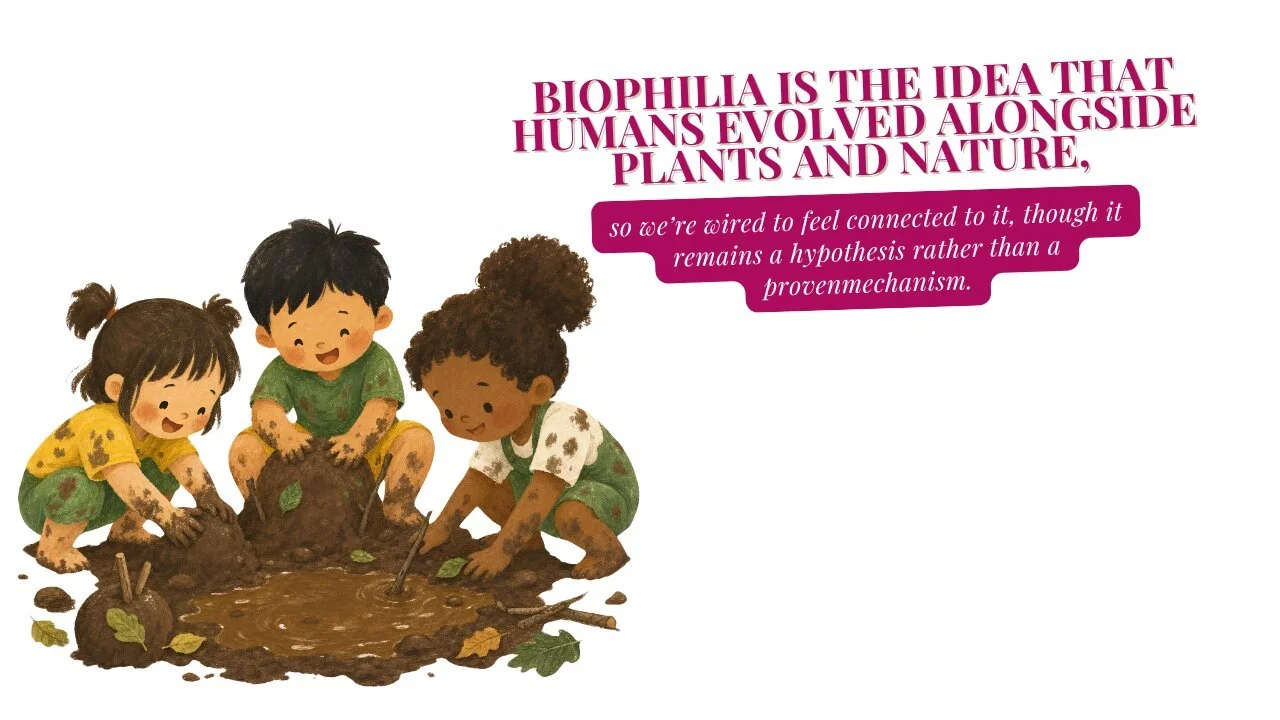
Cleaner air doesn’t explain everything, which is where biophilia comes in. The concept emerged in the 1980s and is credited to biologist E.O. Wilson. The idea is that humans evolved alongside plants and nature, so we’re, like, wired to feel connected to it. Plants signaled water, and water meant survival and animals to hunt, so people naturally gravitated toward green, thriving places. It might sound a little woo, but it feels intuitive: many of us are drawn to forests, scenic hikes, and quiet walks.
It’s worth keeping the evidence in perspective, though. Biophilia is a hypothesis, not a proven mechanism, and it’s hard to separate the effect of trees from everything else that comes with being outdoors, like gentle exercise, less screen time, and a slower pace. The practical takeaway doesn’t depend on figuring that out. If you already enjoy nature, there’s little downside to doing it more intentionally, as a feel-good addition alongside sleep, movement, good nutrition, and regular medical care.
Phytoncides, Soil Microbes, and the Calming Effect of Nature
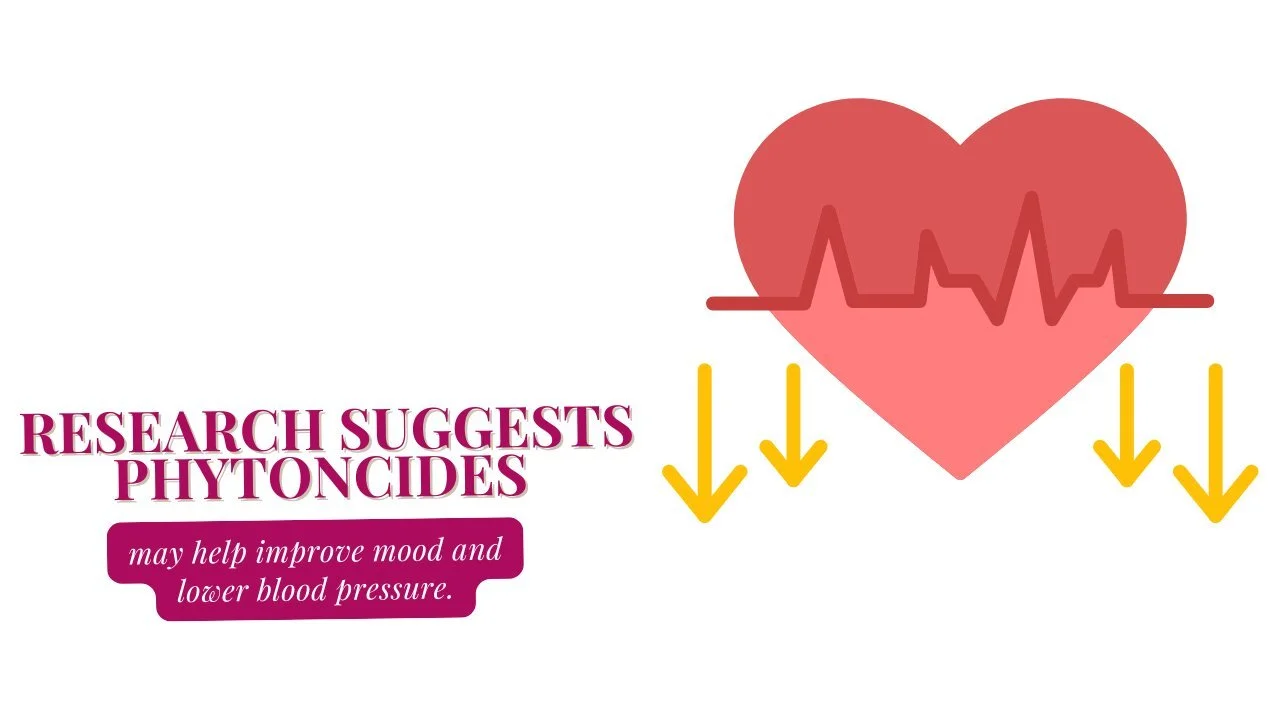
Beyond cleaner air, researchers point to two main ideas for why forest bathing might be good for us: biochemistry and calm. Let’s start with biochemistry. Plants make natural oils called phytoncides, which protect them from hungry animals, bacteria, and fungi, and even help them communicate. They’re the compounds you smell when you walk past a pine tree and think, “Ooh, that smells amazing.” Research suggests phytoncides may help improve mood and lower blood pressure. When diffused as essential oils in some workplaces and hospitals, they were linked to lower stress and higher energy.
The other half of the biochemistry story is hiding in the dirt. Soil contains all kinds of microbes, and one in particular, Mycobacterium vaccae, has been associated with feeling more positive and energized. So if you know a serious gardener who raves about “dirt therapy,” there may be something to it! This research is still fairly early, so I wouldn’t treat soil as medicine, but it fits with the idea that humans evolved alongside nature.
The second main idea is simpler, and just as valid: nature is calming. Many people feel more peaceful just looking at beautiful scenery, sitting under trees, or admiring a flower arrangement, and that mental reset is a real benefit when stress is part of daily life. It’s hard to tease apart how much comes from the chemicals, the microbes, or the pretty views, and it’s likely a mix of all three. You don’t need to figure it out to enjoy it, so a slow walk, some garden time, or a few plants by your window is an easy, low-risk way to support your well-being.
Views of Nature and the Risks and Benefits of Time Outdoors
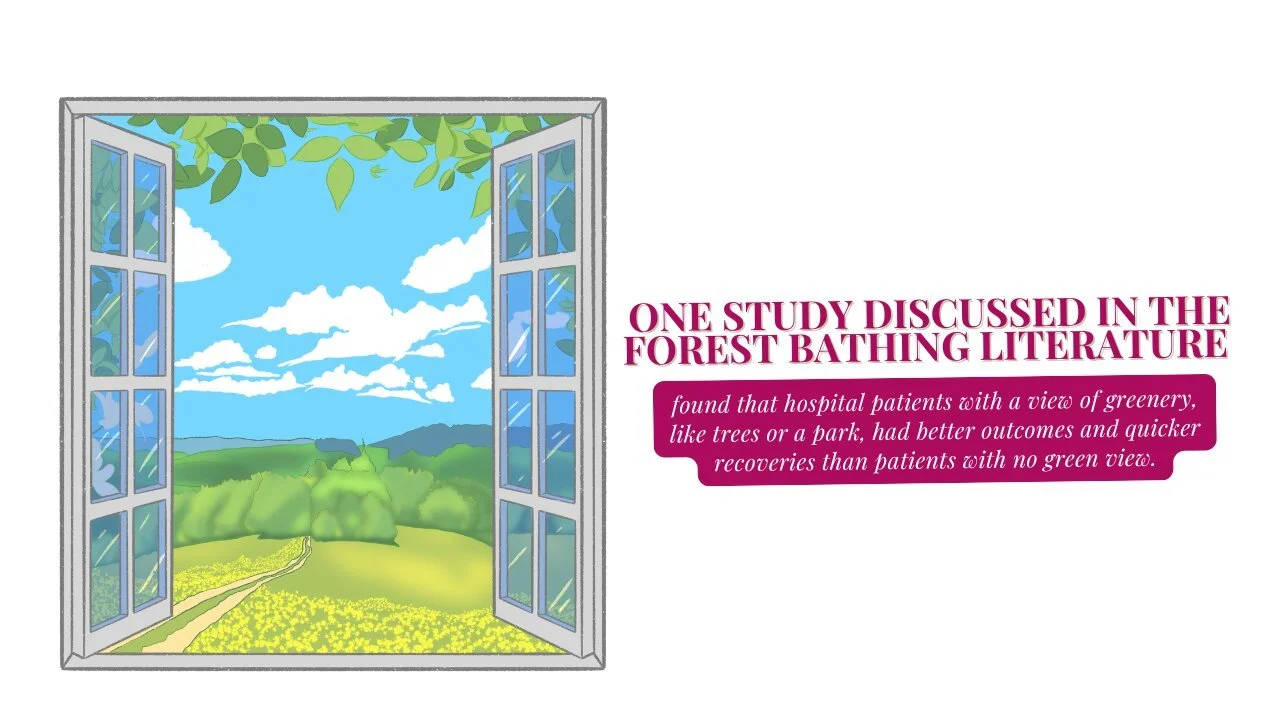
Here’s something that might surprise you: you don’t even have to be in the forest to get a benefit. One study discussed in the forest bathing literature found that hospital patients with a view of greenery, like trees or a park, had better outcomes and quicker recoveries than patients with no green view. That’s a big deal for something as simple as what you see out of a window! It matches what most of us feel instinctively, since most people pick a mountain, ocean, or tree view over a cityscape. If you have the option, choose the nature view, and get some daylight and greenery into your day however you can.
Now, a quick reality check, because good health advice should be based on evidence and not just vibes. The evidence that time in nature helps is encouraging, but not as strong as what we’d want before recommending, say, a medication. That’s where weighing risk against benefit comes in. The risks are small and mostly common sense: sunburn, tripping over a branch or rock, a falling limb, a surprise bird dropping, or occasionally dangerous wildlife. You can reduce nearly all of them by choosing safer places like a park or flat, well-kept path, and by wearing sunscreen and sturdy shoes and, like, paying attention to the weather.
When you stack those minor risks against the potential benefits, the math looks pretty favorable. Sitting in a park or taking a slow walk on an easy trail costs little, and gentle outdoor movement is good for you whether or not forest bathing has perfect data behind it. If you already enjoy nature, this is your sign to do it more, and if it’s been a while, consider this your friendly excuse. Start small, with a lunchtime walk or a seat by the window, and treat it as an addition to sleep, movement, good nutrition, and your usual medical care.
How to Practice Forest Bathing Using Your Five Senses
You’re sold on the idea, and now you’re wondering how to actually do it. The good news is that it’s way easier than it sounds. First, find a spot with trees and plants. If you live near a forest, awesome, but a neighborhood park or a tree-lined street totally counts. For the full experience, people suggest setting aside about one to three hours, but shorter stretches can still help, so even a lunchtime stroll is a great place to start.
Once you’re there, the heart of the practice is using your five senses slowly and on purpose, which is really just mindfulness out in nature. Notice the shapes, colors, and filtered sunlight; listen for birdsong, a breeze, or crunching leaves; and take deep breaths to enjoy the scent of the trees, the aromatherapy of those phytoncides. Then touch a leaf, rub a pine needle between your fingers, or sit on the ground and feel connected to your surroundings. For taste, just notice how crisp and clean the air feels, and don’t eat anything you find unless you’re properly trained in foraging. This calm, methodical approach is what sets forest bathing apart from a workout, since mindfulness itself is linked to less stress and better sleep.
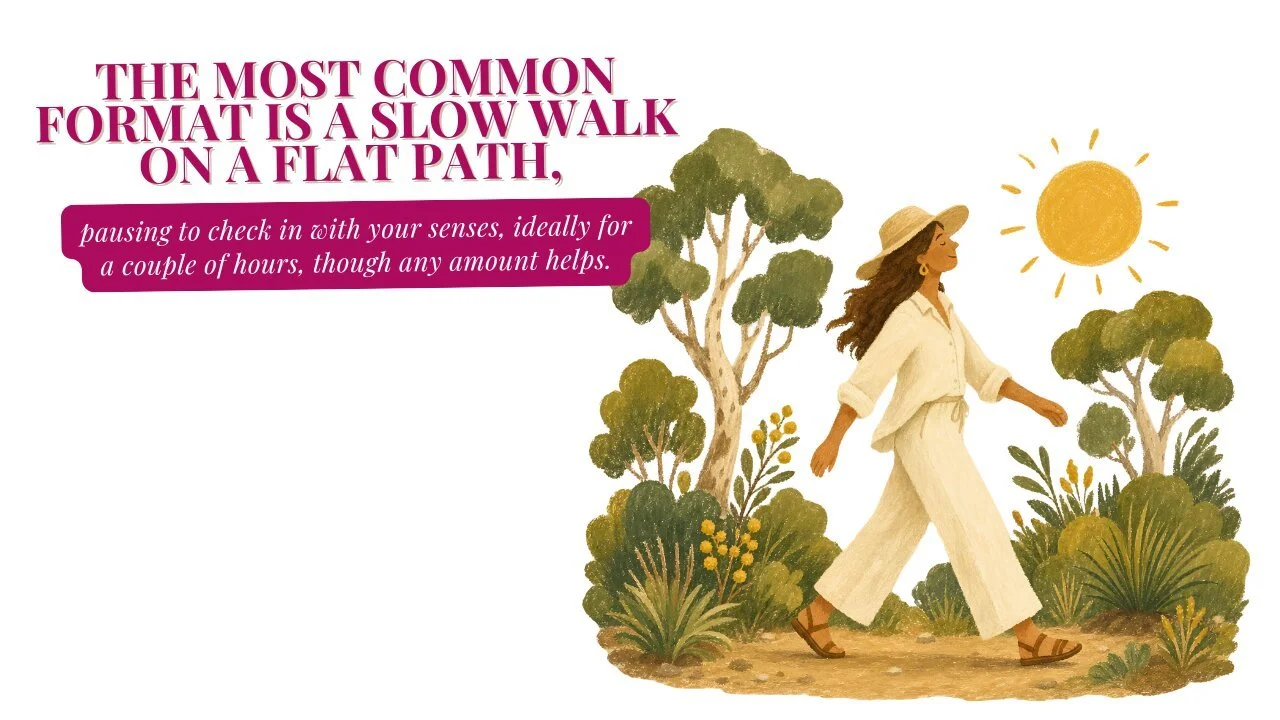
The most common format is a slow walk on a flat path, pausing to check in with your senses, ideally for a couple of hours, though any amount helps. You can also try yoga in a park, bring tea or a picnic, or soak in a hot spring if you have access, which is popular both in Japan and my home state of Colorado! What matters is that you’re going into nature on purpose to connect and be present, and you may also get cleaner air and plant chemicals that seem to support nervous system regulation. Keep the basics in mind, like sunscreen, sturdy shoes, and a safe location, and remember this complements your regular health rather than replacing it.
Everyday Ways to Bring Nature Into Your Home and Routine
Let’s be real: not everyone has a forest down the street. The good news is that you don’t need to forest bathe every single day to get something out of it. Even an occasional outing, like once a month, can be worthwhile, so don’t feel like it doesn’t count if a trip to a park or trail only fits your schedule now and then. Think of those outings as a nice bonus, and focus on small, doable habits for the days in between.
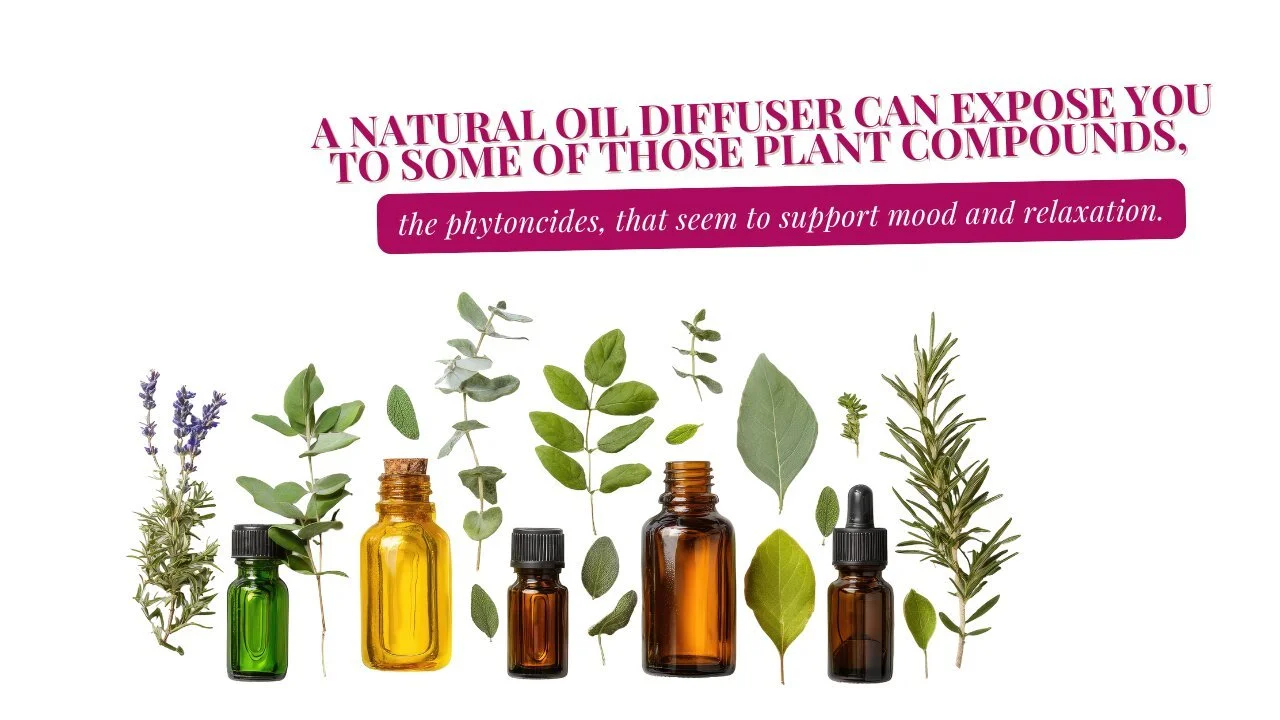
For everyday life, a natural oil diffuser can expose you to some of those plant compounds, the phytoncides, that seem to support mood and relaxation. Houseplants are another option, and NASA (yes, that NASA)’s well-known air-cleaning list is easy to sort into three groups:
Easy leafy greens: peace lily, golden pothos, English ivy, spider plant, and mother-in-law’s tongue.
Flowering plants: chrysanthemum, gerbera daisy, and azalea.
Palms and foliage: bamboo palm and red-edge dracaena.
Fair warning: the evidence that houseplants meaningfully purify the air in a typical home is limited, so think of them as a calming bonus. If you have pets, note that many on the list, like pothos, peace lily, and azalea, are toxic if nibbled, while spider plant, bamboo palm, and gerbera daisy are generally considered pet-safe.
The big takeaway is that nature doesn’t have to be a major production. A diffuser on your desk, a spider plant by the window, or a quick walk around a green park are all easy, low-risk ways to add a little calm to your routine. And if you’re not exactly a plant person, no stress: pothos and spider plants are known for being forgiving. Just remember these are feel-good extras that work best alongside good sleep, regular movement, balanced nutrition, and your regular medical care.

Quick Nature Breaks for People Short on Time
If a full forest bathing session just isn’t in the cards, you can still get a little nature into your day. Try taking a couple of minutes to look at a plant in your home or office, slowly and on purpose, like a mini mindfulness break. And if you don’t have a scenic view, like if you’re surrounded by skyscrapers or stuck in a windowless basement clinic, pictures can help too. Hang up some naturescapes, whether that’s trees, a mountain view, or a beach, and choose images you genuinely connect with. Research on views of greenery suggests there’s something to this, and even if a photo isn’t quite the same as the real thing, a calming image is a simple pick-me-up that costs next to nothing.
It also helps that the risk-benefit picture is so favorable. Enjoying a park or spending time around trees is essentially free, and the risks are the same small, manageable ones as any outing in nature: sunburn, a trip over a root, or an unexpected encounter with wildlife, all of which you can reduce with sunscreen, sturdy shoes, and a safe location. On the benefit side, the research points to possible improvements in emotional regulation, concentration, cardiovascular health, and immune function. To be clear, the evidence is encouraging rather than conclusive, and these habits are meant to complement, not replace, treatment for any medical or mental health condition.
So if you already like nature, consider this your gentle nudge to get back out there. You don’t need a perfect plan or a big chunk of time. A mindful walk among trees, a few quiet minutes with a houseplant, or a nature photo above your desk can each be a little reset in the middle of a busy day. Start with whatever feels easiest, keep it low-pressure, and let it sit alongside the basics like sleep, movement, good nutrition, and regular medical care. Honestly, it’s, like, one of the easiest feel-good habits you can add to your routine.
Forest bathing won’t replace medical care, but it offers a simple, low-risk way to support your well-being. Whether you have a full afternoon among the trees or a few quiet minutes with a houseplant, any time in nature is a good place to start.
Looking for the science behind the practice? Explore the evidence, expert advice, and personal stories that bring the topic to life in the full episode.
More from The Dr. Francavilla Show:
Subscribe to The Dr. Francavilla Show on