
Getting Rid of Overwhelm with Tips for 4000 Weeks: Time Management for Mortals
Ever feel like time is slipping through your fingers, no matter how hard you try to keep up?
As 2025 comes to a close, it’s the perfect moment to pause and think about entering 2026 with intention, without the usual pressure of rigid resolutions or endless to-do lists. In past years, conversations around SMART goals, structured plans, and New Year’s resolutions were always front and center. But this year, my reflection kept circling back to something different: a mindset shift that feels way more human and sustainable.
Earlier this year, I picked up a book that has quietly reshaped how I (and many people I’ve shared it) with view time, productivity, and priorities. Four Thousand Weeks: Time Management for Mortals by Oliver Burkeman isn’t your typical productivity guide. It’s not about squeezing more into your calendar or hacking every hour of the day. Instead, it challenges the constant pressure to do more, optimize everything, and stay endlessly “on top of things.” Its lessons aren’t seasonal; they work whether it’s January, June, or December.
In this episode, I wanted to share ten key mindset shifts inspired by the book that can actually help reduce stress, ease overwhelm, and bring focus back to what really matters. These aren’t about getting more done; they’re about getting honest with your time, prioritizing what counts, and approaching life with a little more clarity, compassion, and, well, humanity. Whether it’s slowing down, saying no, or embracing imperfection, these ideas can help carry us into 2026 in a way that feels grounded, intentional, and truly human.
Stop Trying to Do It All
Here’s the first, big idea from Four Thousand Weeks—our time is totally limited. On average, we get about 4,000 weeks in life, which honestly feels way shorter than most of us like to admit. Thinking about mortality can be uncomfortable, sure, but actually facing it gives us a huge advantage. As a doctor, I see every day how quickly life can change, and it really drives home that we can’t just assume there’s endless time. No matter what anyone believes about what comes after this life, our physical time here is limited—and that makes how we spend it kind of a big deal.
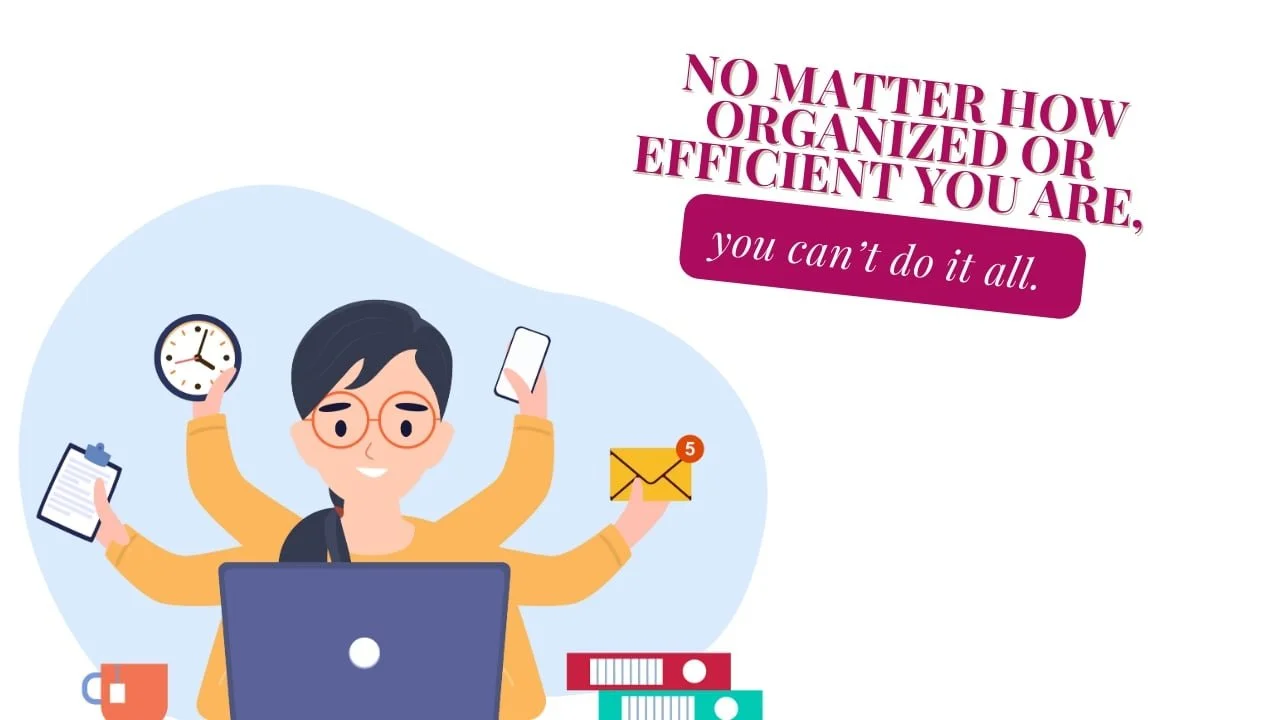
The author Oliver Burkeman used to be all about productivity hacks and checking off every item on his to-do list, but he realized something important: those hacks don’t solve the fundamental problem that time is finite. No matter how organized or efficient you are, you can’t do it all. Emails pile up, to-do lists never end, and all the trips, projects, or experiences you want to chase? Yeah, some of them just won’t happen. Trying to conquer everything only adds stress and honestly makes life feel overwhelming.
So here’s the takeaway: stop trying to do it all. Accept your limits, and be intentional about where you put your energy. Focus on what truly matters—your health, relationships, passions—rather than getting trapped in every little task or distraction. Realizing you can’t do everything is actually freeing. It lets you slow down, enjoy the moment, and spend your time on what genuinely enriches your life. Life is short, but when you focus on what counts, it can still be extraordinary.
Let Go of the “Always Behind” Trap
The second one builds on that idea, and it’s a big relief for a lot of people to hear: you’re not actually behind. One of the key takeaways from Four Thousand Weeks is that so many of us walk around feeling like we’re constantly playing catch-up. My patients say this all the time—between endless emails, work deadlines, workouts they meant to do, kids’ activities, and everyday responsibilities, it can feel like there’s never enough time. That sense of being “behind” isn’t just stressful; it’s mostly a mindset shaped by a culture that promises there’s a future moment when everything will finally be done. Spoiler alert: that moment doesn’t exist.
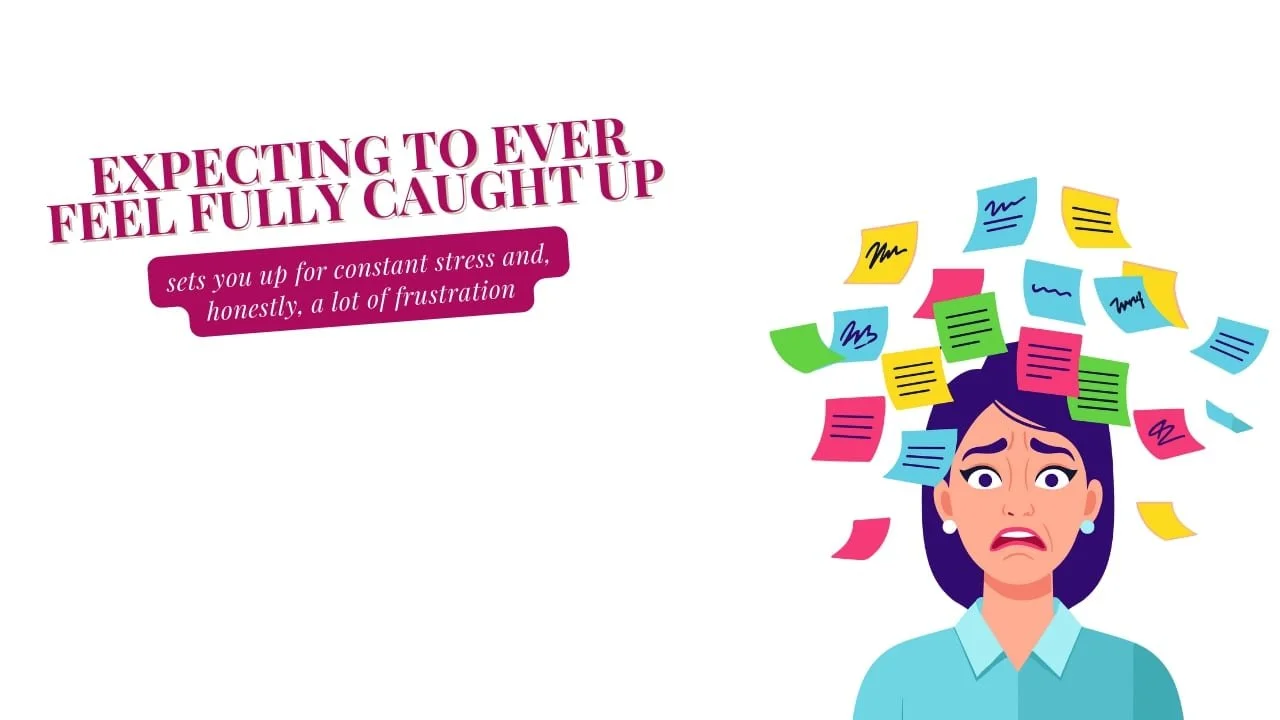
The reality is that there will always be more tasks, more responsibilities, and more things asking for your attention. Expecting to ever feel fully caught up sets you up for constant stress and, honestly, a lot of frustration. The freeing part comes when you realize that a full inbox, unfinished chores, or open projects are just part of being human. They’re not a personal failure. Once you accept that, you can let go of the pressure to do everything right now and start focusing on what actually matters, approaching your work and life in a way that feels intentional instead of frantic.
Letting go of the “always behind” trap isn’t about slacking off or ignoring responsibilities. It’s about being realistic and recognizing that life is an ongoing flow of tasks and opportunities that never truly ends. Feeling “ahead” is usually temporary, so chasing that feeling just keeps you stuck. When you release that pressure, you make room for calm, reduce stress, and start living in the present. It’s about doing what counts, focusing on what matters, and giving yourself permission to be human in the process.
The Power of Saying “Enough”
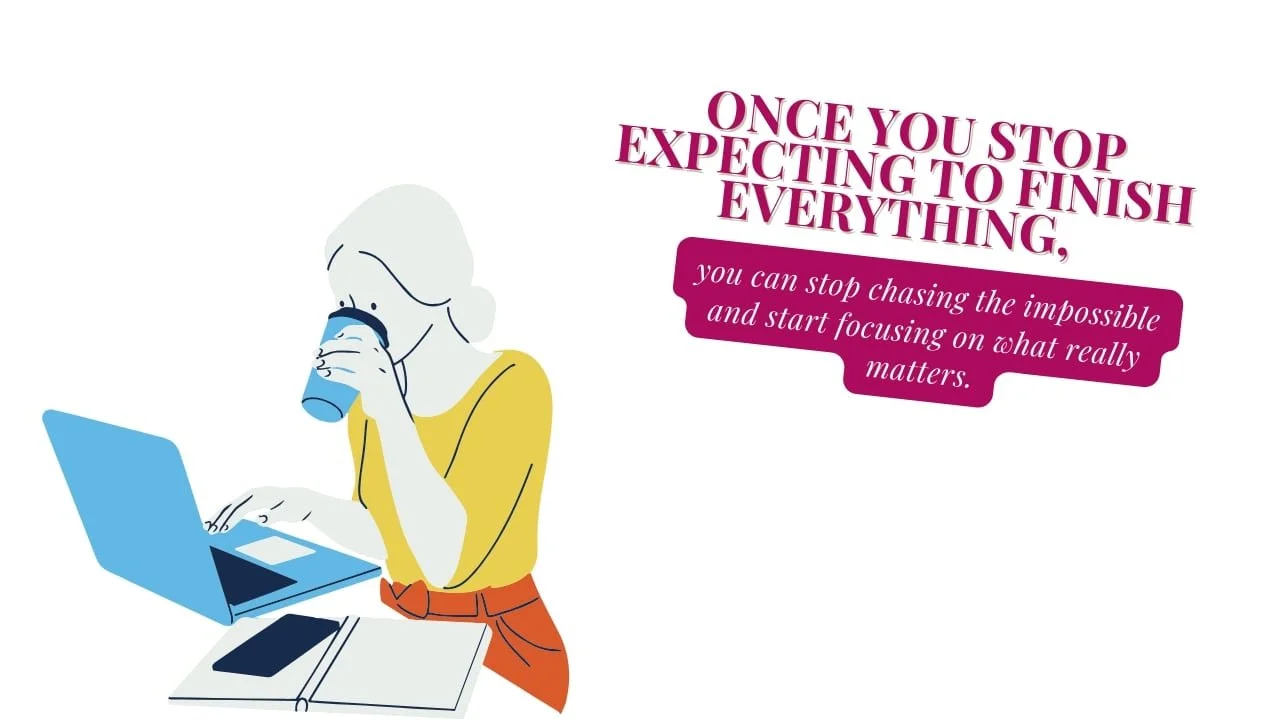
The third takeaway brings things a step further and asks a hard but freeing question: what if the work is never actually done? One of the biggest lessons from Four Thousand Weeks is that there will always be more emails to answer, more tasks to tackle, more people asking for your time, and more opportunities to do “just one more thing.” Accepting this can feel uncomfortable at first, but it’s also incredibly liberating. Once you stop expecting to finish everything, you can stop chasing the impossible and start focusing on what really matters.
This is where perfectionism quietly causes a lot of damage. When everything feels like it has to be done perfectly, it becomes almost impossible to ever stop. The reality is that time is limited. You get 24 hours in a day, and a good portion of that needs to go toward sleep, rest, and the things that actually keep you well. To-do lists don’t disappear just because you worked harder today, so holding yourself to impossible standards only keeps you stuck and stressed.
The real power comes from setting boundaries and deciding when “good enough” is truly enough. Letting go of perfection doesn’t mean lowering your standards; it means choosing where your energy actually belongs. When you decide when to stop, you protect time for relationships, health, and work that genuinely matters. That’s how you reclaim control, reduce overwhelm, and make space to enjoy life instead of constantly feeling like you’re falling behind.
Messy Action Beats Waiting for Perfect
The fourth idea builds on knowing when to stop and takes aim at perfectionism. One of the biggest lessons from Four Thousand Weeks is learning to let go of the need to do everything perfectly. So many people, my patients included, get stuck believing that a project, a diet, a routine, or even small everyday tasks have to be flawless before they count. The problem is that perfect doesn’t actually exist. Chasing it drains time and energy and often turns into a subtle form of procrastination.
A simple example from my own life makes this really clear. I’m about to send out my Christmas letters, and yes, there are typos. I could spend hours fixing every detail, but that would take time away from things that matter more right now. The letters still do what they’re meant to do. They’re meaningful, personal, and human. And that’s the point. Sometimes good enough is genuinely enough.
Messy action beats waiting for perfection every time. Getting something done at ninety percent, or even sixty percent depending on the situation, can be completely appropriate. Perfectionism slows progress, adds stress, and pulls attention away from what actually matters. Letting go isn’t about lowering standards. It’s about being intentional with your energy, taking action even when things aren’t polished, and redirecting your time toward what truly adds value to your life.
Why Doing More Isn’t Always Better
The fifth idea challenges the belief that being more productive will somehow solve everything. One of the key lessons from Four Thousand Weeks is that productivity alone won’t save you. The book might sound like it’s about time management, but it’s really about recognizing that no matter how efficient you become, there will always be more to do. Tasks, emails, and requests don’t slow down just because you work faster. Chasing the idea of “doing it all” often just keeps you stuck in motion without real progress.
Burkman illustrates this perfectly with his experience managing email. He tried responding quickly to everything, thinking it would help him stay on top of his workload. Instead, it backfired. The faster he responded, the more people engaged, asked questions, and created new tasks for him. His effort to be efficient actually expanded his workload. I noticed the same thing when I took a three-week break from work and set up an automatic email response. When I came back, it was clear that most of the emails I normally handled immediately weren’t truly urgent. By responding right away, I had been unintentionally creating more work for myself.
This idea reframes how we think about efficiency. Doing more, faster, doesn’t automatically lead to better outcomes. In many cases, it increases stress and expectations without adding real value. The real shift comes from being selective about where your attention goes. When you stop trying to respond to everything and instead focus on what actually matters, your work becomes more meaningful and far more sustainable. Choosing depth over constant responsiveness is what helps prevent burnout and makes the time you spend actually count.
A Meaningful Life Requires Saying No
The sixth idea centers on choice—and how too many options can quietly drain our time and energy. In today’s world, we’re surrounded by endless possibilities. The internet makes it easy to compare everything, from dating apps and doctors to books or vacation spots. While all that choice sounds great in theory, it often leads to analysis paralysis. We can spend months, or even years, searching for the “perfect” option, when the truth is that it may not even exist. Waiting for it just eats up our already limited time.
One exercise from Four Thousand Weeks really brings this into focus. You write down the top 25 things in your life—your values, priorities, and what truly matters—then narrow that list down to your top five. Those five become your real commitments. The other twenty aren’t bad, but they are distractions that pull attention away from what actually counts. When I tried this, I didn’t even need all 25. I quickly narrowed things down to seven or eight, and my top five became a clear guide for decision-making. Every task, project, or opportunity had to align with those priorities, and if it didn’t, I had to be willing to say no.
This way of thinking applies to every area of life. Your top five might be family, faith, career goals, health, or creative work. A goal like hitting a certain weight might feel urgent, but if the deeper priority is living a healthy, active life that allows for travel or quality time with loved ones, that broader focus matters more. A meaningful life requires commitment and the willingness to let go of everything else. You can’t do it all, but you can choose what truly matters and live intentionally within the time you actually have.
Embrace the Time Things Really Take
The seventh lesson is a simple one, but it’s surprisingly hard to live by: the time something takes is the time it takes. It sounds almost too obvious to matter, yet fully accepting this can completely change how tasks feel and how much stress they create. So often, we try to cram too much into too little time or rush through things, hoping we can somehow bend reality. But life doesn’t work that way, and pretending it does usually just leaves us more frustrated.
This clicked for me alongside a personal mantra I had this year: the only way to run faster is to run faster. It sounds basic, but there’s a lot of truth in it. We tend to overcomplicate progress, thinking we need better tools, perfect timing, or more preparation. In reality, progress comes from actually doing the thing. Emails take the time they take. Projects take the time they take. Workouts and routines unfold at their own pace. Trying to force them into unrealistic timelines only adds pressure and stress.
Anyone with kids knows this lesson well. Getting shoes on, bags packed, and out the door almost always takes longer than planned. Rushing doesn’t make it faster, it just raises everyone’s anxiety. Accepting the natural pace of things, both at home and at work, allows for more realistic expectations and a calmer approach to the day. We can’t control time itself, only how we respond to it. Letting go of the constant race against the clock creates space to focus on what actually matters instead of always feeling behind.
Focus on Attention, Not Just Time
Lesson eight really hits on the idea that presence matters way more than control. Berkman points out that so much of our stress around time, to-do lists, and productivity actually comes from trying to control something we literally can’t—our time. The more we obsess over schedules and checking things off, the more we risk missing out on the richness of life happening right in front of us.
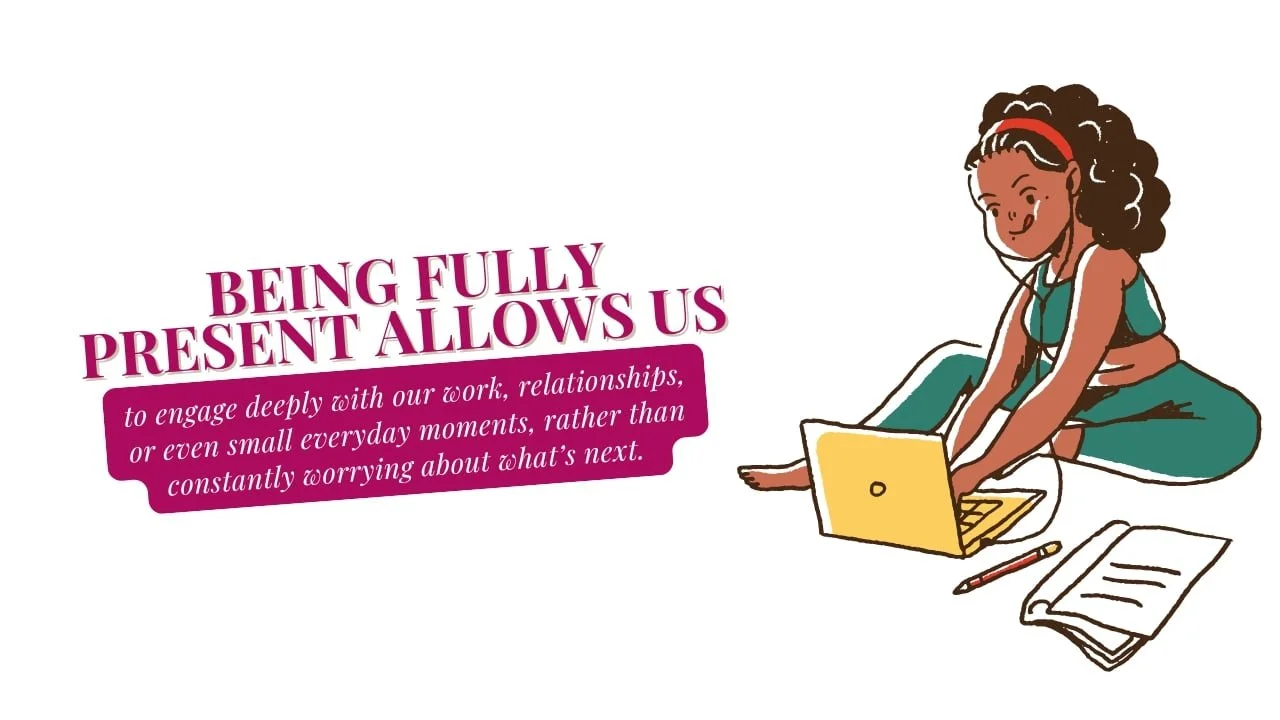
The big takeaway is that attention—not time itself—is our most valuable resource. Sure, we all have limited hours in a day, but the quality of focus we give to what we’re doing makes all the difference. Being fully present allows us to engage deeply with our work, relationships, or even small everyday moments, rather than constantly worrying about what’s next. This is huge, because so many people fall into the trap of thinking they have to “catch up” before they can enjoy life. The truth? You’ll never feel fully caught up, and even retired folks are still busy. Waiting to live until everything is done means missing out on life right now.
Being present also means finding meaning and gratitude in both big and small moments. It could be taking a walk outside, loading the dishwasher, or simply noticing that you woke up today—a gift in itself. When you focus on your top priorities, give them your full attention, and let go of the illusion of total control, your time becomes more intentional and fulfilling. In other words, life isn’t about doing everything perfectly—it’s about actually being there for what matters.
Get Comfortable Being Uncomfortable
Lesson nine reminds us that discomfort is an unavoidable part of living a meaningful life. Avoiding anxiety, uncertainty, or overwhelm might feel natural, but it often limits growth and fulfillment. Life is unpredictable, and trying to control every outcome—through productivity hacks or overplanning—can sometimes be a way of dodging the fact that some discomfort is inevitable. The real question isn’t how to avoid feeling uneasy, but which challenges are worth facing to create a life that truly matters.
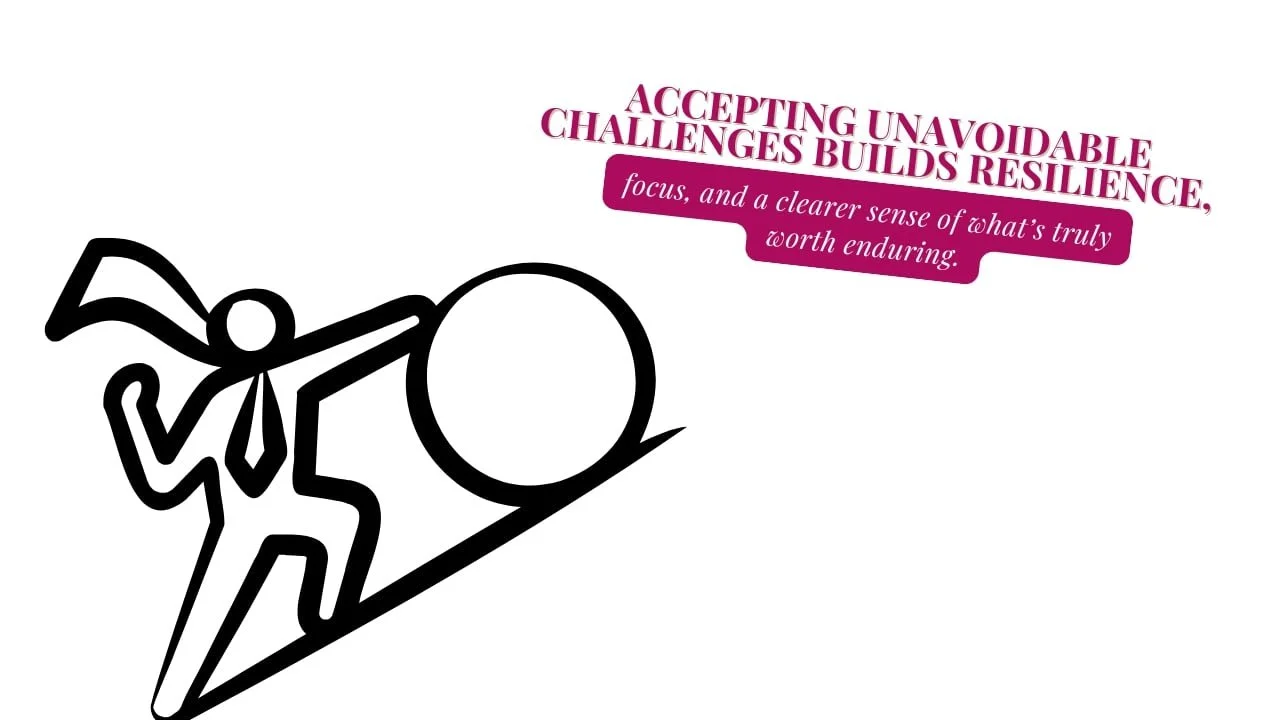
For me, this became a personal mantra in 2020: get comfortable being uncomfortable. That year was intense for everyone, yet leaning into discomfort allowed me to thrive professionally, support patients through COVID, and continue personal growth through exercise and meaningful projects. Accepting unavoidable challenges builds resilience, focus, and a clearer sense of what’s truly worth enduring.
Lesson nine also ties into procrastination. Focusing on one task always means something else is deferred, and that’s okay—it’s part of life. The key is being intentional about what we prioritize. Are you postponing what really matters—your health, relationships, or personal goals—for less meaningful tasks? By identifying what’s essential and letting go of the rest, we can navigate discomfort and procrastination in ways that align with our values and help us live more purposefully.
Procrastination Is Inevitable
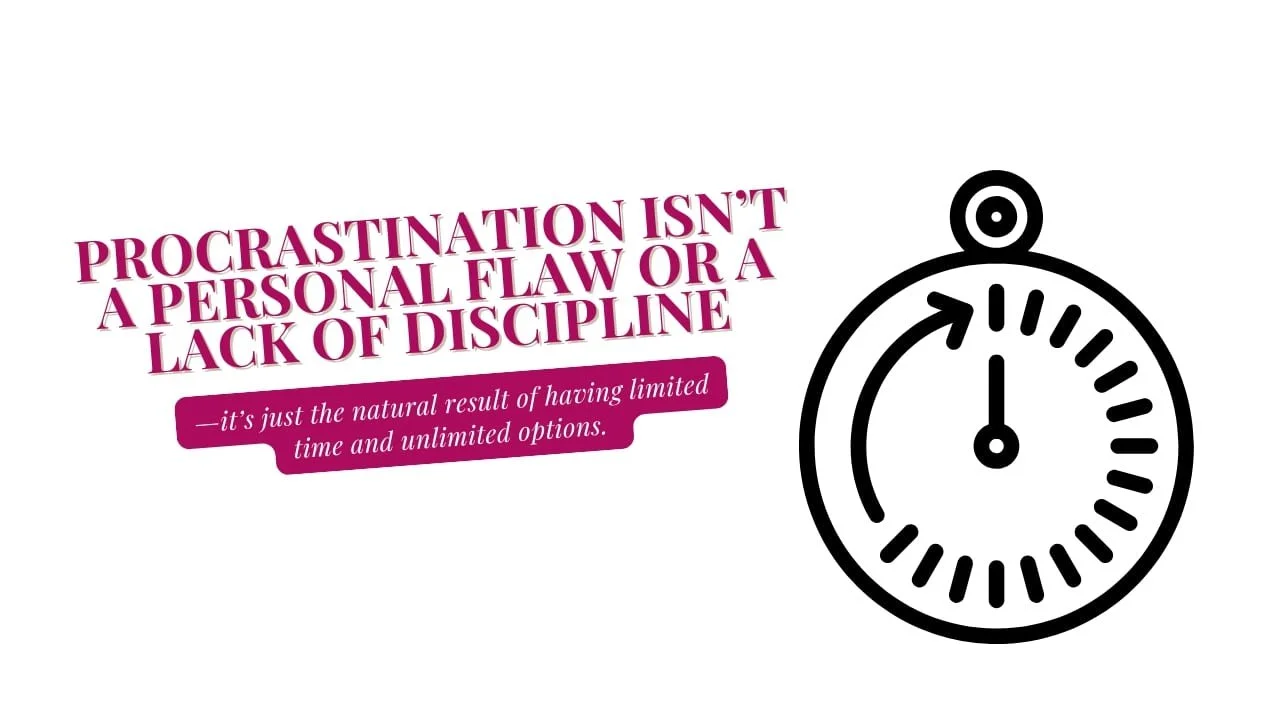
The final lesson from Four Thousand Weeks offers a surprisingly freeing reframe: at any given moment, everyone is procrastinating on something. That idea alone takes a lot of pressure off. Procrastination isn’t a personal flaw or a lack of discipline—it’s just the natural result of having limited time and unlimited options. Whenever attention is given to one thing, something else gets postponed. Seeing it this way shifts the goal from trying to eliminate procrastination altogether to being more intentional about what gets delayed, which honestly feels way more realistic.
This shows up most clearly in work culture. Many people regularly work ten, twelve, or even fourteen-hour days, then wonder why there’s no time left for exercise, meal prep, sleep, or meaningful connection. Work quietly expands to fill the space, and everything else gets pushed to the margins. Over time, stress builds, health habits fade, and life starts to feel off balance. Most of the time, this isn’t about laziness or poor motivation. It’s about work becoming the default priority without a conscious decision, while other important parts of life are consistently put on hold.
So the real question isn’t whether procrastination is happening—it’s what it’s happening to. Does every email really need an immediate reply? Does the house need to be perfect? Does every possible task at work need to be done today? More importantly, are things that truly matter being delayed in the process—health appointments, sleep, movement, creative goals, spiritual practices, or time with family? Since procrastination is unavoidable, the goal is to let it fall on the least important things, not the most meaningful ones. When choices are made with that awareness, time starts to align more closely with values, and life feels more intentional, balanced, and sustainable.
Life is short, priorities are many, and perfection isn’t the goal—so how you spend your time really counts. From letting go of trying to do it all, embracing discomfort, and focusing on what truly matters, to saying no, slowing down, and being present, there’s a lot we can do to live more intentionally.
Catch the full episode for all ten lessons and practical ways to enter 2026 with clarity, focus, and a sense of calm.
More from The Dr. Francavilla Show:
Subscribe to The Dr. Francavilla Show on