
Testosterone, Weight, and Health with Dr. Khashayar Farzam
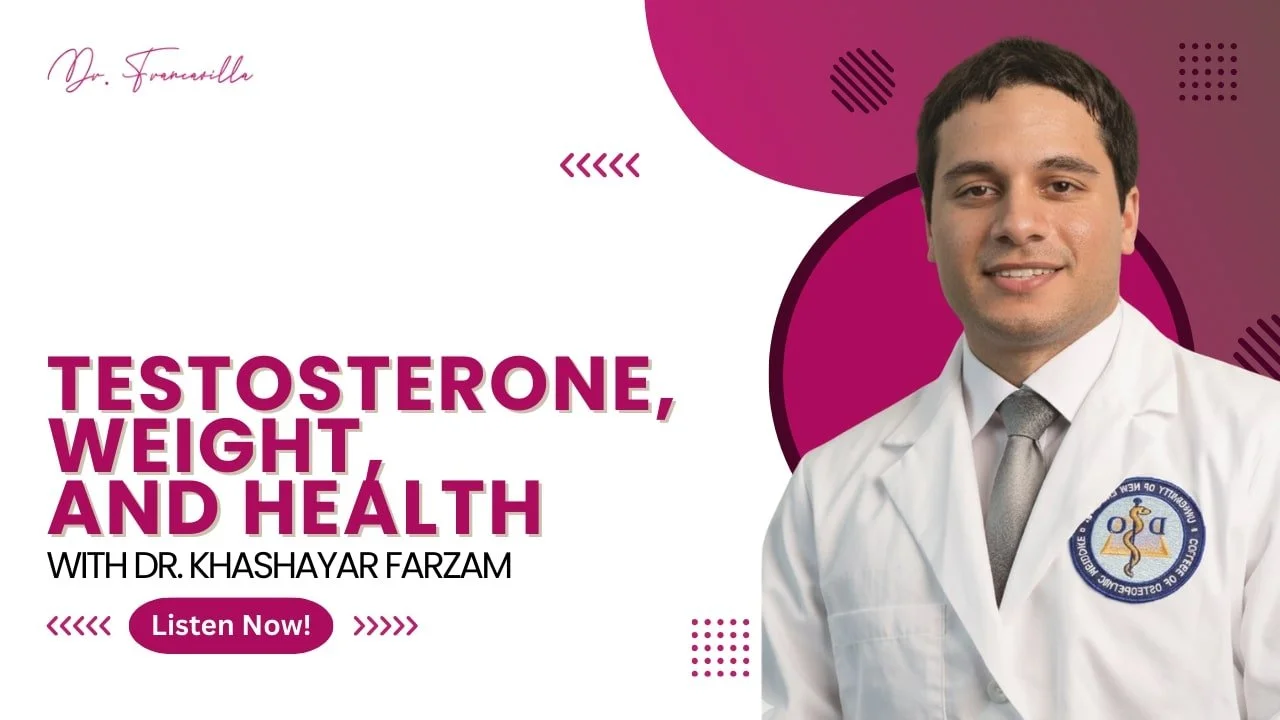
Ever wonder how testosterone really affects men’s weight and overall health?
In this episode, we take a closer look at the link between testosterone, weight, and metabolic health with Dr. Khashayar Farzam. Testosterone plays a key role in metabolism, muscle mass, energy levels, and fat distribution—but it’s also one of the most misunderstood hormones, with plenty of myths circulating online.
Dr. Farzam is a Canadian-based emergency and family physician who specializes in metabolic health, obesity medicine, men’s health, and testosterone replacement therapy. He’s the founder of True North Metabolic, a physician-led clinic in Kitchener–Waterloo focused on evidence-based care for weight loss, testosterone therapy, and other men’s health concerns.
Alongside his medical training, Dr Farzam is an international-level powerlifter, Guinness world record holder, and a regular member of Team Canada, which gives him an exciting and unique lens on performance, longevity, and real-world hormone health.
In this episode, we break down what testosterone actually does, the pros and cons of therapy, how it interacts with weight and metabolism, and what men need to know to approach hormone health safely and responsibly.

Why Low Testosterone and Obesity Are Totally Linked
Low testosterone doesn’t just affect energy or mood—it can lead to more belly fat and less lean muscle, which can slow metabolism and increase inflammation. At the same time, carrying extra weight can also lower testosterone levels. So it’s not always clear which comes first—low testosterone or weight gain.
People with higher body fat often have lower levels of a protein called SHBG, which helps carry testosterone and other sex hormones in the bloodstream. When SHBG is low, blood tests may show a lower “total testosterone” level even if the body is still making a normal amount. That’s because most testosterone travels attached to proteins and only a small portion is “free” and usable. So when SHBG drops, total testosterone can look low on labs, which is one reason obesity and “low testosterone” often show up together.
Another factor is something called aromatization. Fat tissue can convert testosterone into estrogen. A small amount of this is normal, but when there’s a lot of extra fat, more testosterone gets turned into estrogen. Higher estrogen levels can signal the brain to slow down testosterone production. So obesity can affect testosterone from two directions: it can lower SHBG (making total testosterone even look lower) and increase conversion of testosterone to estrogen (which can also reduce production over time). This is why weight, hormones, and metabolic health are closely connected. Addressing just one piece often isn’t enough—looking at overall health with a holistic approach works best.
Balancing Testosterone and Metabolic Health: What You Need to Know
Small drops in testosterone can affect metabolic health, even when lab results still fall within the “normal” range. This happens a lot in people with obesity, where the body naturally tones down testosterone production, leading to what doctors call low-normal levels. When ongoing metabolic stress is added—like fatty liver or other signs of low-grade inflammation—it can further push testosterone down. That’s why labs alone don’t tell the full story; the bigger metabolic picture matters.
Low testosterone can be hard to spot because the symptoms aren’t always obvious. Fatigue is common but not very specific. More telling signs include lower sex drive, erectile issues, low mood, brain fog, difficulty building or keeping muscle, and increasing belly fat. These symptoms often show up together, which usually prompts men to see a doctor—especially when diet and exercise aren’t working as expected. Many of these men may also deal with other issues like high blood pressure, pre-diabetes or type 2 diabetes, or sleep apnea, so many doctors have to decide what to address first.
Sleep apnea is especially important, since starting testosterone therapy before treatment can make symptoms worse. Once sleep apnea is managed, doctors can consider whether to focus on weight loss, testosterone therapy, or both. Testosterone therapy can support metabolism by helping reduce belly fat and build muscle, but it may also cause short-term side effects like fluid retention, slight increases in blood pressure, or changes in cholesterol. That’s why a balanced approach—addressing hormones, weight, sleep, inflammation, and heart health together—leads to safer and better long-term results.

Why Low Testosterone Needs a Holistic Approach
Testosterone therapy has definitely become more popular lately, but it’s important to realize that low testosterone isn’t usually just a standalone issue. While some online clinics make it seem as simple as showing up with one complaint and walking out with a prescription, managing low testosterone safely and effectively is way more nuanced. A holistic approach is key, because the hormone itself is tied to so many other aspects of health, from metabolism to cardiovascular function.
Some men have primary testicular failure or genetic conditions like Klinefelter syndrome, while others have secondary causes affecting the hypothalamic-pituitary-gonadal axis, like prolactinomas or the aftereffects of previous anabolic steroid use. It sounds complicated, and it is! Obesity and metabolic issues can also cause functional low testosterone. Each of these situations has different implications for treatment, so it’s crucial to understand the underlying cause before just jumping into therapy.
That’s why a thorough diagnostic workup is so important. Doctors will typically check hormones like luteinizing hormone and follicle-stimulating hormone to figure out if the problem is primary or secondary, and they’ll also look at metabolic and endocrine factors, liver function, iron levels, and fertility concerns. Safety matters too—testosterone can affect sleep apnea, blood pressure, and cholesterol if not carefully monitored. Bottom line: low testosterone should never be treated in isolation. Working with a qualified clinician to understand the “why” behind your numbers ensures treatment is effective, safe, and supportive of your long-term health.
Low Testosterone: How to Diagnose and Manage It Safely
Diagnosing low testosterone usually starts with paying attention to symptoms—things like ongoing fatigue, low sex drive, trouble building muscle, or simply not feeling like yourself. Blood tests are the main way doctors check this, and the most important one is total testosterone. It’s the standard test most guidelines rely on and is usually the first step. Other tests, like free or bioavailable testosterone, can add context, but in real-world practice, total testosterone is often used first—partly because insurance in both Canada and the U.S. doesn’t always cover the extra testing. Doctors often compare it to checking your bank balance: it gives a quick snapshot of where things stand. Typical cutoffs fall around 300–350 ng/dL in the U.S. (or 10–12 nmol/L in Canada), and many people with obesity land in that “low-normal” range where symptoms can still show up.
If testosterone looks low, the next step is figuring out why. Doctors usually run additional labs to see how the brain and testes are communicating and to rule out other causes. They’ll also check basic metabolic markers like blood sugar, along with baseline blood counts if testosterone therapy is being considered. Testosterone levels naturally go up and down, so testing is often repeated a week apart to make sure a low result isn’t just from poor sleep, stress, or alcohol. Occasionally, a third test is needed if results don’t line up. The goal is to understand someone’s usual range, not just react to a single number.
Safety is a big part of testosterone therapy. One of the most common issues is an increase in red blood cell levels, which is usually manageable by adjusting the dose or how often testosterone is given. While blood donation is sometimes suggested, it isn’t always the best fix and can cause low iron. Other risks—like blood clots or mild heart rhythm issues—are thankfully uncommon, especially when patients are monitored closely. The bigger takeaway is that treating low testosterone isn’t just about chasing numbers or symptoms. It’s about looking at the whole person, weighing risks, and using a careful, individualized approach—which is why working with an experienced physician matters.

Testosterone Therapy: Balancing Benefits, Risks, and Options
Testosterone replacement therapy (TRT) can make a real difference for men with low testosterone, but it’s important to understand both the benefits and the possible downsides—and how doctors keep an eye on them. One thing that sometimes comes up is blood pressure. Some men, especially those who are sensitive to salt, may notice a small increase when starting TRT. This is usually related to mild fluid retention. That said, not everyone experiences this—some men see no change, and others may even notice their blood pressure improve. If levels do rise, simple steps like dietary changes or medication can usually manage it.
Heart health is another common concern. Older studies once suggested a link between TRT and heart problems, but many of those didn’t account for issues like untreated sleep apnea or high blood pressure. More recent research, including a large 2023 study, shows no higher risk of heart-related events in men properly treated with TRT. Still, small changes in cholesterol or other markers can happen, which is why regular monitoring matters.
Questions around prostate health and fertility also come up often. Current evidence shows that TRT does not cause prostate cancer. However, if someone already has a testosterone-sensitive prostate cancer, TRT could make it worse—so screening with a PSA test before starting therapy is essential.
Fertility is another consideration. Injectable testosterone can temporarily lower sperm production by switching off the body’s own hormone signals, sometimes leading to testicular shrinkage. This doesn’t mean permanent infertility, though. Many men are able to regain fertility after stopping TRT. Other forms, like gels, creams, or nasal testosterone, may have a milder effect on sperm production.
How testosterone is taken also matters. Injections are often the most effective for symptom relief and stable levels, while smaller, more frequent injections can reduce side effects in some men. Gels and creams are a needle-free option but can be less predictable in how well they’re absorbed. Patches and pellets are used less often but may suit certain lifestyles. In the end, the best approach depends on the individual. When TRT is personalized and properly supervised, it can be both safe and highly effective.
Testosterone Therapy Myths and What You Really Need to Know
There’s a lot of chatter about testosterone therapy online, but not all of it is accurate. Two trends in particular can be misleading or even risky. First up: aromatase inhibitors. These drugs were originally developed for breast cancer treatment but somehow became popular in online bodybuilding forums in the 2000s. The idea was that testosterone increases estrogen, so blocking that process seemed “smart” to some people. In reality, it’s classic bro science. Estrogen naturally rises in proportion to testosterone, and keeping that balance is super important for overall health. Artificially suppressing estrogen can actually backfire, leading to issues like joint pain, osteoporosis, erectile dysfunction, dyslipidemia, and even mood changes like depression. So, unless there’s a clear medical reason, aromatase inhibitors really shouldn’t be used for DIY hormone experiments.
The second misconception is about what counts as true testosterone replacement therapy, or TRT. TRT is all about replacement—raising testosterone from a low or deficient level back to a normal physiological range. Taking testosterone when your levels are already normal isn’t replacement; it’s enhancement. And that’s a totally different scenario with its own risks. A lot of people notice vague symptoms like fatigue and think testosterone is the answer, but their labs might be perfectly normal. In these cases, taking extra testosterone doesn’t help and could actually introduce health risks. Studies like the 2023 TRAVERSE trial specifically looked at men with low testosterone receiving TRT and confirmed benefits—but only for those who genuinely needed replacement. Going beyond that physiologic range isn’t better, it’s just riskier.
In summary, balance is everything. Low testosterone deserves careful attention and proper treatment, but more isn’t automatically better. The goal should always be normal physiological levels, not supercharged doses. Holistic care matters too—it’s not just about hitting a lab number but understanding what’s causing the deficiency, managing other risk factors, and looking at overall health. Proper testing, diagnosis, and working with a qualified physician are key to getting it right and staying safe.
Testosterone, weight, and metabolic health are super interconnected, and navigating it all safely takes the right guidance and a clear understanding of the facts. From common myths like aromatase inhibitors to the realities of testosterone replacement therapy, getting the full picture is key to making informed decisions about your health.
If you want to hear the full conversation with Dr. Khashayar Farzam—covering everything from the pros and cons of therapy to practical tips for men looking to optimize their metabolism and hormone health—make sure to check out the full episode. You won’t want to miss it!
More from The Dr. Francavilla Show:
Subscribe to The Dr. Francavilla Show on