
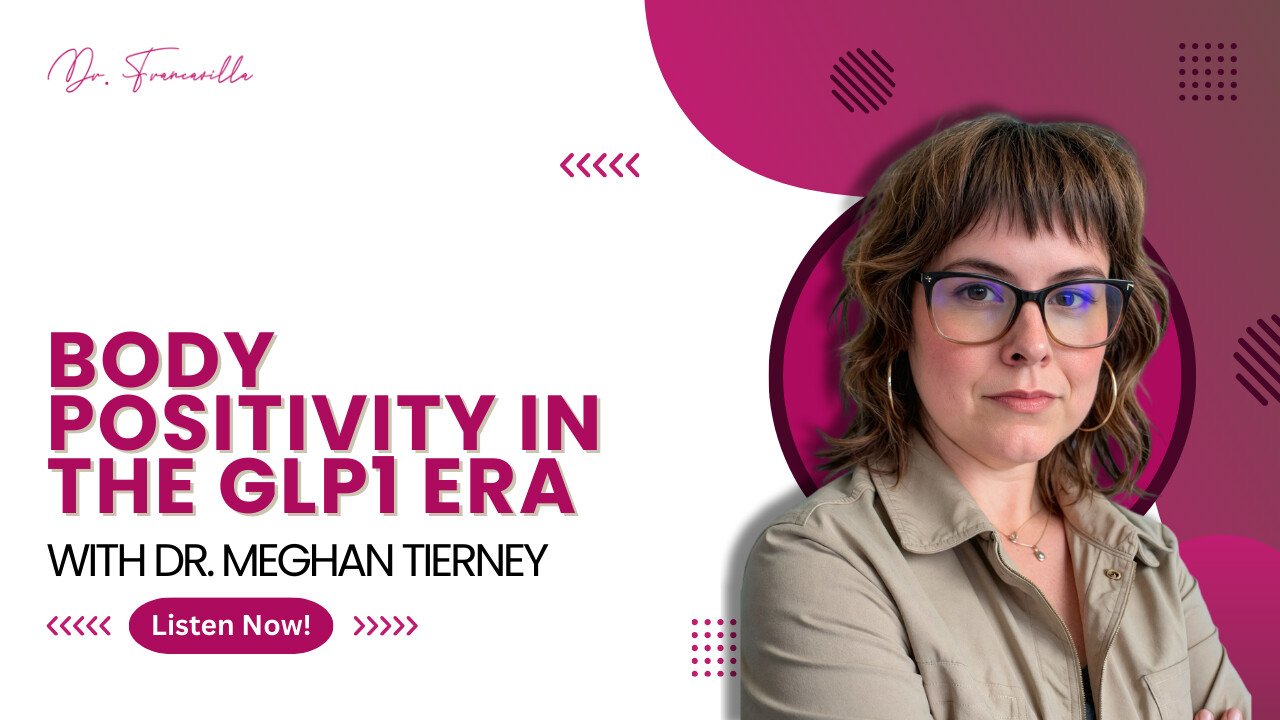
Body positivity in the GLP1 era with Dr. Meghan Tierney
What gets overlooked when we talk about weight, health, and body image?
On today’s episode, we’re diving into the emotional, social, and medical realities of living in a larger body—things that often get missed when the conversation focuses only on numbers or appearance. My guest is Dr. Megan Tierney, a family physician, obesity medicine specialist, and founder of Sol Health and Wellness in Seattle. She helps women navigate perimenopause, menopause, and metabolic health changes using evidence-based care that combines medical management, mindfulness, and self-compassion.
We’ll be exploring some of the challenges people in larger bodies face every day, from the subtle and persistent stress of moving through public spaces to the anxiety that can show up in healthcare settings. We’ll also discuss how trauma, social stigma, and cultural messaging shape our relationship with our bodies—and how finding your “best weight” isn’t about reaching a number on the scale, but about thriving physically, emotionally, and mentally.
This episode is about looking beyond the scale, understanding the full picture of health, and embracing strategies that support autonomy, self-care, and overall well-being. Whether you’re navigating weight, body image, or just curious about the complexities of health in today’s world, this conversation is full of insights, practical tips, and a compassionate perspective on what it really means to live better—not just lighter.
Living in a Larger Body What Often Gets Missed
Living in a larger body often comes with a heightened awareness of how one moves through the world, and honestly, it can be exhausting. Everyday situations—like sitting at a barbecue, boarding a plane, or picking a chair in a public space—carry a mental checklist that most people never even think about: Is there enough space? Will the chair hold? Will I be uncomfortably close to someone else? Over time, this constant awareness of your body in space can feel like a full-time job, shaping how you experience even routine or fun activities. Something as simple as riding a bike, for example, can feel intimidating if past experiences made you feel unsafe or out of place. When everyone around seems fitter or more confident, it just amplifies that feeling of being “different,” and those moments can stick with you for years.
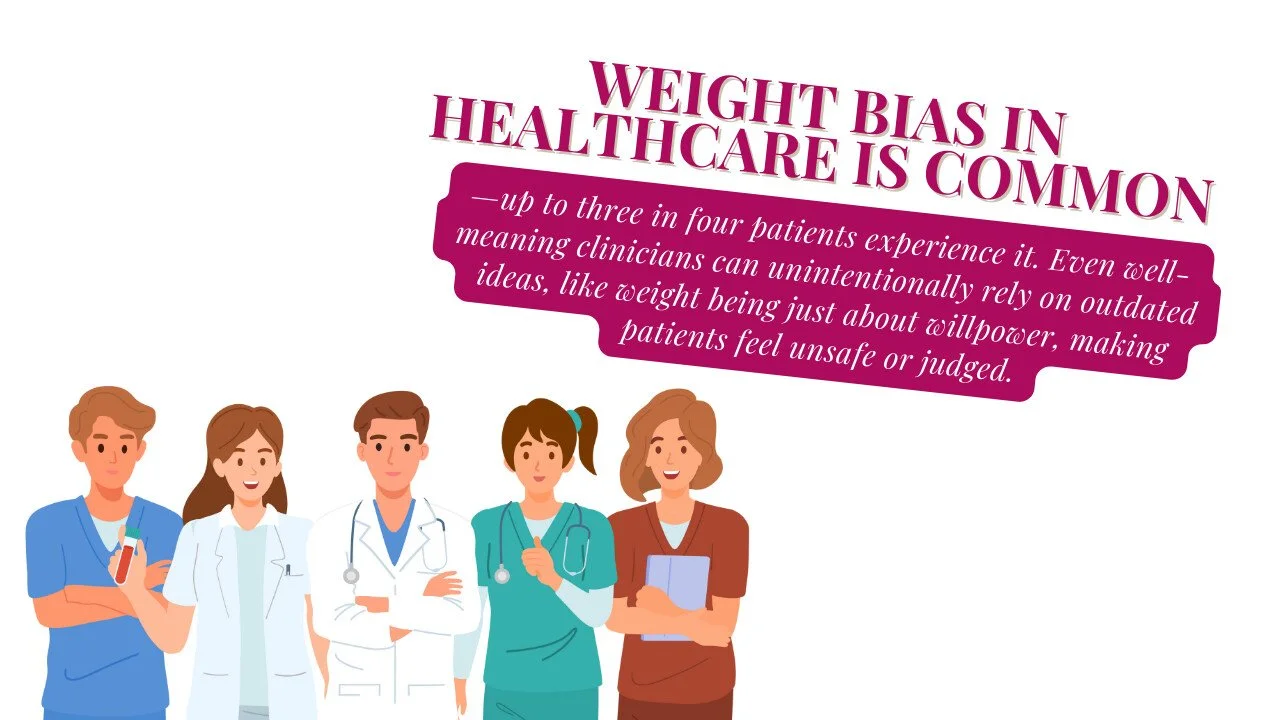
This heightened vigilance doesn’t stop when you walk into a doctor’s office. Many patients in larger bodies approach healthcare with anxiety, fearing that even a routine visit will somehow circle back to their weight. A sore throat, sprained ankle, or knee pain can come with the stress of anticipating judgment—even when clinicians are trying to be supportive. Research shows that weight bias in healthcare is common, with estimates ranging from one in four to closer to three in four patients experiencing it. And while most clinicians genuinely want to help, outdated ideas—like weight being purely about willpower—still pop up, making it hard for patients to feel safe and heard. Finding a provider who communicates about weight in a compassionate, nuanced way is often a slow process, built through trust and sometimes word-of-mouth recommendations.
On top of that, living in a larger body is actually more common than not, yet society hasn’t really adjusted. Airplane seats, public furniture, and everyday spaces are still designed for narrower bodies, creating structural challenges that aren’t personal, but unavoidable. That reality, combined with lingering stigma and cultural pressure, can leave people feeling isolated or “othered.” Finding community or simply hearing that others share these experiences can be grounding. Medicine is making progress by focusing on physiology and reducing stigma, but the world at large hasn’t fully caught up. Naming these challenges, normalizing them, and advocating for respectful, practical care can make a huge difference—for both patients and clinicians navigating a society that hasn’t quite adapted to the bodies most people actually live in.
Choosing What Feels Right for Your Body
We’re in a kind of weird cultural moment when it comes to bodies and health. On one hand, there’s been real progress around body positivity, health at every size, and the idea that your worth isn’t tied to your weight. On the other hand, social media, celebrity transformations, and constant conversations about weight loss—especially with these powerful new medications—are everywhere. For some people, these medications bring real health benefits; for others, the impact is less clear. Either way, it creates tension. People are often left asking themselves: how do I accept my body while also making intentional choices about weight? How do I navigate a world that sends such mixed messages?
A big part of the answer is remembering that no single person—or clinician—can shift the broader culture overnight. What we can do, though, is focus on the experience in the room and the person right in front of us. That means centering conversations around their values, goals, and what actually matters to them, rather than what the world says should matter. It also means preparing for real-life challenges: family gatherings, gym sessions, or just being out in public can bring unsolicited comments, scrutiny, or pressure. Talking through those situations ahead of time, planning responses, or setting boundaries can make a huge difference. Body autonomy is central here—everyone deserves the right to decide what feels right for their own body. For some, larger bodies are functional and safe; for others, changing their body supports their health and quality of life—and both choices are totally valid.
Support and boundaries are key to making it all manageable. People can benefit from having at least one trusted friend or family member who gets what they’re navigating—someone to text after a weird comment or awkward dinner. Learning to draw boundaries, whether by redirecting compliments, skipping weight-related conversations, or simply saying nothing, is also powerful. Patients don’t owe anyone an explanation, and deflecting can be a form of self-care. At the end of the day, there’s no perfect script or universal solution. Navigating weight, body image, and health in today’s world is complex, but honesty, autonomy, and support—both in the clinic and daily life—make all the difference. Creating space for people to make choices without judgment may be one of the most meaningful ways we can truly care.
Making Space for Bodies to Change
Body positivity has always been a layered concept, and honestly, right now it feels even trickier. In recent years, some well-known body positivity influencers have faced criticism as their bodies changed—sometimes through intentional weight loss with medication or surgery. The reactions often aren’t about the change itself, but this unspoken expectation that loving your body means it can’t ever change. But here’s the thing: body positivity isn’t a rulebook about staying the same. At its heart, it’s about autonomy—your body is your vehicle for living life, not a moral statement or a measure of worth. Bodies let us move, connect, and show up in the world, and sometimes they need adjustments to support the life we want to live.
For many people, especially women in larger bodies, body positivity has historically been survival. Online communities around fashion, beauty, and shared experience created spaces where representation and belonging mattered. So when someone in those communities decides to change their body, it can feel like a betrayal—but that’s not what’s happening. There are real, practical reasons people make these choices: difficulty with basic self-care, physical limitations, or simply recognizing that their body isn’t meeting their needs anymore. Choosing medication or surgery is often about responding to current needs, not rejecting past identity. And while losing community in the process can hurt, it doesn’t negate the validity of that choice.
What gets missed sometimes is how identity, trauma, and social pressures intersect with body change. Friendships, careers, and creative spaces can feel tied to a body size, and the fear of how others will perceive change is real. But body positivity isn’t about freezing your body in time—it’s about refusing to let self-worth hinge on appearance. Supporting your body, whether through weight loss, vision correction, or other adjustments, can be an act of care, not shame. Bodies will change anyway, whether due to aging, stress, or health conditions, and respecting that reality means honoring people’s choices without judgment. Learning to hold multiple truths at once—that a body can be respected as it is and still allowed to evolve—is where real, compassionate care begins.
Why Weight Is Not Just Willpower: The Role of Trauma in Health
Trauma can play a huge role in how someone relates to their body, and it’s not always the “big, dramatic” kind we tend to imagine. It can be subtle—like growing up with food insecurity, moving frequently, or experiencing parental separation. Even when these experiences aren’t abusive, they can shape behaviors and physiology in ways that make living in a larger body more likely later in life. Chronic stress adds another layer, literally changing how the body functions and making weight loss harder, even when someone is motivated and putting in effort. Ironically, being in a larger body itself can be stressful, creating a loop where making lasting changes can feel nearly impossible without support.
The first step in addressing this is shifting the focus away from blame. Weight isn’t just about willpower or personal failure. Trauma, environment, and biology all play critical roles, often outside a person’s control. Recognizing these factors can be liberating—it helps people reclaim agency and challenges the harmful cultural idea that weight is a moral failing. Many patients have already demonstrated remarkable dedication to managing their weight, often in ways that exceed what most people could imagine. Yet, society can still label them as lazy or at fault.
Reframing the story is essential. Emphasizing that weight is influenced by multiple factors—not just individual choices—restores control and empowers people to engage with their health in an informed, intentional way. Understanding the interplay of biology, stress, and past experiences allows patients to approach health goals more realistically and compassionately, rather than with self-criticism or guilt. This perspective also makes it easier to prioritize strategies that actually work for long-term well-being, rather than short-term fixes.
Finding a healthcare provider who truly understands these complexities can make all the difference. Weight is a health condition like any other, and it deserves individualized, thoughtful attention. Physicians trained in obesity medicine don’t just provide treatment—they guide patients through the social, emotional, and physiological challenges that come with weight management. Holistic care considers a person’s history, stress levels, and life context, not just lab results or scale numbers. Feeling seen and understood is often as impactful as any medical intervention.
Ultimately, everyone deserves access to compassionate, evidence-based care. With more trained physicians available, patients can receive guidance that validates their experiences while helping them achieve health goals without shame or judgment. Weight management is not about moral character—it’s about supporting the body and mind to thrive. By addressing trauma, stress, and the broader context of health, patients can move toward sustainable well-being, knowing that their efforts are recognized, supported, and meaningful.
Living Better, Not Just Lighter
When it comes to weight loss and metabolic health, it’s super easy to get caught up in the numbers—the scale, body composition, or lab results. But honestly, health isn’t just about metrics. It’s also about the mental and emotional shifts that happen along the way, and the mindset you need to actually live well while you’re on the journey. Skipping that piece is like missing the whole point. The ultimate goal isn’t just dropping pounds—it’s building a life that feels happy, sustainable, and genuinely fulfilling.
The bigger picture is helping people become strong, vital, and fully engaged in life—whether that’s enjoying family gatherings, traveling, or just moving through daily life without being limited by their bodies. If the process leaves someone feeling weaker, stressed, or emotionally drained, then what’s the point? Weight loss can be part of the journey, sure, but it’s definitely not the whole story. The focus should always be on living longer and living better—feeling energized, confident, and balanced along the way.
Finding your “best weight” isn’t about hitting the lowest number on the scale. It’s about finding a weight where your body actually thrives and you feel good in your life. That includes being able to enjoy the foods you love—dark chocolate, cheeseburgers, whatever—without guilt or deprivation. It’s about balance, not perfection. Weight is just one piece of the puzzle, and the real goal is thriving in every part of life.
Navigating weight, health, and body image is rarely simple, and there’s no single “right” way to do it. What matters most is finding what feels right for your body, honoring your experiences, and seeking support—whether from friends, family, or healthcare providers who truly understand the complexities at play.
Living in a larger body, making changes to support your well-being, or simply embracing where you are now are all valid choices. What matters is approaching your body with compassion, setting boundaries that protect your mental and emotional health, and creating space for choices without judgment. Every step toward understanding and caring for yourself counts.
Ultimately, the goal isn’t just to be lighter—it’s to live better. By prioritizing self-care, autonomy, and support, it’s possible to move through the world with confidence, resilience, and balance, no matter your size or the numbers on a scale.
More from The Dr. Francavilla Show:
Subscribe to The Dr. Francavilla Show on