
The New Dietary Guidelines: Dr. Francavilla’s Thoughts
Have you ever wondered why the government even issues dietary guidelines—and what they actually mean for what we eat every day?
Well, the 2026 Dietary Guidelines for Americans dropped in January, and they’ve stirred quite a bit of conversation. These guidelines aren’t just recommendations for your personal plate—they’re the blueprint for federal feeding programs like school lunches, military meals, and other nutrition initiatives for both kids and adults. So, yeah, they actually shape what millions of people eat and also have a big impact on agriculture in the U.S.
Signed off by both the Secretary of Health, Robert F. Kennedy Jr., and the Secretary of Agriculture, Brooke Rollins, these guidelines reflect input from both nutrition science and agriculture policy. That means they’re not just about health—they’re also about supporting the food system and U.S. agriculture, which sometimes makes the conversation around them a little more complicated than it seems at first glance.
In this episode, I’m breaking down the 2026 guidelines in a practical, real-world way—what’s solid, what’s flexible, and what you should actually focus on for healthier eating. From protein and fats to gut health, fruits and veggies, and even prenatal care, we’ll go through the key recommendations and explain what they really mean for everyday life.
Why Food Conversations Always Spark Debate (Even With Evidence)
The new dietary guidelines released in early January 2026 have gotten a lot of pushback, and honestly, some of that reaction feels a bit unfair. A big reason is trust—or the lack of it. This administration has a track record of public health messaging that’s caused confusion, including unsupported claims (like linking Tylenol to autism) and vaccine schedule changes that raised red flags for many clinicians and parents. So when new nutrition guidance dropped, people were already, like, bracing for the worst. That skepticism didn’t come from the guidelines alone—it came from the context around them.
Another layer here is food itself. Nutrition isn’t just science; it’s personal. It’s tied to culture, habits, values, and sometimes religion or industry influence. Plant-based eating especially tends to spark strong reactions, often less about data and more about identity or belief systems. So when guidelines touch on these areas, debate is kind of inevitable. That doesn’t mean the science is weak—it just means food conversations rarely stay neutral for long.
At the end of the day, no set of dietary guidelines will make everyone happy. People bring their own preferences and biases to the table, and a single document can’t reflect every lifestyle or priority. The more useful approach is to read the guidelines with an open mind and focus on what’s evidence-based and practical, rather than reacting to past controversies or personal triggers. Seen that way, the 2026 guidelines are less about perfection and more about offering a grounded framework people can adapt to their own lives.
Why the 2026 Dietary Guidelines Get It Right: A Practical Look at Healthy Eating
I honestly think a lot of the criticism aimed at the 2026 dietary guidelines misses the mark. After actually reading the nine-page Dietary Guidelines for Americans—not the headlines or the hot takes—I found them refreshingly simple, practical, and overall pretty solid. And just to be clear, this perspective is based on the document itself, not social media reactions, press conferences, or commentary around it. When you strip all that noise away, the guidelines are straightforward and grounded in common-sense nutrition.
One of the most talked-about elements is the opening triangle graphic, which many people rushed to label a “food pyramid,” even though the document never calls it that—and it really isn’t one. The image shows a mix of whole foods: vegetables like carrots and broccoli, proteins such as steak, chicken, shrimp, and eggs, along with whole milk, butter, beans with rice, and whole grains. Yes, some folks zoomed in on the red meat or butter placement, but taken as a whole, the graphic reflects balance and variety. If someone said their regular diet looked like that, there would be very little cause for concern. It’s flexible, realistic, and easy to adapt based on individual health needs or goals.
At the core, the message is simple: eat real food. This is something many clinicians have been saying for years, and the guidelines reinforce it clearly. Whole foods tend to be more filling, less calorie-dense, and less likely to come with excess sugar, sodium, or additives that make ultra-processed foods easy to overeat. It’s very much in line with Michael Pollan’s “eat food, not too much, mostly plants” idea—while still making room for protein, dairy, healthy fats, and whole grains. At the same time, the guidelines wisely acknowledge that food isn’t everything. A healthy diet supports health, but it doesn’t guarantee immunity from disease or eliminate the need for medication or other treatments. Taken for what they are, the 2026 guidelines offer a clear, evidence-based framework that promotes balance and moderation without overpromising—and that’s actually a really good thing.
Macronutrients Made Simple: How the 2026 Guidelines Work for You
Looking more closely at the 2026 dietary guidelines, the recommendations around macronutrients and hydration feel refreshingly practical and flexible. Calorie needs are framed as individualized rather than a single universal target, which makes sense given how much energy requirements vary from person to person. Hydration is also kept simple and realistic, with water as the primary recommendation and sparkling water included as an acceptable alternative. That flexibility matters—if small options like that make it easier for people to drink enough fluids consistently, that’s a win.
Protein is the first macronutrient discussed, and it’s also where much of the debate has landed. From a clinical, real-world perspective, protein plays a major role in weight management, muscle preservation, and overall health. It supports muscle and other body tissues and is one of the most satiating nutrients, helping people feel full longer. The guidelines recommend 1.2 to 1.6 grams of protein per kilogram of body weight per day, which aligns with what many clinicians already encourage for adults, especially those working on fat loss or strength.
There is, however, an important practical nuance. For individuals with higher body weight or BMI, calculating protein needs using actual body weight can lead to targets that feel unrealistic. A more approachable rule of thumb is around 100 grams per day for most women and about 120 grams for most men, with 60 grams as a minimum baseline for adults. Many people are surprised to realize they’re falling far short of even that. The guidelines also highlight dairy, which sometimes raises concerns about industry influence, but from a practical standpoint, dairy can be an accessible and affordable protein source. Yogurt and cottage cheese, for example, make it easier to meet protein goals without much effort—though it’s also clear that dairy isn’t required for a healthy diet. Overall, the guidance on protein, dairy, and hydration strikes a nice balance between evidence-based recommendations and real-life flexibility.
Eating for Your Microbes
One of the more unexpected—and honestly refreshing—parts of the 2026 dietary guidelines is the attention given to gut health. This isn’t something that typically shows up in official nutrition guidance, but it actually makes a lot of sense. The gut microbiome plays a major role in digestion, immune function, and metabolic health, and growing evidence shows it can also influence body weight. In some cases, unexplained weight gain may be linked to imbalances in gut bacteria, so seeing this acknowledged in the guidelines feels both timely and practical.
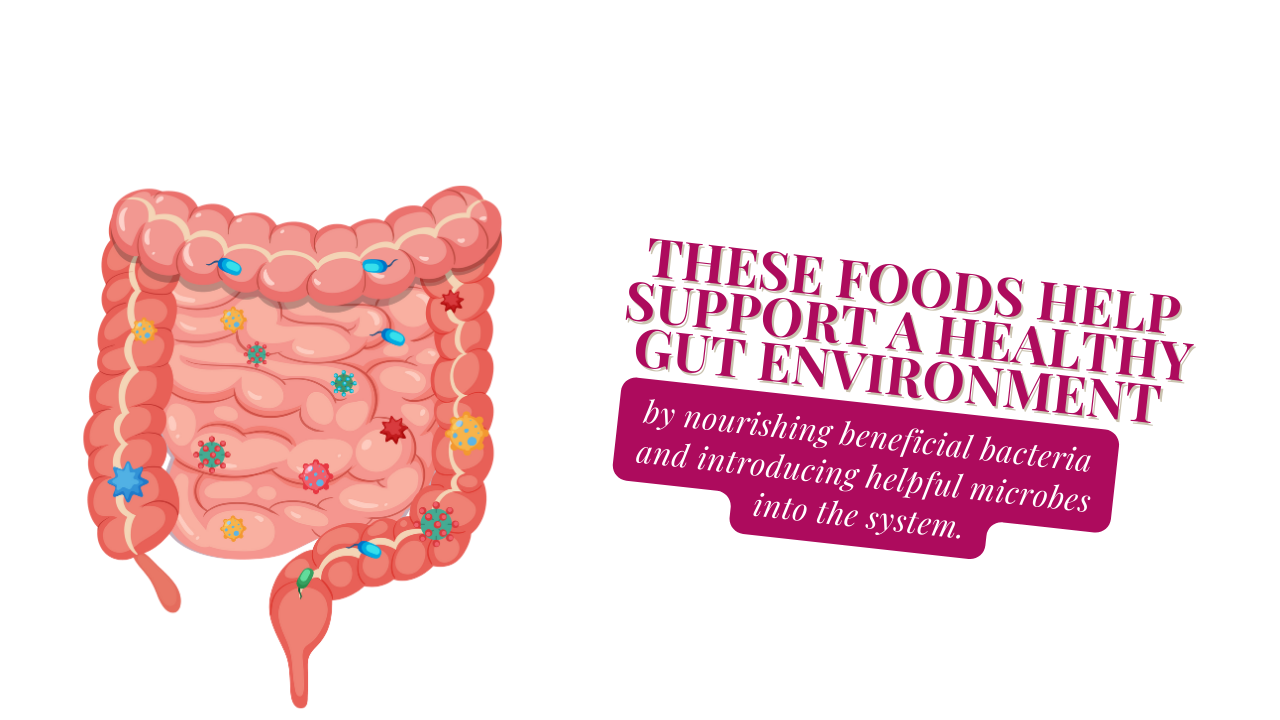
The recommendations themselves stay grounded and approachable. The guidelines emphasize whole, fiber-rich foods and specifically mention fermented options like sauerkraut, kimchi, kefir, and miso. These foods help support a healthy gut environment by nourishing beneficial bacteria and introducing helpful microbes into the system. I’ll admit, I kind of wish kombucha had made the list—it’s a solid probiotic option and a nice alternative to alcohol, which the guidelines recommend limiting. Still, the overall message is clear: gut-supportive foods don’t have to be exotic or complicated.
What really stands out is how this reframes the way people think about eating. Food isn’t just fuel for the body; it’s also fuel for the trillions of microorganisms living in the gut that quietly support overall health. Explaining this idea—especially to kids—can be surprisingly powerful. Fiber-rich foods like vegetables, beans, and whole grains aren’t just “healthy” in a vague sense; they actively feed the gut bacteria that help keep the body functioning well. By including gut health, the guidelines move the conversation beyond calories and macros and toward a more complete picture of how nutrition supports long-term wellbeing.
Eating for Health: Why Fruits and Vegetables Get Top Billing in 2026
A natural follow-up to the discussion on fiber is the focus the 2026 dietary guidelines place on fruits and vegetables. They recommend including these foods throughout the day, not just at lunch or dinner, which is actually a pretty simple way to boost overall intake. Even adding fruit to breakfast or a handful of veggies to a snack can make a big difference in meeting daily goals without feeling like a huge effort.
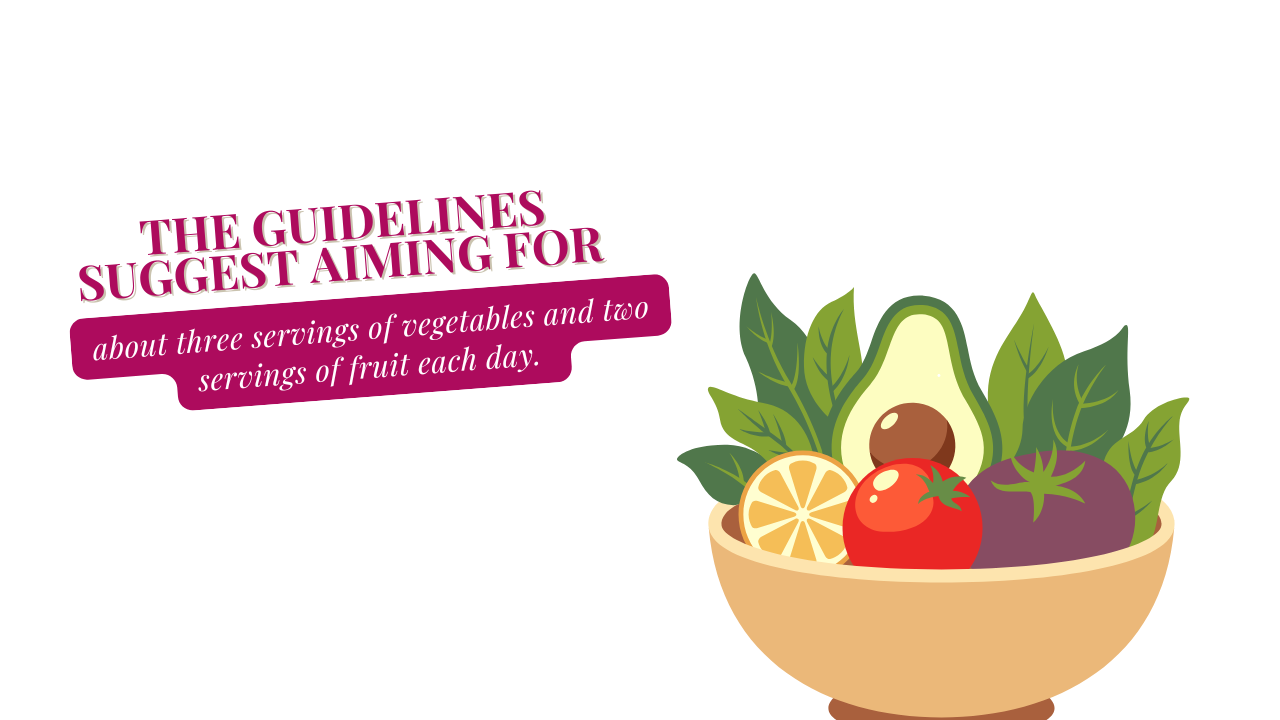
The guidelines suggest aiming for about three servings of vegetables and two servings of fruit each day. That’s pretty much in line with general nutrition advice, though some people may need to tweak things—for example, those with type 2 diabetes might want to be mindful of higher-sugar fruits. Vegetables are hard to overdo, so it’s totally fine to exceed the minimum, while fruit, being more calorie-dense, is something to enjoy mindfully if weight management is a goal. The key takeaway is that variety matters more than perfection.
Another thing I like is that the guidelines aren’t rigid about fresh produce. Canned, frozen, or dried fruits and vegetables can count too, as long as they’re minimally processed and don’t have added sugars or excess salt. This flexibility makes it way easier to get more produce into your diet without worrying about seasonality, cost, or convenience. Overall, the message is clear: eating a mix of fruits and vegetables across the day supports digestion, satiety, and long-term health, and it’s one of the simplest ways to build a balanced, nourishing diet.
Fats Demystified: How to Eat Well Without Overthinking It
One of the most talked-about sections of the 2026 dietary guidelines is fat, and honestly, it’s handled in a way that’s both clear and realistic. After years of the so-called “war on fat,” the guidelines focus on moderation rather than fear. Saturated fat is recommended to stay under 10% of total daily calories. Some media reports made it sound like the guidelines were giving a free pass to butter, red meat, or beef tallow, but that’s not the case at all. For context, on an 1,800-calorie diet, spreading three tablespoons of butter across the day would still fall under that 10% limit. It’s about balance, not restriction.
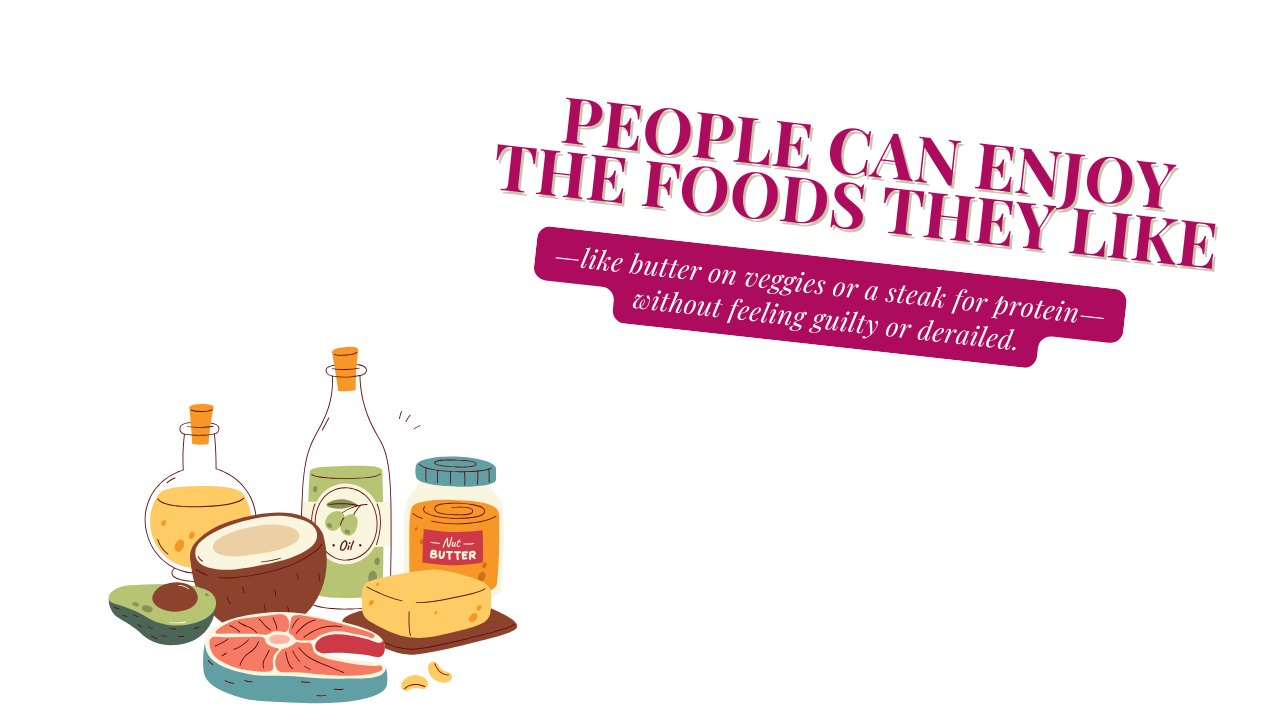
This approach actually makes healthy eating more sustainable. People can enjoy the foods they like—like butter on veggies or a steak for protein—without feeling guilty or derailed. From my experience, strict diets that completely cut out enjoyable foods rarely last. Flexibility is key, and the guidelines reflect that, encouraging people to find a pattern that works for them rather than chasing perfection.
The guidelines also emphasize healthy fats, especially omega-3–rich options like seafood, nuts, seeds, olives, avocado, and full-fat dairy. Olive oil is highlighted for its cardiovascular benefits, but alternatives like butter or even beef tallow can fit in occasionally. While beef tallow might seem old-school, it’s actually a natural source of fat-soluble vitamins A, D, E, and K. The main takeaway is practical: prioritize healthy fats, limit saturated fat to around 10% of calories, and include foods that make meals enjoyable. This balance makes it easier to stick with a diet long-term, keeping nutrition and enjoyment in harmony.
Limiting Processed Foods and Added Sugars in the 2026 Guidelines
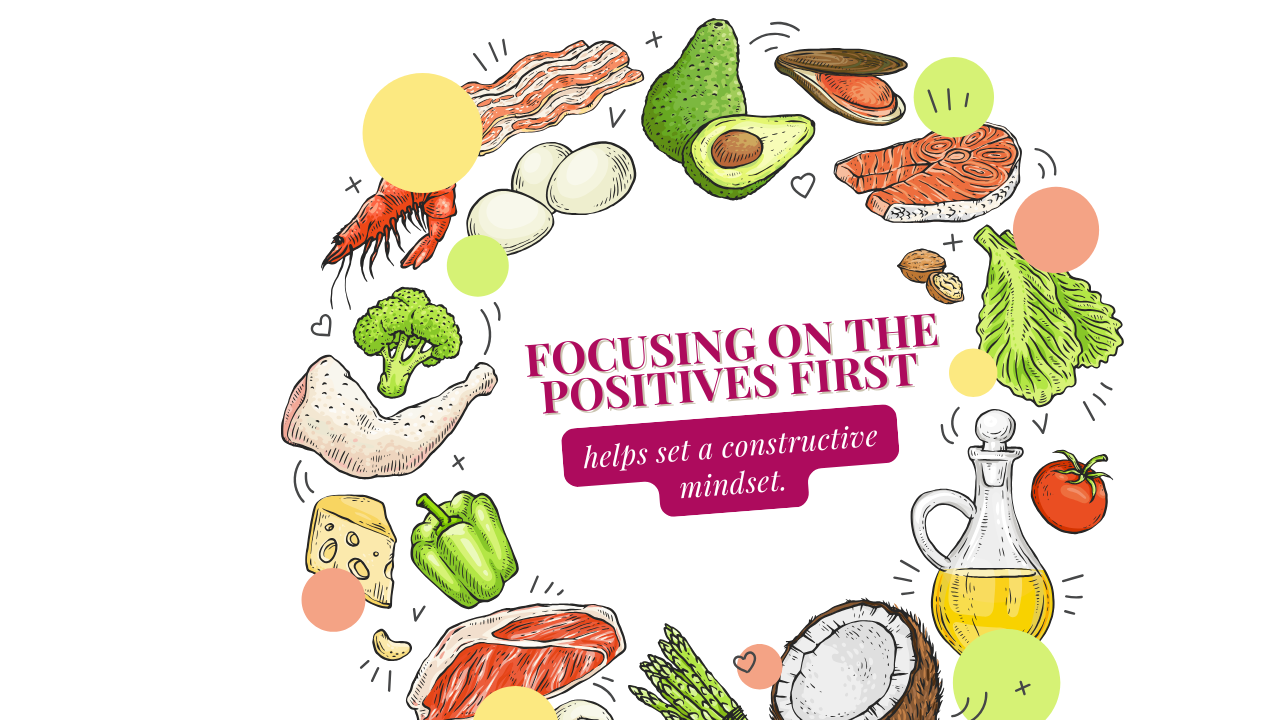
Another key part of the 2026 dietary guidelines is all about what to limit—and I really like how they frame it. Instead of starting with a list of “don’ts,” the guidelines open with what to eat: nutrient-rich, whole foods and balanced meals. Focusing on the positives first helps set a constructive mindset. When the foundation of your diet is solid, there’s naturally less room for ultra-processed foods or added sugars. And yes, occasional treats are totally fine—celebrations and personal enjoyment are part of a healthy relationship with food.
The guidelines zero in on highly processed foods, added sugars, and refined carbs, which is super important for metabolic health and weight management. They make a clear distinction between nutrient-dense carbs—like fruits, vegetables, and whole grains—and less nutritious options like chips, white bread, or sugary snacks. Not all carbs are created equal, and this guidance really helps people understand how different sources impact health.
What’s especially helpful are the practical limits: no more than 10 grams of added sugar per meal. The guidelines even break down what counts as added sugar—stuff like high fructose corn syrup, agave, or rice syrup—and touch on non-nutritive sweeteners, which can have a role in certain products like protein bars or shakes. The overall message is clear: focus on real, minimally processed foods while keeping indulgences in check. By combining what to eat with what to limit, the 2026 guidelines give a balanced, doable framework that supports nutrition without making healthy eating feel restrictive.
Does Cutting Back on Salt Boost Your Health?
The 2026 dietary guidelines continue to give practical advice when it comes to sodium, recommending that healthy adults aim for less than 2,300 milligrams per day. This has been a standard target for a while and still serves as a reasonable benchmark for most people. Keeping sodium in check can help support heart health and overall wellbeing, and the guideline gives a clear, achievable number to aim for.
That said, the document could have gone a bit further for people with hypertension, who make up a significant portion of the U.S. population. For these individuals, lowering sodium even more can have a real impact on blood pressure management. Clinical guidance often recommends stricter limits than 2,300 milligrams, so more targeted advice would have been helpful. Even so, the general recommendation is still a solid starting point for encouraging moderation.
Overall, while the sodium guidance isn’t perfect, it’s practical and easy to follow for most adults. It reinforces the idea that moderation matters and gives people a tangible way to make small, manageable changes that support heart health. Like with most nutrition advice, individual needs may vary, but this recommendation provides a clear framework for the general population to keep sodium in check without overcomplicating things.
Evidence-Based Guidance for Moms and Babies
The 2026 dietary guidelines bring some really encouraging updates for kids, especially around breastfeeding. For the first six months, breast milk is recommended as the main source of nutrition, with formula as an acceptable alternative when breastfeeding isn’t possible. The guidelines also support extended breastfeeding—up to two years or more—if it works for both mother and child. This aligns with World Health Organization standards and reinforces that longer breastfeeding is both normal and beneficial, which is great to see officially recognized.
Beyond supporting the child’s development, extended breastfeeding highlights the need for better support for mothers. Nursing is basically a full-time job, and many women are juggling it alongside full-time work without adequate resources or help. Official recognition in the guidelines is a positive step, but it should ideally translate into more practical support, like workplace accommodations, lactation resources, and broader community awareness.
That said, the guidelines fall a bit short when it comes to prenatal vitamins for pregnant women. They suggest talking to a healthcare provider before starting supplements, which is technically correct, but in practice it could delay an essential intervention. Folic acid, for example, can reduce the risk of neural tube defects—like spina bifida—by up to 70%, and these defects happen in the first month of pregnancy, often before someone even realizes they’re pregnant. Starting prenatal vitamins early, ideally before conception, is critical. So while the guidance for children and breastfeeding is strong, clearer, more proactive advice on prenatal vitamins would better protect mothers and babies and support healthier outcomes.
Overall, I feel very positive about the 2026 dietary guidelines. My main criticism is minor, but in general, the document succeeds in its core message: eat more real, whole foods. It provides practical examples of how to do this and offers a clear, balanced framework for healthier eating.
While media coverage has been highly critical in some areas, I believe that following most of the advice in this document would set people up for improved health and nutrition. Of course, individual tweaks may be necessary based on personal needs, but as a foundation for dietary guidance in the United States, it is strong, practical, and realistic. For a complete understanding of all the recommendations and the reasoning behind them, the full episode explores each point in detail and offers practical insights.
More from The Dr. Francavilla Show:
Subscribe to The Dr. Francavilla Show on