
Zepbound, Wegovy, Phentermine....Which Weight Loss Medication is Right for You?
Have you ever wondered which weight loss medication is actually right for you?
With so many options out there—new GLP-1 medications like Wegovy and Zepbound, oral versions hitting the market, plus older prescriptions that still have a role—it can feel totally overwhelming. Today, we’re breaking it all down: how much weight you might realistically lose, how other health conditions factor in, cost considerations, who should avoid certain medications, and even how combination therapy can sometimes make sense.
Over the years, I’ve covered these topics in different ways. One of my favorite episodes was with Dr. Angela Fitch, where we went through all the available medications at that time. Since then, new therapies like Zepbound and oral Wegovy have emerged, changing the landscape even more. This episode isn’t meant to replace a one-on-one conversation with an obesity expert—that’s still the gold standard—but it will give you the info you need to start thinking about what might fit your goals, your body, and your lifestyle.
By the end of this, you’ll have a clearer picture of how these medications work, who they help most, and how to approach the decision thoughtfully and safely. Obesity is a medical condition, and like any condition, it deserves expert care—so let’s dive into your options and figure out what could be the best fit for you.
How Much Weight Can You Really Lose on GLP-1 Medications?
When considering weight loss medications, one of the most common and understandable questions is: how much weight can you realistically expect to lose? The growing interest in GLP-1–based medications comes down to one key reason—they tend to produce more significant weight loss than older medications historically have.
When Wegovy (semaglutide) was introduced, it marked a shift in what was possible with medication alone. On average, patients lost about 15% of their body weight. To put that into perspective, if someone weighs 200 pounds, that would be about 30 pounds. More recently, Zepbound (tirzepatide) has shown even greater average weight loss—closer to 20% at higher doses. Using that same example, that would mean around 40 pounds. These percentages matter because even a 5–10% reduction in body weight can meaningfully improve blood sugar, blood pressure, cholesterol levels, and overall metabolic health.
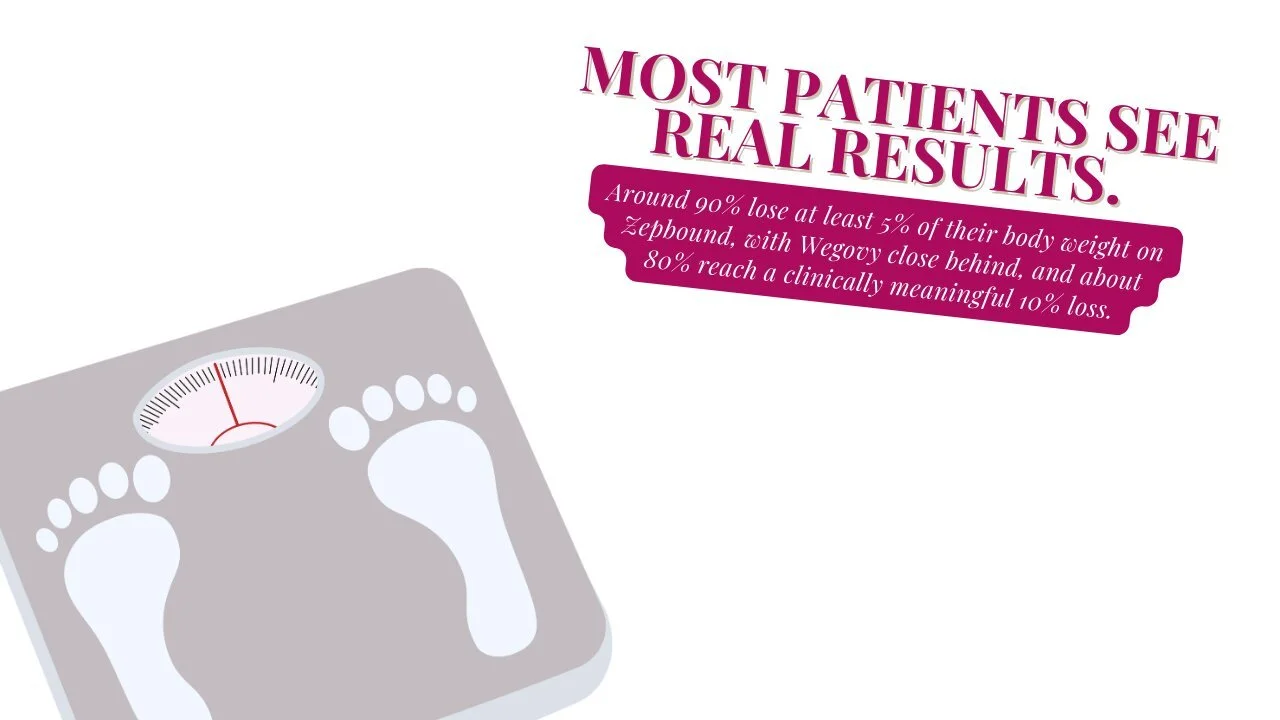
What truly sets these medications apart, however, is not just the average amount of weight lost, but how consistently they work. With Zepbound, roughly 90% of patients lose at least 5% of their body weight, and Wegovy is close behind. About 80% of people reach a 10% weight loss, which is considered clinically meaningful in medicine. That reliability is important—it means most patients experience real, measurable health benefits rather than just hoping to be part of a small group that responds well. Of course, higher doses may also increase side effects such as nausea or stomach discomfort, so the decision must balance effectiveness with tolerability. Ultimately, the goal is not simply to lose the most weight possible, but to find a treatment that safely supports meaningful and sustainable health improvements.
The Other Medications That Still Play a Role in Weight Loss
Weight management has never been a one-size-fits-all process. While GLP-1 medications have significantly changed the landscape, they are not the only treatment options available—and they never have been. Long-term weight care has always involved a range of strategies, including surgery, structured nutrition programs, and several older medications that continue to play an important role today.
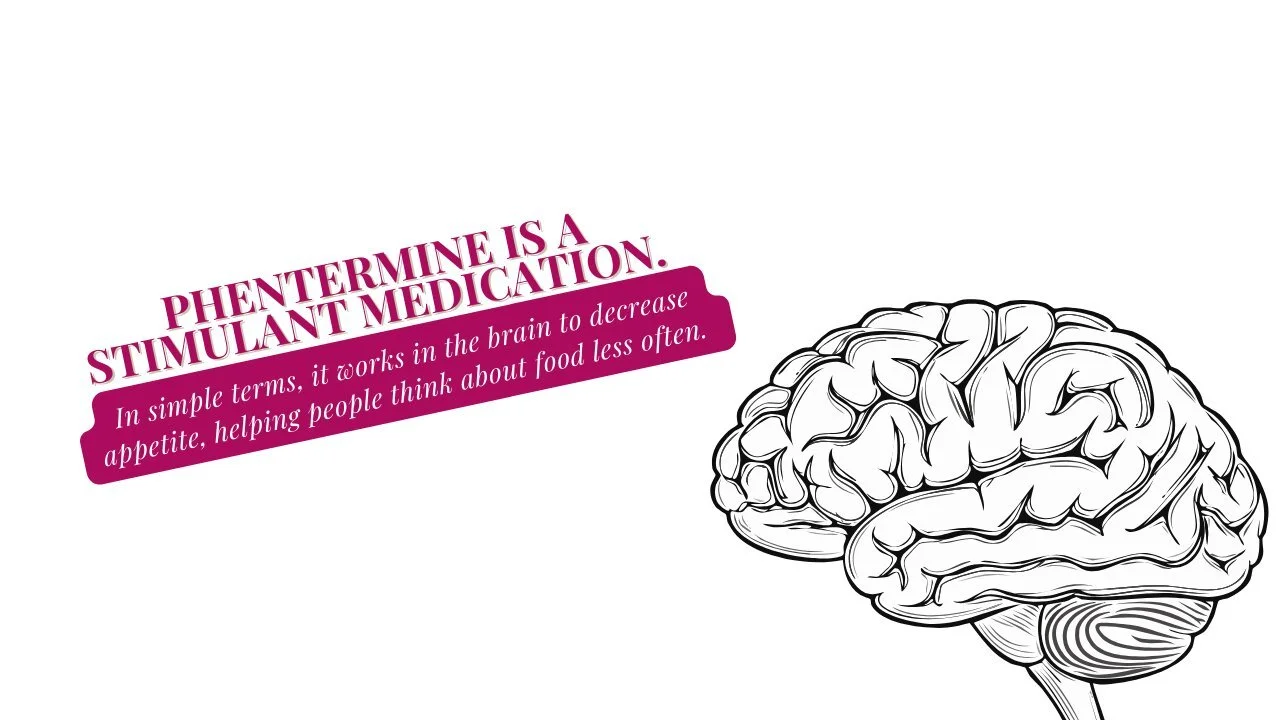
Before GLP-1 medications became widely used, phentermine was one of the most commonly prescribed treatments for medical weight loss. Phentermine is a stimulant medication. In simple terms, it works in the brain to decrease appetite, helping people think about food less often. Other medications in the same category—such as phendimetrazine and diethylpropion—work in a similar way. They quiet hunger signals but do not necessarily create a strong physical sense of fullness after eating. One limitation is that these medications typically last only part of the day. When their effects wear off, hunger can return quickly, which sometimes leads to overeating later in the day.
To improve results, phentermine was eventually combined with another medication called topiramate, and together they are marketed as Qsymia. This combination tends to produce greater weight loss than phentermine alone by strengthening appetite control. Another oral option is Contrave, which combines bupropion (a medication also used for depression and smoking cessation) with naltrexone (used in alcohol and opioid dependence). Together, these medications help reduce cravings and regulate appetite. The key distinction is that these non–GLP-1 medications primarily act on the brain to reduce the desire to eat, but they do not significantly increase the physical feeling of fullness after meals.
GLP-1 medications shifted the conversation because they address both sides of appetite regulation. They work not only in the brain to reduce food-related thoughts but also in the digestive system, slowing stomach emptying and enhancing satiety—meaning people feel full sooner and stay full longer. This dual effect helps explain why weight loss outcomes tend to be stronger and more consistent. Still, older medications remain valuable. Not everyone is a candidate for GLP-1 therapy, and some individuals do not tolerate it well. Having multiple tools available allows treatment to be individualized, which is ultimately the foundation of sustainable, long-term success.
Wegovy vs. Zepbound: How Much Weight Loss Do You Actually Need?
Comparing semaglutide (Wegovy) and tirzepatide (Zepbound), the real question isn’t just “Which one works better?” It’s more like: how much weight loss is realistic for your body, and how much do you actually need for your health? Studies show that Wegovy works well for most people. Around 9 out of 10 people lose at least a small but meaningful amount of weight (about 5% of their body weight). About 3 out of 4 lose 10%, and around half lose 15%. Roughly 1 out of 3 people lose 20% or more. Even losing just 5–10% of body weight can improve things like blood sugar, blood pressure, and cholesterol. Zepbound tends to lead to even bigger results on average. Almost everyone loses at least some weight, most people reach 10%, many reach 15–20%, and about 1 in 4 people lose more than 30%. That consistency is why Zepbound gets so much attention—it helps more people reach higher levels of weight loss.
That said, more weight loss isn’t always better. Not everyone needs to lose 20–30% of their body weight to be healthier. People with higher starting weights (like a BMI of 35 or higher) may need more significant changes to improve conditions like diabetes or sleep apnea. But many people starting these medications today are in the lower BMI range. For them, losing too much weight can actually be unnecessary—and in older adults, losing too much can increase the risk of muscle loss and feeling physically weaker. In those cases, a slower, more moderate approach is often safer and more realistic long term.
There are also new options with Wegovy itself. There’s now a pill version, which works about as well as the injection for weight loss, but it has to be taken on an empty stomach and may cause more stomach-related side effects. Higher-dose versions are also being studied, which could help close the gap between Wegovy and Zepbound for people who need more weight loss. At the end of the day, the goal isn’t to chase the biggest number on the scale. It’s about losing enough weight to improve health in a way that’s safe and sustainable. For some people, 10% is already life-changing. For others, more may be helpful. The best choice comes from a thoughtful conversation with a healthcare professional who can match the medication to what your body actually needs.
Why Weight Loss Is a Struggle—and How the Right Medication Makes the Difference
One of the biggest questions in weight management isn’t just how much someone wants to lose—it’s why losing weight has been so hard in the first place. That question really sets the stage for the whole plan. Weight struggles aren’t about laziness or willpower. Our bodies are wired to protect weight, with hormones that drive hunger and fullness, brains that create cravings and reward patterns, and modern environments full of food cues. For some people, these signals are just turned up louder. Some notice constant cravings or intrusive thoughts about food—what some call “food noise”—while others struggle more with portion control or feeling satisfied after a meal. Understanding which pattern is at play helps determine the best approach.
GLP-1–based medications are game changers for a lot of people because they hit both sides of the puzzle. They help you feel full faster and for longer while also quieting those food thoughts in the brain, which is why their results are often so consistent. But not everyone’s struggle looks the same. If impulsive snacking or grazing is the main challenge, medications like phentermine/topiramate or naltrexone/bupropion that act primarily in the brain can be super helpful—they reduce appetite and cravings even if fullness isn’t dramatically affected. Choosing the right therapy really comes down to matching the treatment to how someone actually experiences hunger, cravings, and eating behavior.
Medical history and related conditions also matter. Semaglutide, for example, can reduce heart attack, stroke, and cardiovascular death for patients with high cardiac risk, and it can help with metabolic-associated fatty liver disease. Tirzepatide has shown strong improvements in obstructive sleep apnea, which is a big consideration for people with both weight and sleep issues. Other meds, like topiramate, can help with migraines. Other stimulant-based options like lisdexamfetamine are FDA-approved for binge eating disorder, and GLP-1s or topiramate can offer some help in that avenue as well. At the end of the day, the goal isn’t just chasing the biggest number on the scale—it’s about aligning the treatment with the underlying biology, eating patterns, and overall health. When the approach matches the why behind the struggle, results are safer, more sustainable, and way more meaningful.
Results Matter—But So Does the Price Tag
Cost is often the unspoken reality in conversations about weight loss medications. After discussing expected results, most patients quickly ask the practical question: What is this going to cost me?
The answer can vary, and prices change frequently. At present, standard doses of tirzepatide (Zepbound) are typically around $450 per month, while semaglutide (Wegovy) averages closer to $350 per month. That makes Wegovy somewhat more affordable on paper. However, cost should always be considered alongside effectiveness. For some individuals, Zepbound may produce greater or more consistent weight loss, which could justify the higher monthly expense depending on their medical needs and goals.
Insurance coverage adds another layer of complexity. Some plans may only cover one of these medications. Others require patients to try older or less expensive treatments—such as phentermine or Contrave—before approving newer options. There may also be specific criteria related to body mass index (BMI), weight-related medical conditions, or prior treatment attempts. These requirements often determine what is realistically accessible, regardless of clinical preference.
Ultimately, affordability matters just as much as effectiveness. A medication only works if it is sustainable—both medically and financially. The most appropriate choice is one that balances results, safety, long-term health goals, and what fits within a patient’s budget and insurance landscape. A thoughtful, individualized discussion helps ensure the treatment plan is not only effective, but also practical for the long term.
Who Should Avoid Certain Weight Loss Medications
Safety should always be the first consideration when evaluating weight loss medications. Not every treatment is appropriate for every person, and understanding who should avoid certain options is essential for ensuring both safety and effectiveness. Weight loss medications are not recommended during pregnancy or while breastfeeding, and individuals in those situations should work with their healthcare provider to explore safer alternatives.
For GLP-1–based medications such as semaglutide (Wegovy) and tirzepatide (Zepbound), the main contraindication is a personal or family history of medullary thyroid cancer or Multiple Endocrine Neoplasia syndrome type 2 (MEN2), a rare genetic condition linked to increased thyroid cancer risk. People with significant gastrointestinal disorders, including gastroparesis or severe, ongoing vomiting, may also not be good candidates because these medications can worsen digestive symptoms.
Traditional weight loss medications come with their own precautions. Phentermine may not be suitable for individuals with heart disease, uncontrolled high blood pressure, anxiety disorders, or chronic sleep issues due to its stimulant effects. Topiramate—used alone or combined with phentermine—carries a risk of birth defects, making reliable pregnancy prevention critical for women of childbearing age.
Combination medications such as Contrave (bupropion plus naltrexone) also require careful screening. A history of seizures is a contraindication, as bupropion can lower the seizure threshold, and the medication may increase blood pressure. Heavy alcohol use can further raise risks. Ultimately, choosing the right medication requires an individualized assessment. A thoughtful conversation with a healthcare professional ensures that the treatment plan supports weight loss goals while prioritizing long-term safety.
Choosing the Right Weight Loss Medication: Pills, Injections, and Personalized Approaches
When it comes to choosing a weight loss medication, one of the first things to think about is the form it comes in. Some people are totally fine with injections, while others prefer the simplicity of a pill. The cool thing is that GLP-1 medications are evolving to give more options. Oral Wegovy is already out, and we’re expecting more oral GLP-1 medications to hit the market in 2026. This kind of flexibility can make a big difference for patients who don’t want or can’t tolerate injections.
Individual experience with the medication is just as important. Even with genetic testing or careful assessment, it’s not always possible to predict exactly how someone will respond. For example, someone might start on phentermine and notice it messes with their sleep or makes their heart race, which would mean switching to something else. And while GLP-1 medications work for most people, they’re not universal—about 10% of patients may not tolerate them or may not see meaningful weight loss. Spotting that early and making adjustments is key for both safety and results.
Combination therapy can also be a tool, but it requires caution. Combining two GLP-1 medications, like Wegovy and Zepbound, isn’t recommended - there’s just no safety data yet. That said, layering medications from different classes can work well. For instance, a patient who’s already on phentermine or Contrave might add a GLP-1 medication for more substantial weight loss. Or someone on a GLP-1 who’s losing some weight but still struggles with cravings could benefit from adding a stimulant or Contrave. These combinations target different mechanisms, helping with both hormonal and behavioral drivers of eating. At the end of the day, it’s all about having a thoughtful plan with your healthcare professional that fits your goals, lifestyle, and medical needs in a safe and sustainable way.
Do You Really Need More Weight Loss?
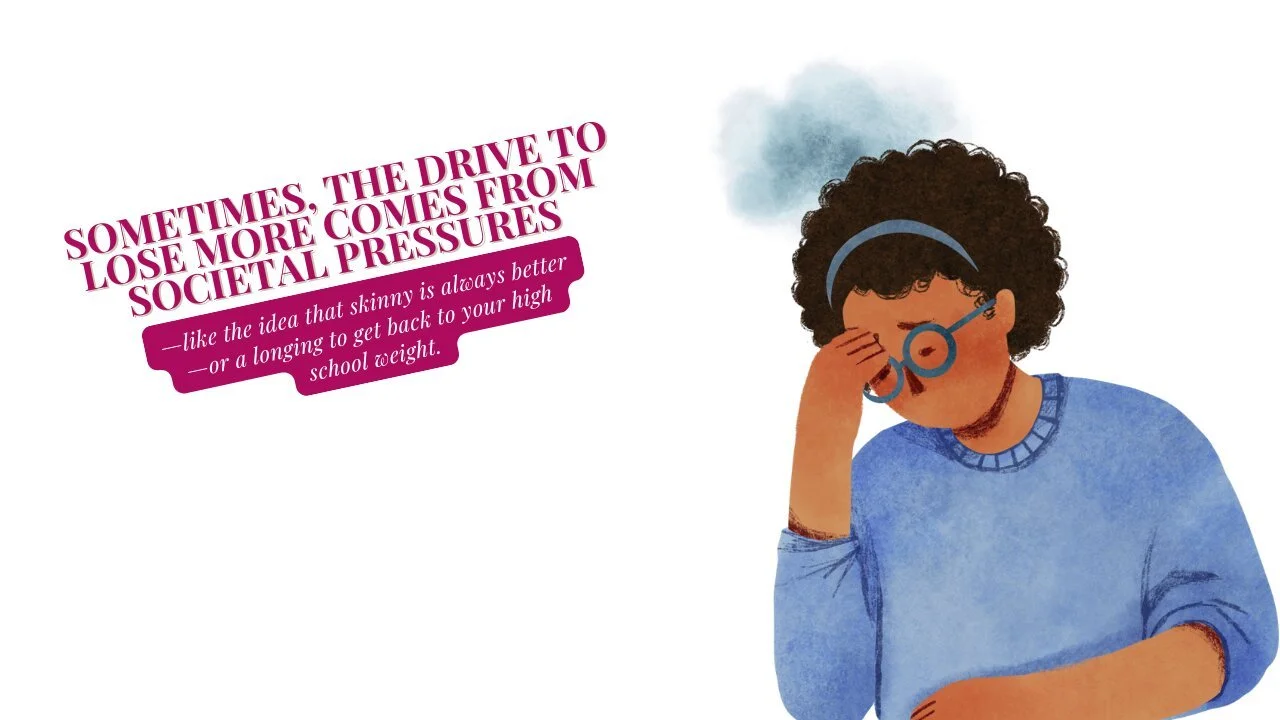
When it comes to thinking about losing more weight, the first question to ask is actually pretty simple: do you really need to? This is something that comes up a lot in clinical practice and even online forums, where people—and even doctors—wonder how to break a plateau. The first step is to take a look at what’s already been achieved. If someone has already lost 20–25% of their body weight, it’s worth pausing to see if there’s a real medical reason to push further. Sometimes, the drive to lose more comes from societal pressures—like the idea that skinny is always better—or a longing to get back to your high school weight. In those cases, chasing more pounds doesn’t usually give meaningful health benefits and can just add stress.
But, of course, there are situations where more weight loss can actually make a difference. If a person is still dealing with health concerns, struggling with food in a way that affects daily life, or could see real medical improvements from losing more, then taking further steps can be totally justified. That might include combining medications or exploring other strategies—but always with a healthcare professional guiding the process. It’s about making smart, safe choices, not just pushing for the highest number on the scale.
The big takeaway here is that more weight loss isn’t automatically better. The goal should be focusing on health, well-being, and progress that can be maintained over the long term. When the plan is tailored to your actual medical needs and lifestyle, any extra effort is more likely to be safe, meaningful, and sustainable. It’s all about balancing results with real-life practicality, not just chasing a number.
Now that you’ve got a clearer picture of how weight loss medications work, who they help most, and the factors to consider, there’s a full conversation waiting that dives even deeper. Explore the episode to hear all the details, real-world insights, and guidance straight from experts to help make sense of your options and what could work best for your health journey.
More from The Dr. Francavilla Show:
Subscribe to The Dr. Francavilla Show on