
Healthy Eating and Weight on a Budget With Dr. Mollie Cecil and Emily Shreve

What does it really look like to make healthy choices for your weight and overall health when money is tight, resources are limited, and access to care is not always equal?
Today’s conversation focuses on how to support nutrition, movement, and medical care in a realistic way when working within a budget. Joining me are two incredible guests who bring both clinical expertise and lived perspective to this topic.
First is Dr. Mollie Cecil, a family physician and obesity medicine specialist, and a lifelong resident of West Virginia. She has seen firsthand how obesity medicine looks in underserved communities, both as a physician and through her own lived experience as a patient. Alongside her clinical work in full-time obesity medicine, she serves as Vice President of the West Virginia Academy of Family Physicians and is part of the Obesity Medicine Association’s National Advocacy Committee. Her work centers on expanding access to comprehensive obesity care regardless of zip code, income, or insurance status.
Also joining is Emily Shreve, a registered dietitian based in West Virginia. She works in medical weight management and family medicine, with additional experience in integrative diabetes care and patient education. She holds a Bachelor of Science in Nutrition Sciences from Indiana University of Pennsylvania and a Master of Science in Nutritional and Food Science from West Virginia University, and she is currently pursuing board certification in obesity and weight management. Her passion lies in reducing weight stigma and translating evidence-based nutrition into guidance that fits real-life circumstances.
Together, they bring a grounded, real-world perspective on what it actually means to make sustainable health choices in the face of financial and systemic barriers.
Keep reading to learn more about budget-conscious strategies in nutrition, movement, and medical care that can make a real difference in health—no matter the financial or systemic barriers.
Eating Well on a Budget: A Realistic Approach to Nutrition and Food Insecurity
Food insecurity is something a lot of people deal with at different points in life, and honestly, it doesn’t always get explained in a clear or approachable way. At its core, it means having limited or uncertain access to enough nutritious food, and really, that’s not just about what’s on the plate. It really impacts overall health, energy levels, and long-term well-being. When consistent nutrition isn’t available, it becomes harder for the body to function at its best, and it also reflects bigger social and financial factors that shape health in real, everyday ways.
Because of that, nutrition advice has to be practical and realistic, not idealistic. There’s no one-size-fits-all approach, especially when someone is working with a tight budget or limited access to food. One of the big priorities in nutrition, especially in obesity medicine, is protein, but the usual sources like meat or ready-made protein shakes can get expensive fast. So a more realistic approach is leaning into affordable, nutrient-dense options like oats, peanut butter, soy products, beans, nuts, and whole grain pasta. These foods are widely available, super versatile, and can stretch a lot further without breaking the budget.
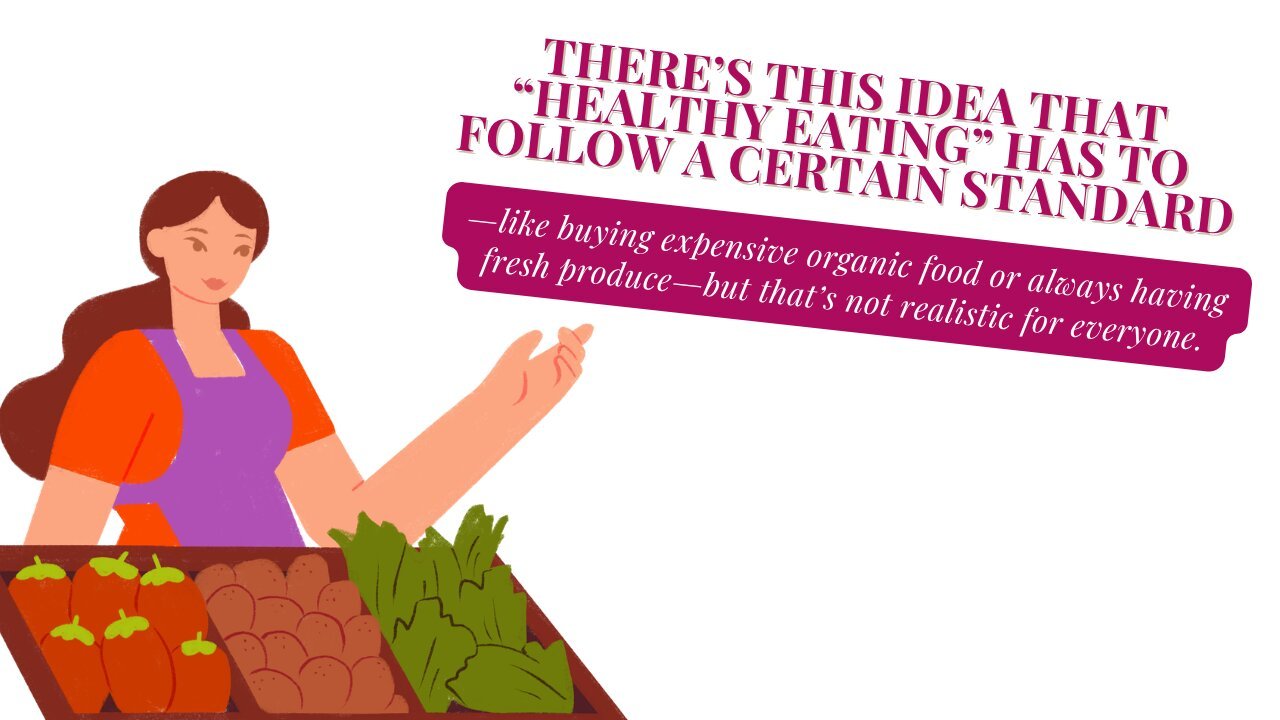
There’s also this common idea that “healthy eating” has to look a certain way—like expensive organic groceries or super fresh produce all the time—but that’s just not realistic for everyone. Canned and frozen foods are completely valid options, and honestly, they can be just as nutritious. Frozen vegetables, for example, are often picked at peak ripeness and preserved in a way that locks in nutrients, while canned options are convenient and accessible, especially when fresh produce might spoil quickly. In the end, it’s really about flexibility and consistency, not perfection. Like, the goal is just to make it easier for people to actually get nutritious food in a way that fits their life and resources, so they can stay supported long-term.
How Food Is Prepared and Its Impact on Nutrition
How food is prepared plays a role in its nutritional value. Different cooking methods can affect how many nutrients are retained in vegetables and other foods.
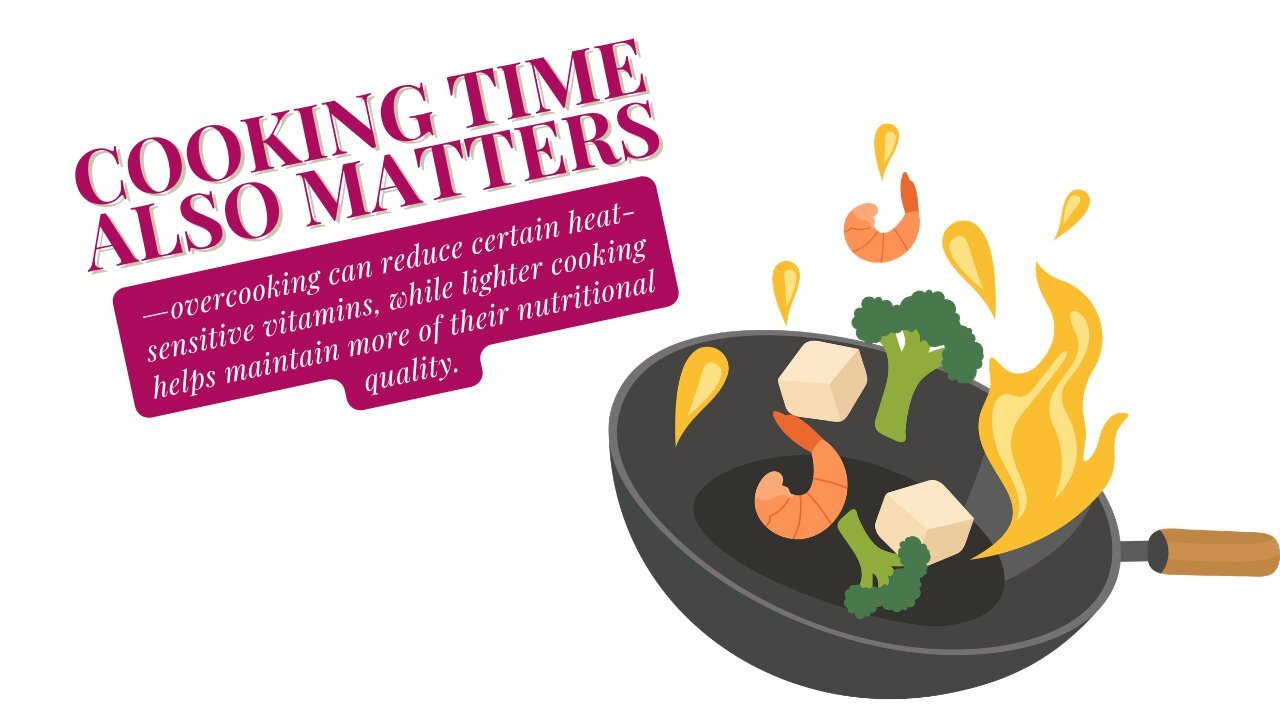
For example, steaming tends to preserve more nutrients compared to boiling, where some vitamins can leach into the water. Gentle cooking methods like steaming or sautéing often help keep more of the food’s natural nutrients intact while also improving texture and flavor. Cooking time also matters—overcooking can reduce certain heat-sensitive vitamins, while lighter cooking helps maintain more of their nutritional quality.
Even small choices, like how long food is heated or how much liquid is used, can slightly influence nutrient retention. But the goal isn’t to follow strict rules or chase perfection. It’s more about understanding that preparation methods can make small differences, while still keeping meals enjoyable and easy to stick with.
Eating Smart on a Budget: Simple Ways to Stretch Nutrition Further
When money is tight, nutrition often becomes a balancing act. The goal isn’t to overhaul everything overnight, but to find small, practical ways to make food choices more sustainable while still supporting overall health.
One helpful approach is learning how to stretch more expensive ingredients. Instead of relying on ready-made options like protein shakes, using protein powder can go much further. A container of protein powder can last for months, making it a more cost-effective way to increase protein intake. Rather than drinking it on its own, it can be added into everyday meals—mixed into oatmeal, blended into smoothies, or incorporated into recipes like pancakes, muffins, or even baked goods by swapping part of the flour. This allows for a steady intake of protein without significantly increasing food costs.
Simple adjustments can also make a difference when transitioning to healthier options. For example, if whole wheat pasta feels too unfamiliar or expensive, combining it with regular pasta can help ease the shift. This keeps meals more affordable while still improving overall nutrition. Small, gradual changes like this are often more sustainable than trying to completely change eating habits all at once.
Another practical strategy is finding ways to add nutrients into foods that are already part of a routine. Protein-rich snacks, such as no-bake energy bites made with oats, peanut butter, and protein powder, are a simple and budget-friendly option. There are also many recipes available that incorporate protein into both sweet and savory dishes, from baked meals to soups and dips. These kinds of meals help “sneak in” nutrients without requiring a complete shift in eating patterns.
This approach becomes even more important for individuals who may have a reduced appetite, whether due to medications or other factors. When eating less overall, each meal needs to carry more nutritional value. The focus shifts from simply eating enough food to making sure the body is still getting the nutrients it needs to function well.
At its core, this way of thinking about nutrition is flexible and realistic. It’s not about perfection or strict rules, but about making the most of what’s available. By stretching ingredients, making gradual swaps, and finding simple ways to add nutrients into everyday meals, it becomes much easier to maintain consistency—and that consistency is what supports long-term health.

No Gym, No Problem
For many people, staying active can feel a little challenging, especially when access to a gym is limited by cost, distance, or just overall convenience. But the truth is, a gym is not required for movement at all. Some of the most sustainable and effective ways to stay active actually happen outside of a gym setting, and once that mindset shifts, it becomes a lot easier to see movement as something flexible and accessible rather than something rigid or all-or-nothing.
A helpful starting point is remembering that all movement counts. Physical activity doesn’t have to mean intense workouts or long sessions on equipment to be beneficial. Even small, consistent movement throughout the day can support overall health in meaningful ways. For those who prefer structure, home-based workouts can be a great option, especially with free resources available online like YouTube, where there are beginner routines, low-impact options, seated exercises, and more. The key benefit here is accessibility—you can move at your own pace, in your own space, without pressure or comparison.
It also helps to shift the mindset from “exercise” to simply asking, how does the body like to move? For some people, that might look like walking, dancing, stretching, or light strength work at home. And honestly, it’s okay if movement doesn’t always feel exciting—sometimes it’s more about consistency than enjoyment, kind of like brushing your teeth.On top of that, small habits like parking farther away, taking short walks, or adding little bursts of movement during the day really do add up over time. Budget-friendly options like secondhand equipment or free wellness apps through insurance or community programs can also help support consistency. Movement doesn’t have to be perfect or intense—it just needs to be doable, repeatable, and something that fits into real life, because that’s what actually supports long-term health.
Making Weight Loss Medications More Accessible: Options, Tradeoffs, and Real-World Solutions
The cost of medications is one of the biggest barriers in weight management, and for many people, paying hundreds of dollars a month just isn’t realistic. That concern is completely valid. But even with financial limits, there are still workable options that can support progress and improve health over time. It’s really about knowing what’s available and matching treatment to both medical needs and budget.
Working with a provider who has experience in obesity medicine can make a big difference because medication choices are actually more flexible than they first seem. While newer options like semaglutide or tirzepatide often get most of the attention, they are not the only tools. Older, more affordable medications like phentermine can help with appetite control when used with proper monitoring, and metformin may be useful for people with insulin resistance or prediabetes. These options may not produce the same level of weight loss as newer treatments, but they can still be clinically helpful. In some cases, insurance may also cover certain medications, which can bring costs down to a manageable copay.
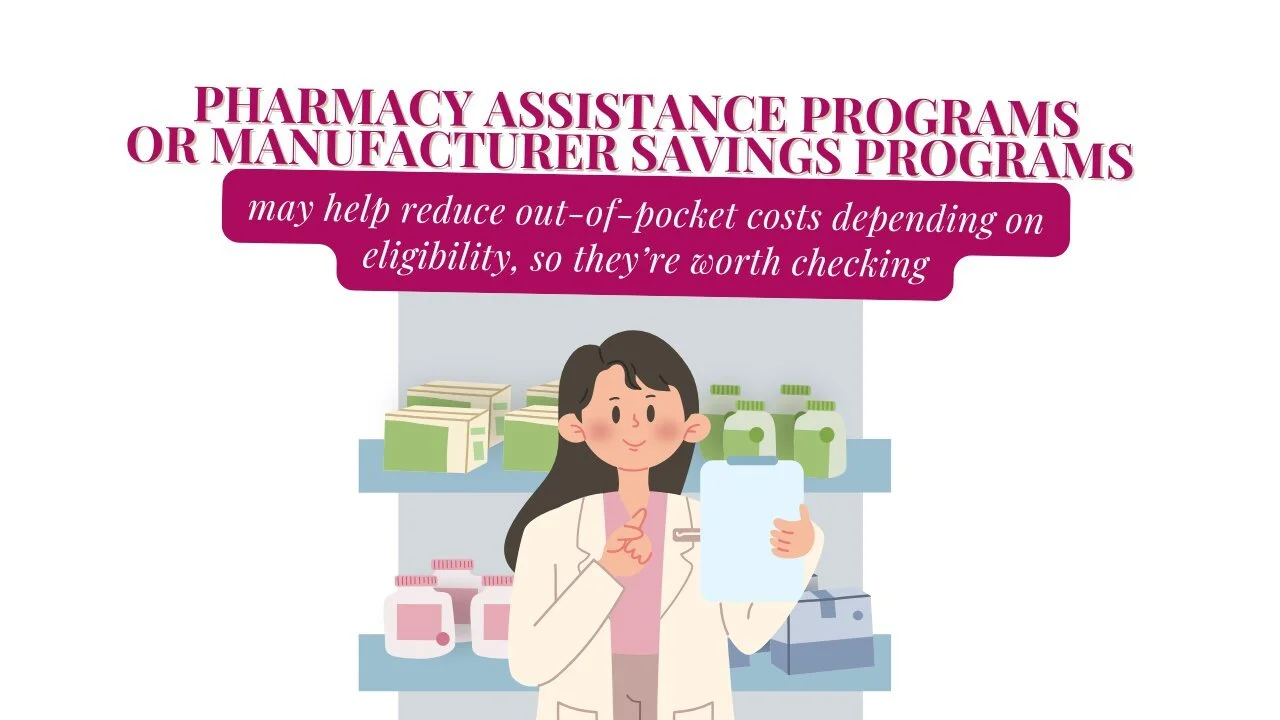
There are also additional ways to make treatment more accessible. Pharmacy assistance programs or manufacturer savings programs may help reduce out-of-pocket costs depending on eligibility, so they’re worth checking. It’s also helpful to review current medications, since some prescriptions can contribute to weight gain and may be replaced with more weight-neutral alternatives. At the end of the day, there isn’t one perfect path, but there are more options than it might seem at first glance. With the right guidance, it’s possible to find a plan that supports both health goals and financial reality in a sustainable way.
Helping Address Food Insecurity
Food insecurity is a real issue affecting many individuals and families who are working with limited access to consistent, nutritious food. And for people who want to help, there are actually simple but meaningful ways to step in. On a practical level, donating to food banks and food pantries can make a direct impact. Items like whole grains, low-sodium canned beans, and unsweetened applesauce are especially helpful because they’re nutritious, shelf-stable, and easy to distribute. These kinds of donations help support not just calorie needs, but more balanced nutrition for people relying on assistance.
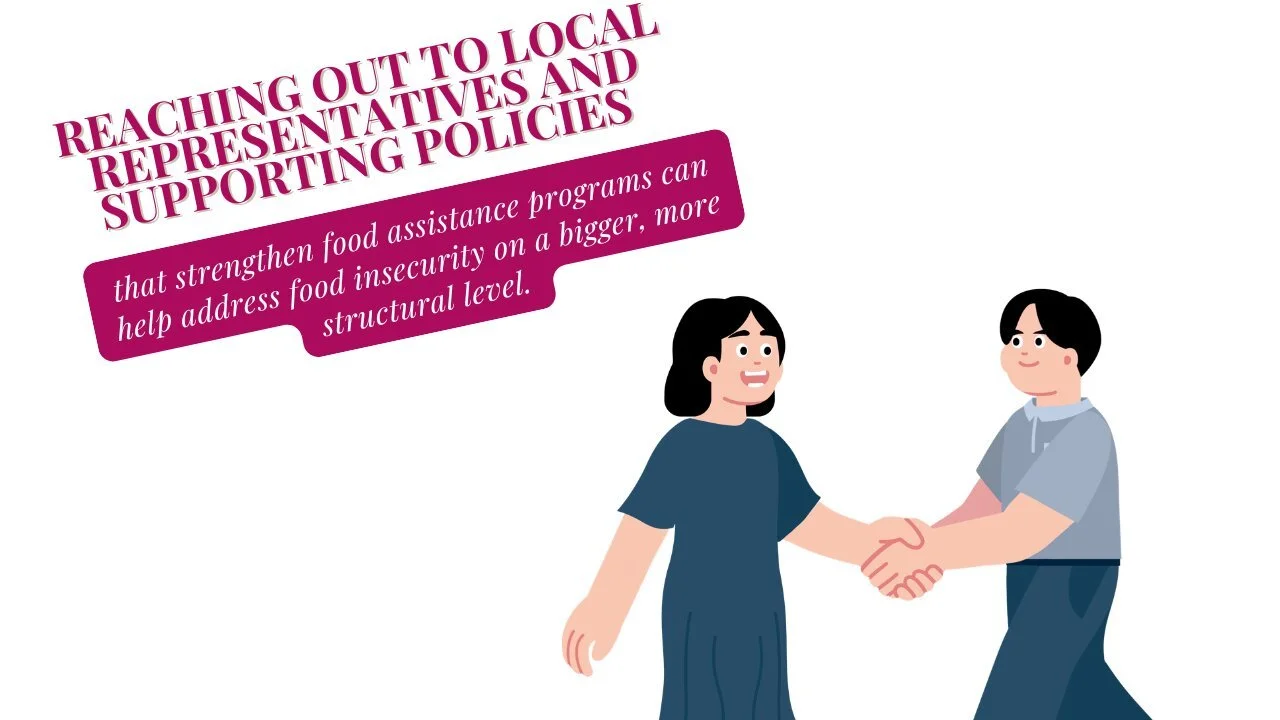
But support doesn’t stop at donations—it also includes advocacy and awareness. Reaching out to local representatives and supporting policies that strengthen food assistance programs can help address food insecurity on a bigger, more structural level. At the same time, it’s really important to normalize using food assistance resources. Food banks and pantries exist for exactly this reason, and no one should feel ashamed for needing them. Reducing that stigma helps more people access the support that’s already available.
On a community and healthcare level, needs can change quickly depending on economic or environmental factors, and that’s why ongoing support matters so much. Healthcare providers and caregivers also play a role by asking about food access and understanding a patient’s real-life situation before giving nutrition advice. Because really, recommendations only work if they actually fit someone’s circumstances. Addressing food insecurity takes a mix of individual action, community awareness, and policy-level support—all working together to make access to food more stable and realistic for everyone.
As we wrap up today’s conversation, one thing is clear—supporting health, weight management, and nutrition isn’t about perfection or having unlimited resources. It’s about meeting people where they are and finding realistic ways to make progress, whether that’s through food choices, movement, or access to care. When we shift the focus to what is actually doable in real life, especially within budget constraints, health becomes a lot more sustainable and a lot less overwhelming.
A big takeaway from today is that there are always options, even when things feel limited. From flexible nutrition strategies and affordable food choices, to accessible movement and more cost-conscious medication approaches, the goal is to work with what’s available—not against it. And just as important, addressing barriers like food insecurity and medication access requires both individual awareness and broader community and policy support.
If today’s episode resonated with you, take a moment to reflect on one small change you can start with this week—something simple, realistic, and supportive of your current situation. And if you found this conversation helpful, make sure to subscribe, share this episode with someone who might benefit from it, and join us again next time as we continue breaking down practical, evidence-based ways to support health in real life.
More from The Dr. Francavilla Show:
Subscribe to The Dr. Francavilla Show on