
Genetics of Obesity with Dr. Jesse Richards
What If Your Weight Struggle Was Never Really About Willpower?
What if the reason some people struggle with their weight their entire lives has nothing to do with what they're eating or how hard they're trying — and everything to do with their DNA? It's a question that doesn't get asked nearly enough, and today, we're diving deep into exactly that.
This week, we're tackling a topic we've never covered before on the podcast: the genetics of obesity. And honestly, it's long overdue — because for so many people living with severe obesity, the missing piece of the puzzle isn't a better diet plan or more motivation. It might be written right into their genetic code.
Today's guest is Dr. Jesse Richards — board-certified in internal medicine and obesity medicine, Director of Obesity Medicine at the University of Oklahoma School of Community Medicine, and the person his colleagues call when they have questions about the genetics of obesity. His research covers genetic obesity, GLP-1s, and novel treatments for obesity and substance use disorders. Safe to say, he knows this space better than almost anyone.
In this episode, we cover everything from how a single gene defect can completely derail the body's weight-regulation system, to the specific syndromes clinicians look for, to why identifying a genetic cause can open the door to treatments that actually target the root of the problem. Whether you've been struggling with your weight for years and never had answers, or you're a clinician looking to sharpen your approach, this conversation is one you'll want to hear from start to finish. Scroll down for the full breakdown — from the science behind monogenic obesity, to the syndromes most people have never heard of, to what treatment can actually look like when you finally have the right diagnosis.
What Sparked Dr. Jessie's Interest in Genetic Obesity
Dr. Richards' interest in the genetics of obesity began after seeing a growing number of patients with severe obesity at a young age. As a specialist at a tertiary referral center, he noticed that many new patients had BMIs well above 50, with some in their 20s already reaching levels that were difficult to explain through lifestyle factors alone.
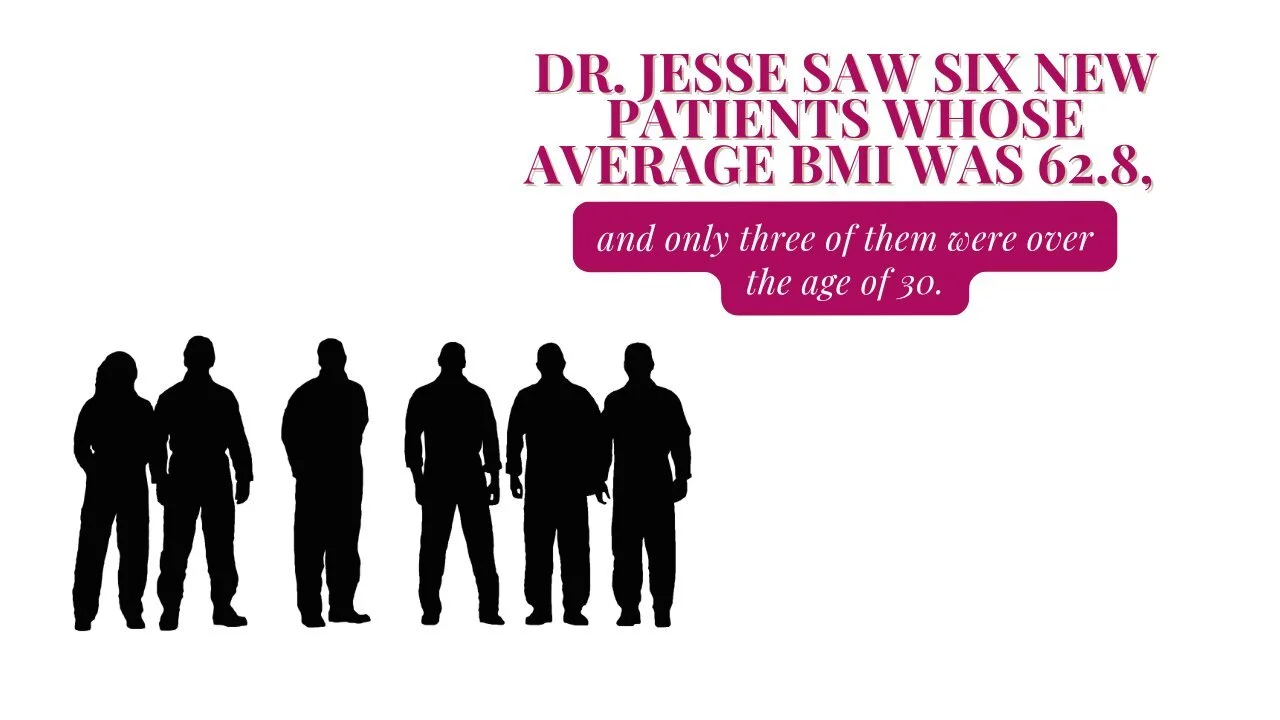
One day in 2023, he saw six new patients whose average BMI was 62.8, and half of them were under the age of 30. Experiences like this led him to ask a deeper question: why were some people developing such severe obesity while others with similar diets and activity levels were not?
Around the same time, genetic testing for obesity became more accessible. Expecting positive results to be uncommon, he began testing patients and was surprised to find that many carried genetic variants linked to obesity. In fact, after receiving 16 consecutive positive results, he was caught off guard when the next test came back negative.
He also started identifying patients with syndromic forms of obesity — conditions he had studied for board exams but never expected to encounter regularly in practice. Finding multiple patients who met both the clinical and genetic criteria highlighted just how important genetics can be in certain cases of severe obesity.
These experiences shifted his focus toward understanding the biological drivers of obesity and how genetic differences may contribute to why some individuals develop severe obesity much earlier and often more aggressively than others.
Why Some People Are Born With a Stronger Genetic Drive Toward Obesity
Most of the time, obesity involves a mix of many genes, each contributing a small but compounding effect. But there's a specific type called monogenic obesity, where a single gene defect disrupts one of the body's core weight-regulation pathways. These pathways are the communication network between your brain, stomach, and fat tissue — responsible for telling your body when you're full, how much energy to burn, and how to keep your weight in balance. When one gene in that system isn't working the way it should, the whole feedback loop can break down, leaving the body genuinely unable to recognize when it has enough stored energy. Persistent hunger and significant weight gain aren't a willpower issue — they're a biological signal that's just not getting through.
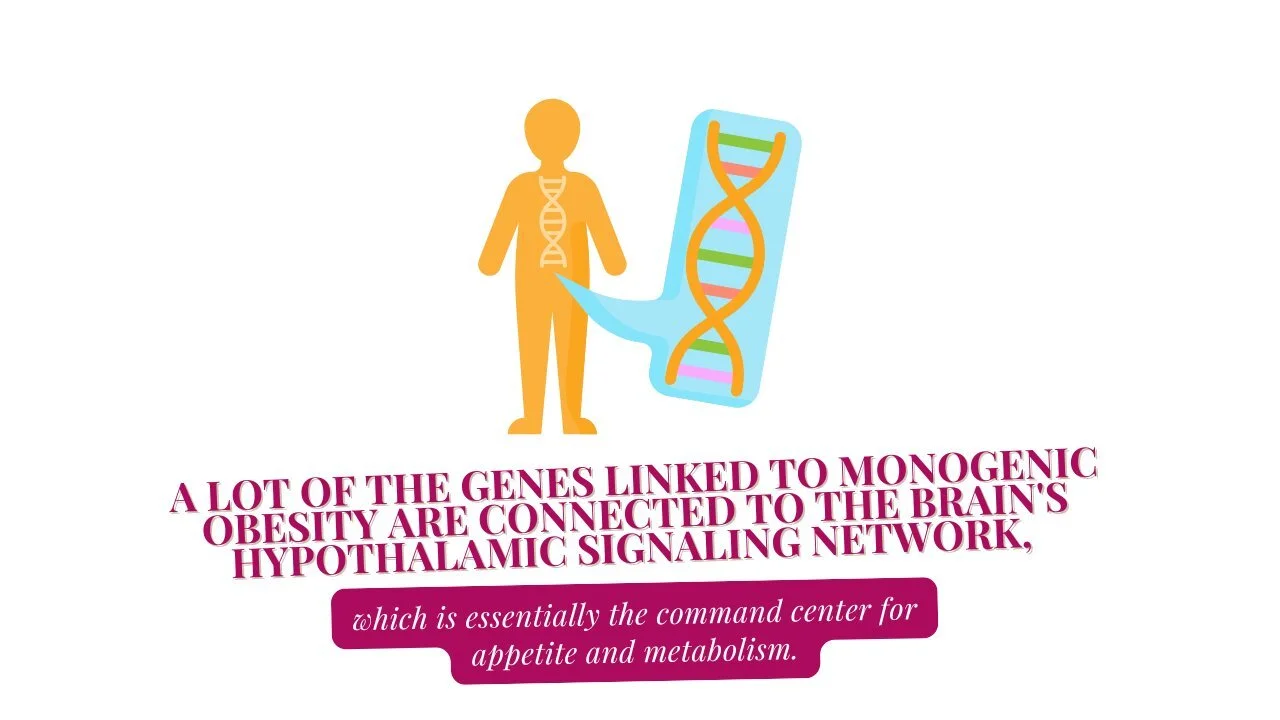
Many of the genes linked to monogenic obesity are connected to the brain's hypothalamic signaling network, which is essentially the command center for appetite and metabolism. In some cases, the issue is pretty straightforward — like someone born without the ability to produce leptin (a key hunger-regulating hormone) or without alpha-MSH, which helps signal fullness. For those individuals, targeted replacement therapies can restore the missing signal and make a dramatic difference. But in many cases, the problem is way more layered. Multiple interconnected pathways within the brain can be affected all at once, influencing each other in ways that are genuinely hard to predict. This is why a genetic test result on its own doesn't tell the whole story — it always needs to be interpreted alongside a person's full clinical picture, symptoms, and health history.
So how do clinicians know when to look for a genetic cause? One of the strongest clues is when severe obesity starts really early in childhood — that pattern raises more flags than weight gain that develops later in life due to medications or lifestyle factors. A family history of severe obesity across multiple generations can also point to an inherited biological predisposition. Other signs, like metabolic complications or developmental concerns alongside significant early weight gain, can further support the case for a genetic evaluation. Monogenic obesity is still relatively rare, but identifying it matters — because when you know the root cause, there's a real chance of finding more targeted, effective treatment options that can make a meaningful difference in someone's life.
The Genetic Syndromes Behind Severe Obesity That Most People Have Never Heard Of
Within monogenic obesity, there are two main categories — syndromic forms, where obesity comes alongside a broader constellation of symptoms, and non-syndromic forms, where severe weight gain is essentially the only major sign. The most common syndromic form is Prader-Willi syndrome, affecting about 1 in 20,000 individuals. It comes with developmental delays, growth hormone problems, diabetes, and as patients get older, severe hyperphagia that can become so intense that some individuals will eat non-food items. The second most common is Bardet-Biedl syndrome (BBS), affecting around 1 in 100,000 people, with hallmark signs that include early-onset kidney disease or renal failure, vision loss tied to retinal degeneration, and being born with an abnormal number of fingers or toes. These syndromic forms are ideally caught early in childhood — but that doesn't always happen.
On the non-syndromic side, the most common culprit is a mutation in the melanocortin 4 receptor gene (MC4R) — basically the brain's "we have enough fuel" signal up in the hypothalamus. When that receptor isn't working, the body never quite gets the message to stop taking in energy. Interestingly, people with MC4R mutations tend to be taller and have better bone density and skeletal muscle mass, so it doesn't always present the way you'd expect. Further up that same pathway, rarer mutations in POMC, PCSK1, and the leptin receptor can also cause severe obesity, though these affect only a few hundred thousand people worldwide. Because symptoms can overlap with general obesity, these cases are sometimes missed entirely — which is exactly why a thorough evaluation matters.
Identifying the specific syndrome or gene mutation involved can genuinely change the treatment plan. Every one of these disease states now has FDA-approved targeted therapies that work differently from standard anti-obesity medications or GLP-1s. Traditional treatments like bariatric surgery and GLP-1 receptor agonists can still be highly effective, but research is showing that a multidisciplinary approach — combining surgery with medications and targeted therapies — can result in around 45 to 48% total body weight loss over a few years, even in patients who come in with a BMI of 60. It's not about picking one path — it's about building a treatment plan that's actually tailored to what's biologically happening.
It's Not in Your Head — But It Is in Your Biology
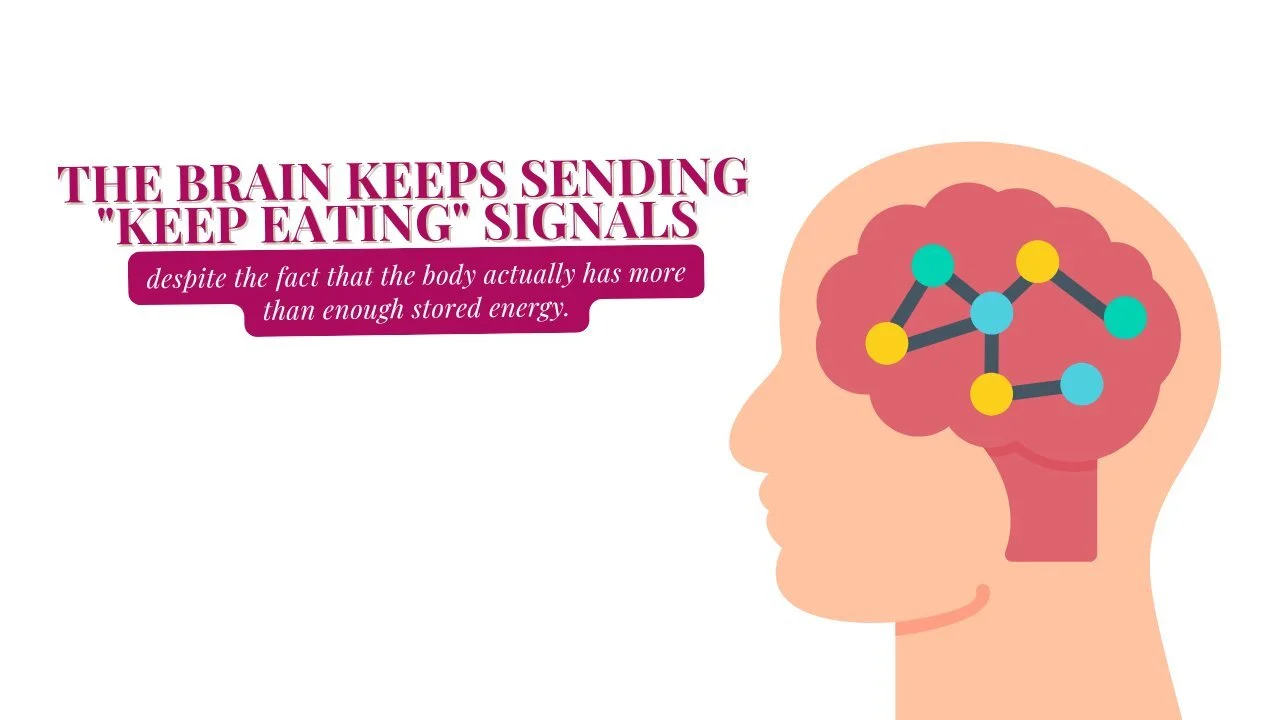
One of the most common — and most misunderstood — features of genetic obesity is something called hyperphagia, and it's basically what happens when the body's hunger and fullness signals stop working the way they're supposed to. For many people, the feeling of hunger is persistent and intense, even when the stomach is physically full. The brain keeps sending "keep eating" signals despite the fact that the body has more than enough stored energy. Some people describe never truly feeling satisfied until they've eaten to the point of real discomfort. But hyperphagia doesn't always look the same. Some individuals experience the opposite disconnect — they rarely feel hungry at all, rely entirely on external cues like the clock or seeing food to know when to eat, and still develop severe obesity. Both patterns point to the same underlying issue: the body's appetite-regulation system isn't doing its job.
What makes hyperphagia especially tricky is that it often goes unrecognized for years — sometimes decades. Because these experiences feel completely normal to the person living with them, many people just assume that everyone thinks about food this way, or that their struggles are a personal failure. They've likely been told, directly or indirectly, that it's a willpower problem. It's not. When clinicians take a detailed hunger history, the patterns often tell a very different story. Early-onset obesity — especially weight challenges that begin before puberty — is one of the strongest clues that something genetic might be going on. A family history of severe obesity across multiple generations can point in the same direction.
Identifying hyperphagia as part of a genetic condition can genuinely change the path forward. Several genetic obesity syndromes now have FDA-approved therapies designed to target the specific biological pathways involved — a very different approach from one-size-fits-all treatment. And beyond the clinical side of things, getting a diagnosis can be profoundly validating. For so many people, it finally provides an explanation for lifelong struggles with hunger, fullness, and weight that may have felt completely impossible to make sense of on their own.
Why Genetic Test Results Are Only Part of the Story
One of the most important things to understand is that genetic test results should never be viewed in isolation. Many people receive a report showing a variant or mutation and immediately worry that their future health is predetermined. In reality, carrying a genetic variant does not automatically mean someone will develop the condition associated with it — the overall clinical picture, including symptoms, medical history, and physical findings, is often far more important than the genetic result alone.
The opposite is also true. A negative genetic test doesn't mean genetics played no role in a person's weight struggles. Researchers continue to discover new genetic contributors to obesity, and many aren't yet included in commercially available testing panels. Our understanding of obesity genetics is growing rapidly — and that's actually a good thing, because it means the field is moving in the right direction.
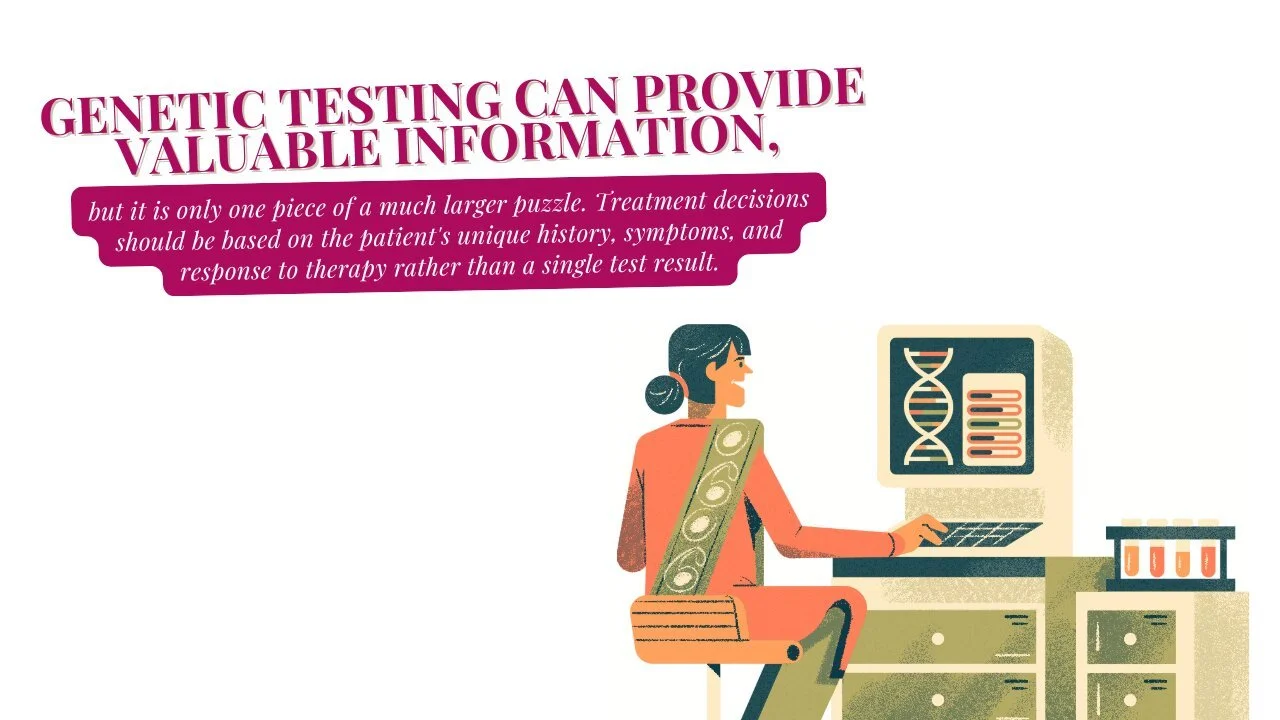
Obesity care is deeply individualized, and genetic testing is just one piece of a much larger puzzle. Treatment decisions should always be based on the patient's unique history, symptoms, and response to therapy — not a single test result. The goal isn't just to find an explanation. It's to work with patients over time, using evidence-based strategies to find the approaches that actually support their long-term health and quality of life.
If there's one thing to take away from everything Dr. Richards shared today, it's this: struggling with your weight doesn't mean you're not trying hard enough. For a lot of people, there is a very real biological reason behind what they've been experiencing — and in some cases, that reason has a name, a genetic marker, and even a targeted treatment. These are medical realities, not personal failures.
The field is still evolving, testing is becoming more accessible, and specialists like Dr. Richards are actively working to close the gap between what the research shows and what patients are being told. If any part of this conversation resonated with you — or if you recognize these patterns in yourself or someone you love — the full episode is absolutely worth your time. You can find it on the Dr. Francavilla Show wherever you listen to podcasts. And if it spoke to you, please share it — because someone in your life might really need to hear this.
More from The Dr. Francavilla Show:
Subscribe to The Dr. Francavilla Show on