
Cut Back Screen Time to Improve your Health and Weight
What if the biggest thing standing between you and your health goals wasn't food, or exercise, but the screen you're holding right now?
Today we're talking about screen time — how too much of it affects your health, your weight, and what you can actually do about it. I've got five problems screens create, and five solutions to go with them, so stick with me.
Screen time isn't something I bring up with patients as often as I probably should, but it shows up in two specific places in my practice. The first is during a comprehensive annual wellness visit, where I think about screens the same way I think about substances like alcohol, tobacco, or marijuana — something we tend to overuse, often to numb out or fill a void, and something we can usually cut back on to genuinely improve our health. The second is in weight maintenance. Once a patient reaches their goal weight and we shift into maintenance mode, I walk through a handout built around the National Weight Control Registry — a long-running study tracking people who lost 30 or more pounds and kept it off for at least a year. One of the most telling data points from that registry: 62% of people who successfully maintained their weight loss were watching less than 10 hours of TV a week. That's still over an hour a day, so there's plenty of room for your shows — but it tells us something real about the role screens play in long-term success. Today we're getting into exactly why.
Stick around — I'm walking through all five of these in detail, plus practical ways to start putting them into practice today. Keep reading to find out where you might be losing more than you realize.
The Sneaky Way Screen Time Is Draining Your Daily Movement
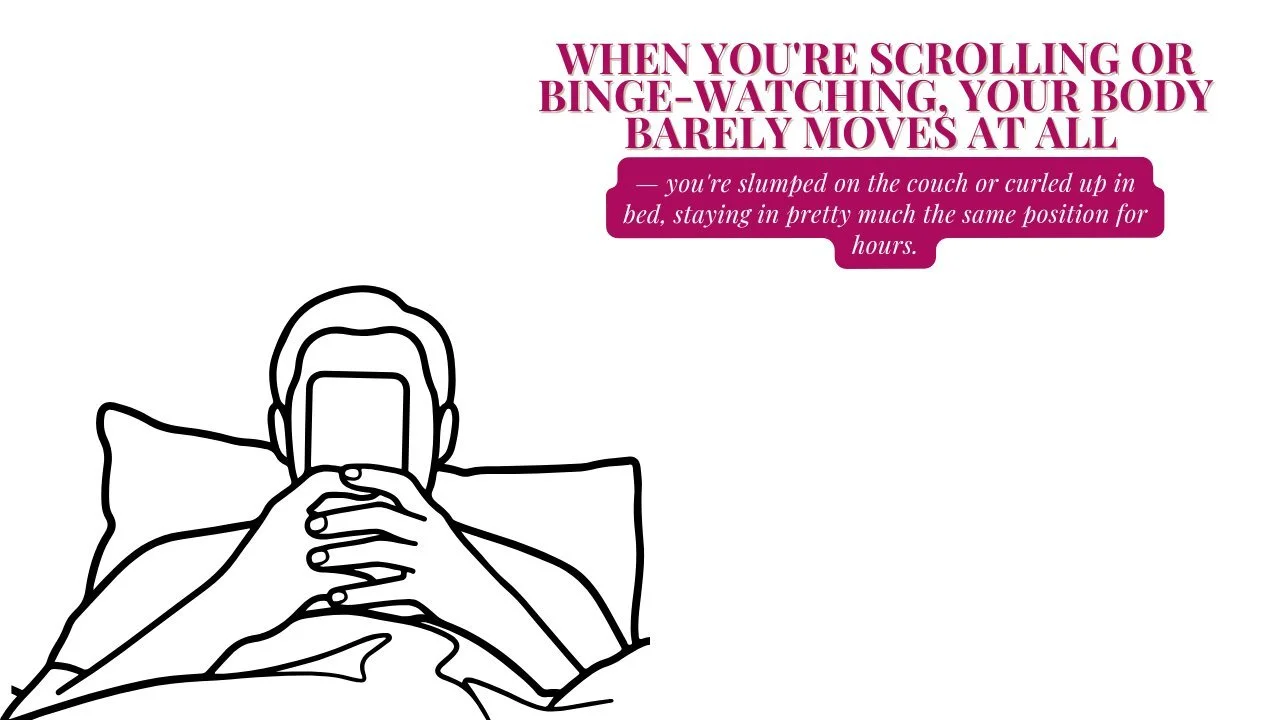
Okay, so here's the thing about screen time that nobody really talks about: it's not the screen itself that's the problem, it's everything it's quietly pushing out of your day. Think about it — when you're scrolling or binge-watching, you're basically frozen. Slumped on the couch, curled up in bed, barely shifting an inch for hours. And sure, folding laundry during a show totally counts as an exception, but for the most part, screen time is like, the least active thing we do with our free time. If that phone or remote wasn't in your hand, you'd probably be doing a puzzle, tidying the kitchen, playing with your dog, or just wandering around the house paying bills — none of which is "exercise," but all of which keeps your body moving in ways you don't even clock.
That's basically the whole idea behind NEAT, or non-exercise activity thermogenesis (fancy term, simple concept). It's every bit of movement that isn't a workout — walking to your car, taking the stairs instead of the elevator, standing at the sink, carrying groceries in from the car. Tiny stuff, but it adds up in a real way. And when screen time creeps in and replaces those little moments, your NEAT quietly drops without you noticing. That matters more than it soun/ds like it should, because more sitting has genuinely been linked to a higher risk of cardiovascular disease, while even short bursts of movement throughout the day can help protect your heart.
So the benefits here go way beyond just "burning a few extra calories," though that's part of it too — moving more throughout the day also supports better blood sugar regulation, keeps stiffness and aches at bay, and honestly just tends to leave people in a better mood. The takeaway is pretty simple once you see it: screen time isn't really replacing your workouts, it's replacing your movement. And those small, everyday moments matter more than most people give them credit for. You don't need to add another gym session to your week — just choosing activities that keep you a little more on your feet can make a real difference for your health.
Why Screen Time and Snacking Go Together More Than You Realize
Real talk — one of the sneakiest ways screen time messes with your health has nothing to do with exercise at all, it's about eating. You sit down to watch a show, grab a bag of chips "just to have a few," and somehow the bag is empty before the episode even ends. That's because when your eyes are on a screen, your brain isn't really clocking what's happening with your hands and your mouth. You're not tasting the food, you're not registering how much you've had, you're just... consuming on autopilot. And honestly, you probably didn't even enjoy it that much, because your attention was somewhere else entirely.
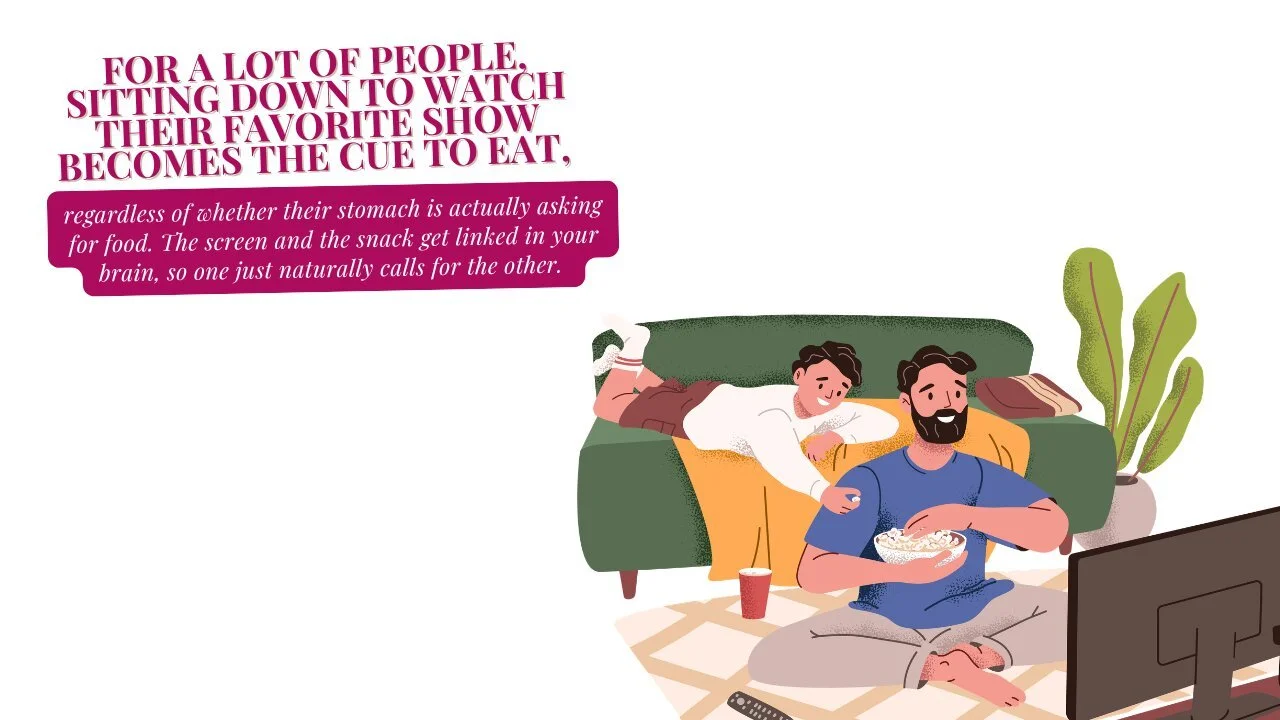
The wild part is that this isn't really about hunger at all — it's a learned pattern. For a lot of people, sitting down to watch their favorite show becomes the cue to eat, regardless of whether their stomach is actually asking for food. The screen and the snack get linked in your brain, so one just naturally calls for the other. Add in the constant stream of food ads and commercials showing off cheesy, crunchy, sugary things, and your cravings get triggered even when you weren't hungry a minute ago. Take the screen out of the equation, though, and that automatic urge to snack usually fades — if you're busy doing something else, food often doesn't even cross your mind.
The fix here is actually pretty simple: separate the two activities. Instead of eating in front of the TV, pause the show and bring your snack to the kitchen table or counter, then actually sit with it for a few minutes without any distractions. Once you're done, put the food away before you go back to your screen. This one small shift makes a huge difference, because it helps you actually notice when you're satisfied instead of eating past the point of fullness. At the end of the day, screens don't just take up your time — they quietly shape your eating habits too, and creating a little distance between the two can help you eat with way more intention.
The Hidden Link Between Blue Light, Sleep, and Weight
There's a whole other layer to the screen time conversation that has nothing to do with what you're watching and everything to do with the light itself. Phones, tablets, laptops, TVs — they all give off blue light, and that light actually messes with your body's natural sleep-wake rhythm. It's part of why experts keep pushing the "put the phone down before bed" advice. Sure, a suspenseful show or an endless scroll can keep your brain wired, but separate from that, the blue light itself is basically sending your brain a signal that says "stay awake," which makes drifting off way harder than it needs to be.
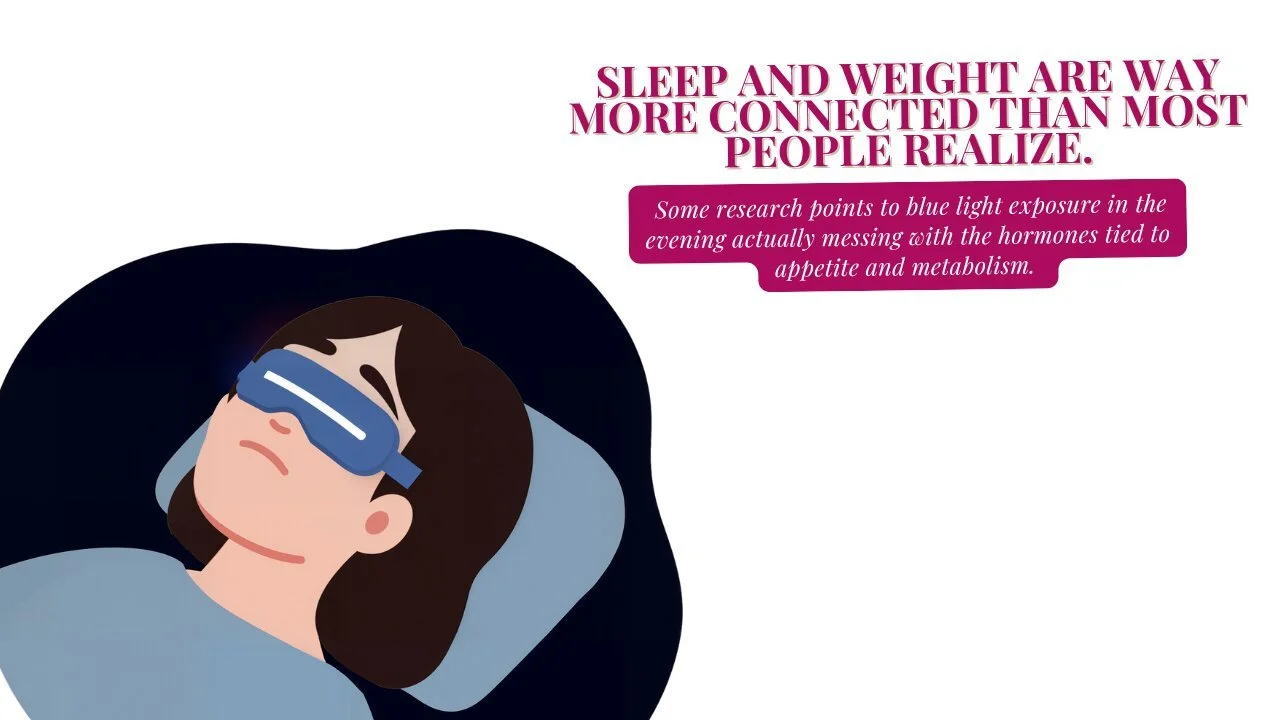
Here's where it gets interesting, though: sleep and weight are way more connected than most people realize. Some research points to blue light exposure in the evening actually messing with the hormones tied to appetite and metabolism. It's not a super simple, one-to-one relationship, but between disrupted sleep and shifted hormone levels, keeping a healthy weight can genuinely get harder when your evenings are packed with screen exposure.
The good news is the fix doesn't have to be drastic. If sleep or weight has been a struggle, try setting your devices aside for just 30 to 60 minutes before bed — that small window alone can make a noticeable difference in how easily you fall asleep and how your body handles that evening blue light exposure. At the end of the day, screens aren't just shaping your habits and choices, they're quietly influencing your biology too, from your hormones to your sleep cycle, and both play a huge role in your overall health.
The Stress Connection Nobody Talks About With Screen Time
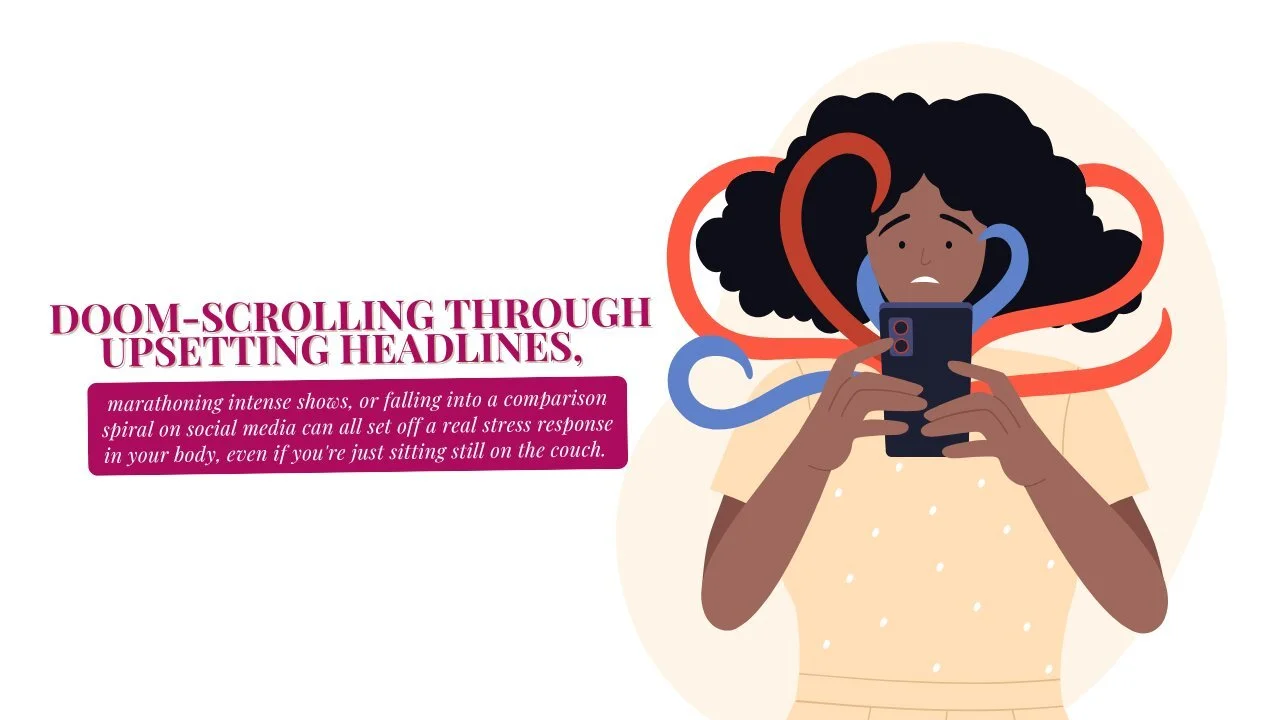
There's another piece of this puzzle that goes beyond just how long you're on your phone — it's what you're actually looking at while you're on it. Doom-scrolling through upsetting headlines, marathoning intense shows, or falling into a comparison spiral on social media can all set off a real stress response in your body, even if you're just sitting still on the couch. And that stress isn't just a mental thing — it shows up physically too, through a hormone called cortisol. A little cortisol here and there is totally normal and even helpful, but when it stays elevated for too long, it's been tied to stronger cravings for salty, sugary, high-calorie foods, which makes eating well a lot tougher than it should be.
Then there's the sleep piece, which makes everything trickier. Stress messes with sleep, poor sleep bumps cortisol even higher, and suddenly you're stuck in a loop where each piece feeds the next one. A lot of this comes down to screens making it genuinely hard to switch off at the end of the day — checking one last email, glancing at your bank app, replying to a text, planning out tomorrow in your head while scrolling. None of that feels like a big deal in the moment, but it keeps your brain in "on" mode right when it should be winding down for rest.
The news cycle plays into this too — staying informed matters, but if you're checking updates all day long, that constant stream of heavy headlines can leave you feeling drained by the end of it. A better approach is picking one or two set times to catch up, so you stay in the loop without letting it hijack your whole day. And if stress from screens still feels like a lot even after making these small shifts, reaching out to a therapist or counselor is a genuinely solid move — plenty of people are navigating this exact thing. At the end of the day, screens shape more than your habits; they touch your stress, your cravings, your sleep, and your overall well-being, and getting intentional about both your screen time and what fills it can make a real difference.
The Real Cost of Letting Screens Eat Your Free Time
Something that doesn't get talked about enough with screen time is the trade-off — every hour spent glued to your phone or the TV is an hour you're not spending on something that actually fuels your health. And it's not just about movement, either. It's cooking an actual meal instead of grabbing whatever's easiest, going for a walk, getting a workout in, cracking open a book, hanging out with people you love, diving into a hobby, connecting with your community, or just being outside for a bit. None of that is flashy, but all of it adds up to feeling genuinely better — and it's usually the first stuff to get pushed aside when screens start taking over your downtime.
A good place to start is just getting honest with yourself about where your hours are actually going. Your phone probably already has a screen time report built in, showing exactly how much time you're spending and on what — and most people are pretty shocked once they actually look. From there, it's worth asking which apps or habits genuinely add something to your life versus which ones are just sucking up hours. If there's a platform you always lose track of time on, something as simple as deleting the app can create just enough friction to break the autopilot habit — you're not swearing it off forever, you're just making it a little less automatic. That tiny shift can open up way more space than you'd expect.
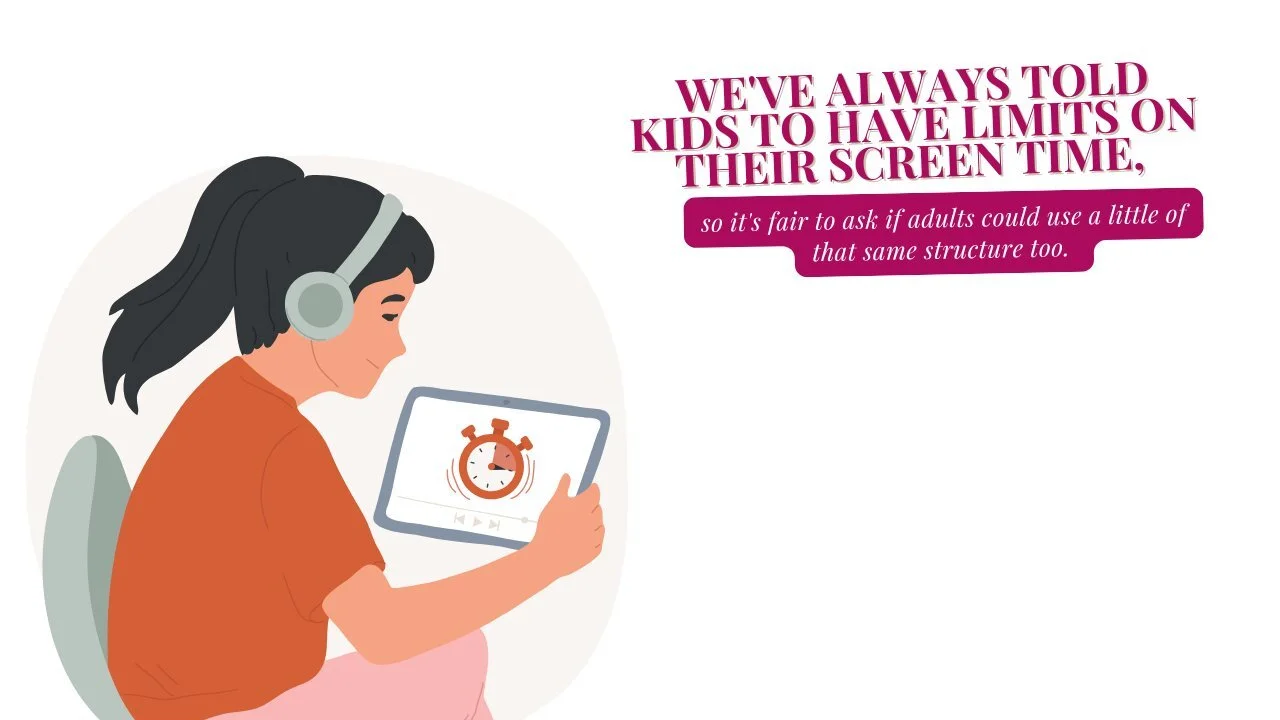
This same lens works for everything else too — constantly checking email, refreshing social feeds out of boredom, losing an hour to a mobile game. And TV isn't the enemy here either; curling up with a favorite show is a perfectly good way to unwind. The point isn't cutting screens out completely, it's watching or scrolling on purpose instead of by default. We've always told kids to have limits on their screen time, so it's fair to ask if adults could use a little of that same structure too. Once you start paying attention to where your time is actually going, you'll probably find you have way more room than you thought for the people and habits that make you feel like your best self.
One Easy Shift That Actually Cuts Down Screen Time
Here's some good news — cutting back on screen time doesn't mean quitting your favorite show cold turkey or deleting every app off your phone. The move that actually works for most people is way less dramatic: swap out a little bit of that time for something that genuinely does more for your health. Take a quick, honest look at how many hours you're spending on recreational screen use each day, and if it's a lot, don't panic or try to overhaul everything overnight. Just trim it down by 30 to 60 minutes and ask yourself the real question — what would I actually do with that time instead?
This is where the mindset shift matters more than people realize. Building better habits usually works best when you focus on what you're moving toward instead of what you're trying to quit. Rather than telling yourself "stop scrolling," flip it to "what could I be doing right now?" When your time is already filled with something worthwhile, there's just naturally less room left for mindless screen use to sneak back in. And there's genuinely no shortage of options here — a walk, a strength workout, some time in the garden, or cooking a solid meal (meal kits are a great low-pressure way to ease into that last one if the kitchen feels intimidating).
You could also dust off an old hobby or pick up something new — an instrument, a book, a craft project, anything that pulls your attention somewhere satisfying. Spending real time with the people (or pets) in your life counts too, whether that's playing with your kids or tossing a ball for your dog. The point was never to shrink your screen time for its own sake — it's about filling your day with things that actually add something to your life. Once that starts happening, you'll probably notice your screen time dropping on its own, not because you're forcing yourself to give something up, but because you're making room for things that genuinely make you feel better.

Try the 30/30 Rule to Break Up Long Periods of Sitting
If cutting back your screen time altogether feels like a lot right now, there's a much easier entry point — just move more while you're actually on your devices. Enter the 30/30 rule, which is exactly as simple as it sounds: for every 30 minutes you spend at your computer, watching TV, or scrolling your phone, get up and move for 30 seconds. Push that to a full 60 seconds if you can, but even the short version counts for something real.
It might feel almost too small to matter, but these little breaks genuinely add up. The whole point is breaking up long, uninterrupted stretches of sitting, which gives your body regular check-ins throughout the day instead of staying locked in one position for hours. And you don't need an actual workout to make it count — a handful of bodyweight squats, some wall push-ups, a quick trip up and down the stairs, a bathroom break, or just standing up to stretch all do the job. This isn't about intensity, it's purely about interrupting the sitting itself.
The trick to actually sticking with it is making it hard to forget, so setting a reminder on your phone, watch, or computer can help until it becomes second nature. And honestly, that's the whole takeaway — every little movement counts more than people give it credit for. Something as small as 30 to 60 seconds every half hour, done consistently, adds up over the course of a day without asking you to rearrange your entire schedule.
Keep Screens Out of Mealtimes
One of the easiest habits to build, hands down, is making mealtime a screen-free zone. Doesn't matter if you're eating with your family or on your own — try setting the phone aside, switching off the TV, and stepping away from your inbox while you eat. It's so tempting to knock out a few emails or scroll through your feed while you have lunch, but giving your meal your actual, full attention pays off way more than people expect.
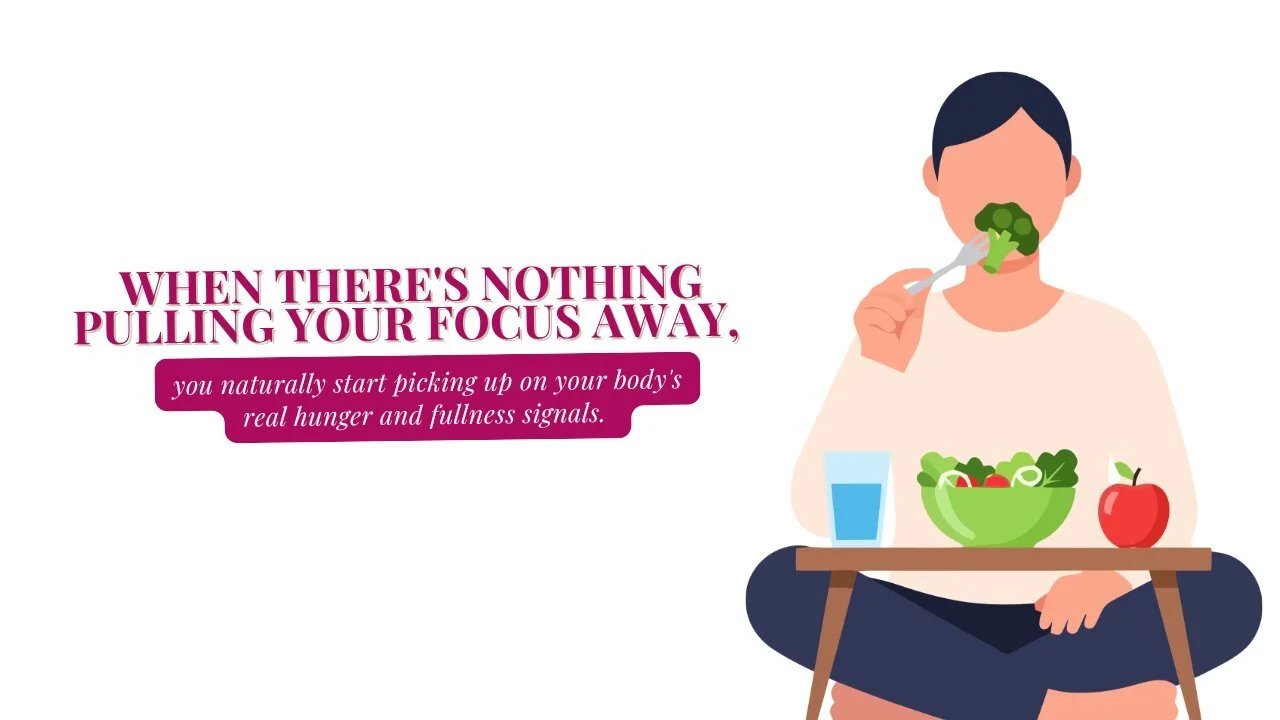
When there's nothing pulling your focus away, you naturally start picking up on your body's real hunger and fullness signals. That means you feel satisfied sooner, you actually taste and enjoy what you're eating, and you're way less likely to overdo it. Compare that to eating in front of the TV or your phone, where it's incredibly easy to blow past "full" without even clocking it, simply because your brain was somewhere else the whole time.
If you've got kids, screen-free meals are a great habit to model for them, but honestly this isn't just a family thing — even solo meals deserve the same treatment. Treating that time as an actual break from screens gives you a chance to be present with your food and, honestly, with yourself for a few minutes. And it's genuinely fine to pause your to-do list for that — eating doesn't have to be productive, it just has to nourish you. Making meals a screen-free habit is a small shift that can shape how you eat for the long run.
Set a Screen Curfew Before Bed
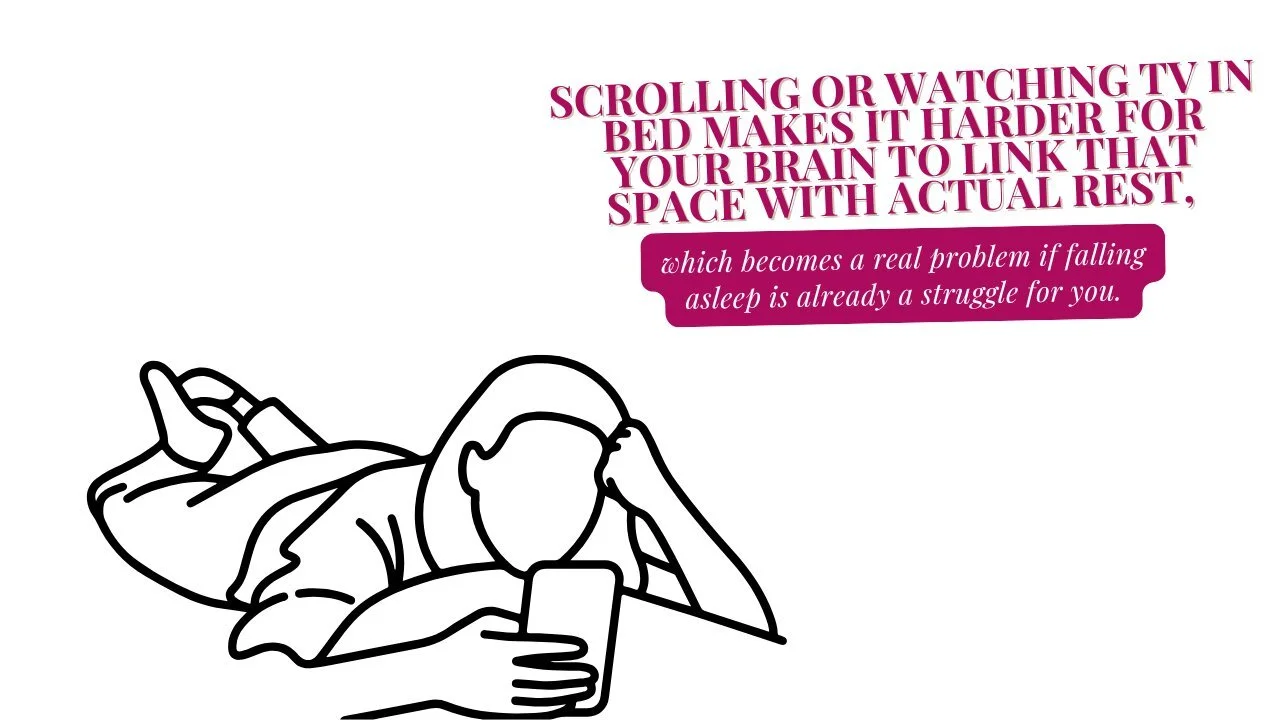
If there's one habit worth prioritizing for your health, it's giving yourself an actual screen curfew before bed. The target is at least 30 minutes of no phones, tablets, laptops, or TV before you go to sleep, and if you can stretch that to a full hour, even better. Giving your brain a real chance to disconnect from screens makes falling asleep easier and tends to bump up the quality of the sleep you're actually getting once you're out.
Where possible, try keeping screens out of the bedroom entirely. Scrolling or watching TV in bed makes it harder for your brain to link that space with actual rest, which becomes a real problem if falling asleep is already a struggle for you. A much better move is building a wind-down routine that has nothing to do with a screen — cracking open a book, taking a warm shower, sipping some herbal tea, doing a little gentle stretching, or spending a few quiet minutes meditating are all solid ways to signal to your body that it's time to slow down.
Now, not everyone can fully banish screens from their bedroom, and that's completely fine — the fallback is just picking a firm cutoff time and sticking to it. Once that curfew hits, devices go away and you shift into something calmer instead. This isn't about quitting screens for good, it's about drawing a clear line around when you actually use them. A consistent curfew like this can genuinely improve your sleep, dial down the overstimulation that builds up by the end of the day, and support both your physical and mental health in the long run.
Pair Screen Time With Movement
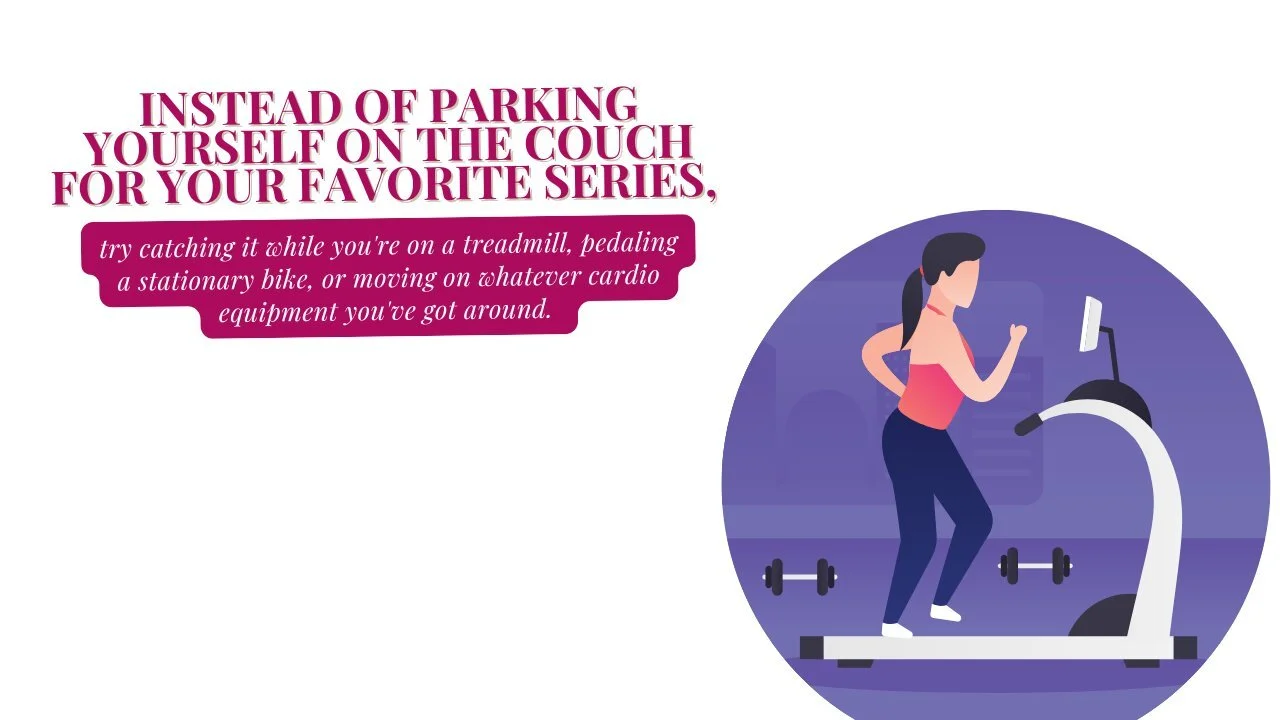
If a screen is going to be part of your day anyway, the smartest move is finding ways to sneak movement in alongside it. Depending on your job, that might look like taking calls while walking around the house, pacing during meetings instead of sitting through them, or setting up a treadmill desk or stationary bike for the hours you're working. None of it needs to be intense — even small amounts of movement layered into your day can seriously soften the effects of sitting for hours on end.
That same logic works just as well for the shows and content you actually watch for fun. Instead of parking yourself on the couch for your favorite series, try catching it while you're on a treadmill, pedaling a stationary bike, or moving on whatever cardio equipment you've got around. You still get to enjoy your entertainment fully — you're just stacking a little extra activity on top of it without it feeling like a chore.
You can even flip screen time into your own built-in motivation system. Pick a show, podcast, or audiobook you're genuinely into, and make it exclusive to your workouts — no watching or listening unless you're moving. That kind of built-in incentive makes it a lot easier to actually look forward to your next session instead of dreading it. None of this is about cutting screens out of your life; it's about being intentional with how you use them. Pairing screen time with movement whenever you can lets you enjoy the content you love while still doing something genuinely good for your body.
That's the full rundown — five ways screens can quietly work against your health, and five simple shifts that can help you take some of that control back. None of this requires cutting screens out of your life completely; it's about being a little more intentional with how they fit into your day, so they support your health instead of working against it. If you want the full conversation, with even more detail and practical tips on each of these, catch the full episode.
More from The Dr. Francavilla Show:
Subscribe to The Dr. Francavilla Show on